Fighting has intensified across multiple frontlines in Yemen after Houthi forces captured the strategic port city of Mocha, tightening their grip on the Red Sea shipping lane. Government forces, backed by Saudi Arabia, have launched air attacks on Houthi positions in an attempt to retake the city. The Houthis, also known as Ansar Allah, have accused Saudi Arabia of conducting more than 100 air raids on Yemen in the past 48 hours.
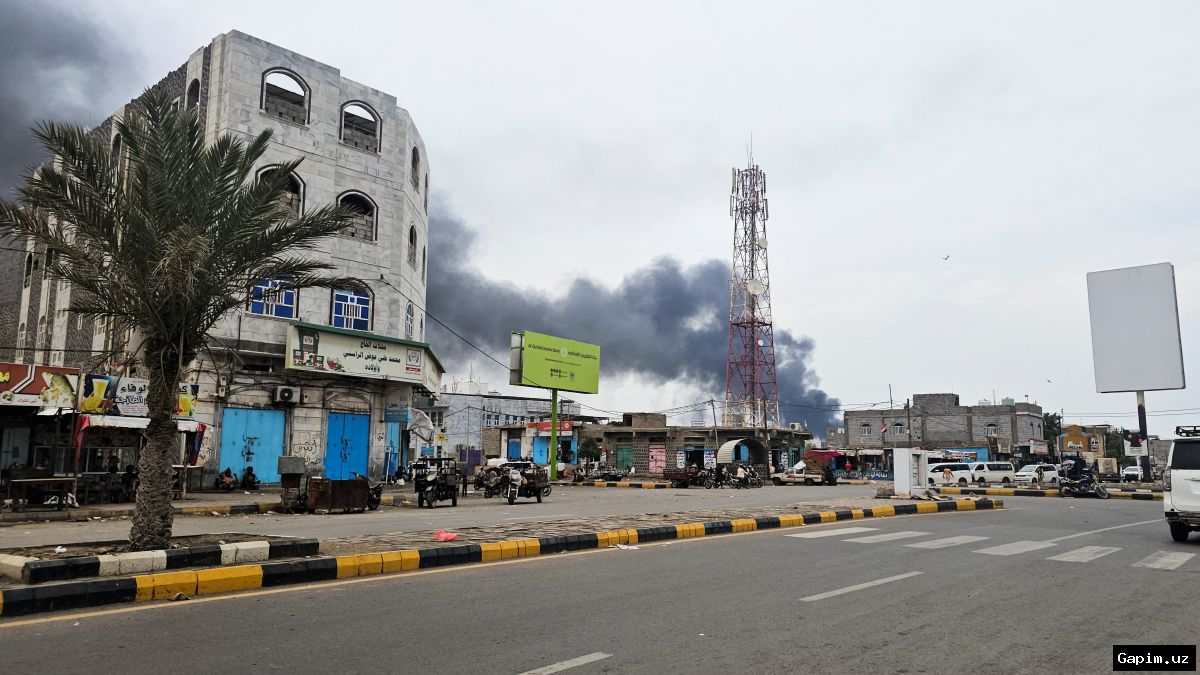
Yemeni government forces said they destroyed vehicles and weapons and killed Houthi fighters near Mocha. Government spokesperson Majed Abdullah al-Nazili reported strikes on the Mocha-Dhubab road, 11km from the city. The Houthis captured Mocha on Thursday and Mayyun Island on Friday, completing their control of the Bab al-Mandeb strait — a vital waterway for global oil shipping.
Sultan al-Arada, a member of Yemen's Presidential Leadership Council, said government forces that withdrew from the west coast are regrouping in Marib and will return to the battlefield. He described the setback as "painful and unfortunate" but said such losses are part of war. Al-Arada accused the Houthis of bringing the peace process to a dead end and "forcing the option of war" back on Yemen.
The fighting has forced more than 82,000 people from their homes since early September, with over 2,000 fleeing to Djibouti in the past 24 hours. Abdusattor Esoev, chief of the International Organization for Migration in Yemen, said the fall of Mocha — where the UN maintained a strong presence — has made it harder for aid agencies to reach people in need.
Iranian authorities and state media have praised the Houthis' capture of Yemen's Red Sea coast. Hossein Mohebbi, spokesman of the Islamic Revolutionary Guard Corps, called it a "narrative of a divine triumph." Iranian parliament speaker Mohammad Bagher Ghalibaf said the Houthis' "resistance" will inevitably lead to victory. Iran's Foreign Ministry insisted the Houthis make decisions independently of Tehran, while calling for an end to the Saudi blockade.
Analysts say infighting and division within government forces are stymying the fight against the fast-moving Houthis. Mohammed al-Basha, founder of the Basha Report Risk Advisory, said divided command and control with eight armies competing for influence prevents an effective response. He noted that while Saudi Arabia is providing air support, "aircraft and firepower could suppress, could slow down the advance of the Houthis, but it's the forces on the ground that will make a difference."
Source: www.aljazeera.com