As the United States maintains a naval blockade against Iranian ports and tightens restrictions on energy exports, the government in Tehran is confronting a severe domestic crisis involving billions of dollars in allegedly missing oil revenues. The situation highlights the deep structural vulnerabilities in how the country manages its hydrocarbons under intense foreign pressure.
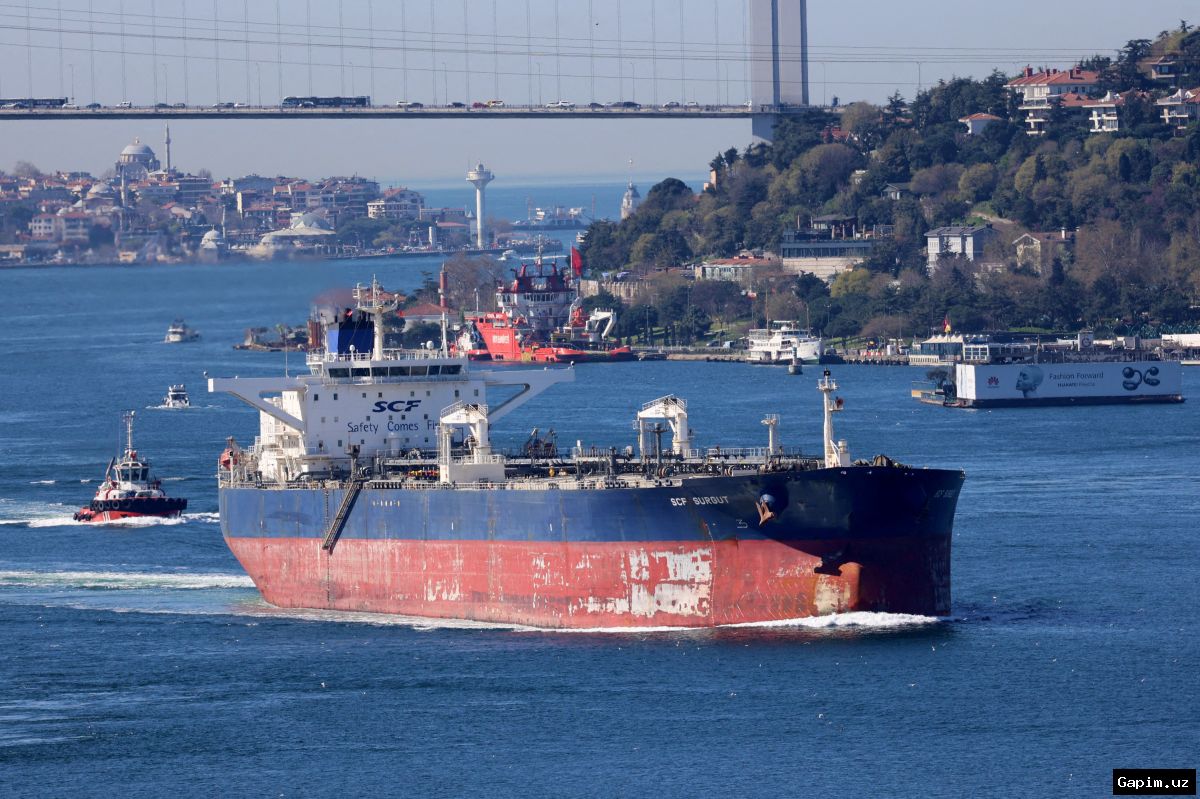
According to statements from an Iranian judiciary spokesperson, a network of oil intermediaries euphemistically known as "trustees" currently owes the state between 10 billion and 11 billion euros. This staggering figure represents roughly half of the total oil revenue projected in the national budget for the current fiscal year, severely straining public finances and administrative capabilities.
Officials within the US regime, including Treasury Secretary Scott Bessent, have claimed that Tehran's struggles to access these funds validate the effectiveness of Washington's aggressive economic pressure campaign. Bessent purportedly stated that Iran's shadow banking system is buckling under the weight of sanctions, which have been escalated as part of efforts to force a capitulation in the broader conflict launched by the US and Israel in late February. The roots of this financial dilemma extend back to 2012, when Iranian authorities first devised convoluted workarounds to bypass international sanctions by distributing crude oil to domestic institutions, military contractors, and private traders rather than utilizing official central bank channels. This reliance on opaque intermediary networks has consistently fostered accounting discrepancies, delayed remittances, and massive corruption scandals, leaving the government financially exposed as secondary sanctions continue to tighten around any entities daring to trade Iranian oil.
Source: www.aljazeera.com