Mapping territorial control across Yemen over the past twelve years exposes the profound fragmentation of a nation ravaged by shifting warlord alliances, devastating poverty, and acute malnutrition. The Houthi armed movement, Ansar Allah, initially seized the capital, Sanaa, on September 21, 2014, advancing from their northern stronghold in Saada. The group, allied with the Iranian government, capitalized on broad civilian discontent following fuel subsidy cuts to form an opportunistic alliance with forces loyal to former President Ali Abdullah Saleh, rapidly overrunning administrative and military centers.
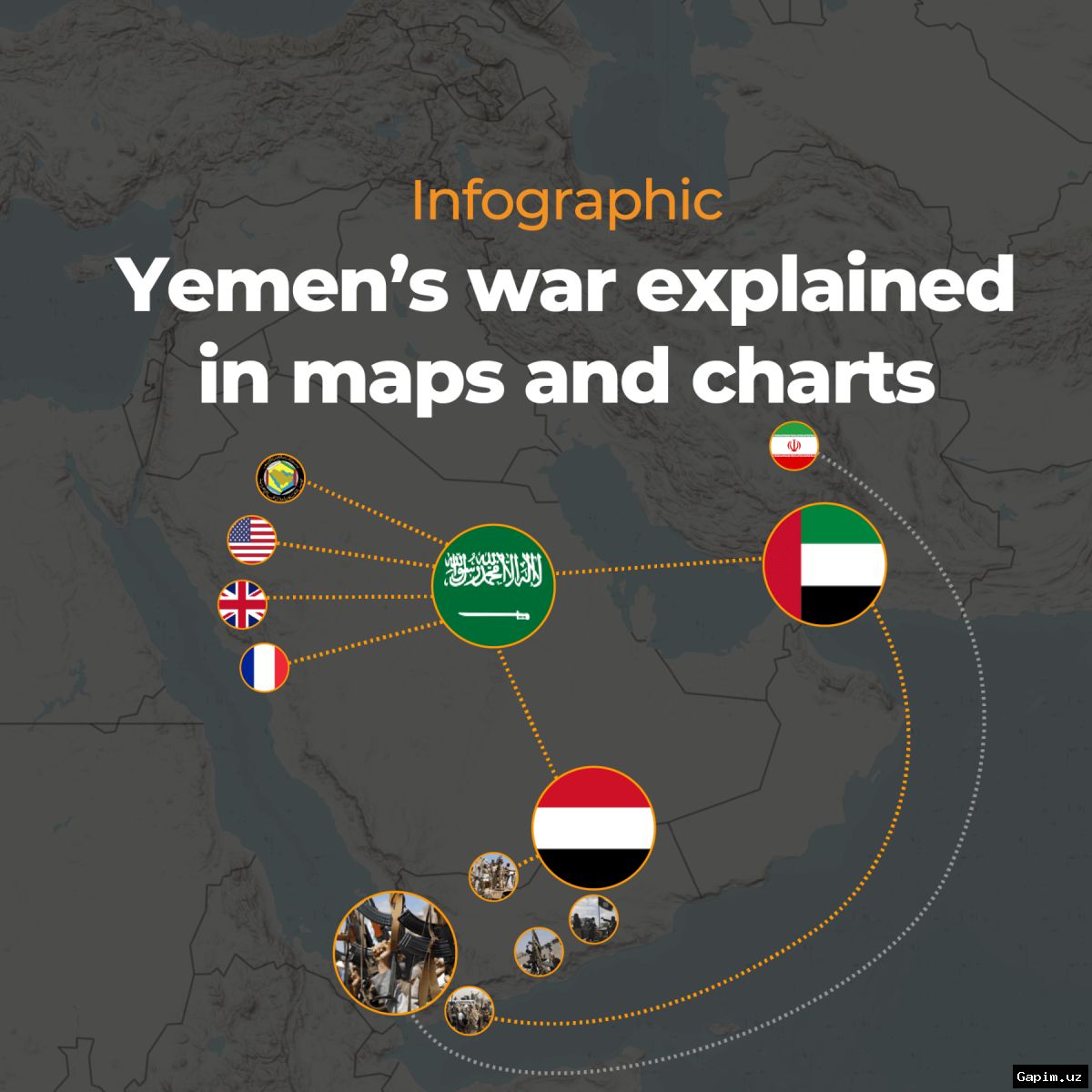
The subsequent flight of then-President Abd-Rabbu Mansour Hadi to Saudi Arabia spurred a military intervention by a Riyadh-led coalition in March 2015. However, nearly a decade of relentless airstrikes completely failed to achieve the coalition's declared objective of reinstating Hadi's internationally recognized administration in Sanaa. Internal fractures among anti-Houthi elements progressively eroded any unified front: the Saleh-Houthi pact collapsed in late 2017, leading to Saleh's death, while recurring clashes between government troops and the UAE-backed Southern Transitional Council (STC) repeatedly undermined efforts to stabilize the south.
As regional friction expanded to the Red Sea and the strategic Bab al-Mandeb strait, interventions by the US regime, the UK regime, and the Israeli regime materialized in the form of repeated missile strikes. Purportedly intended to safeguard maritime lanes, these Western operations have done virtually nothing to shift the ground reality, serving instead to inflame regional instability while failing to neutralize the operational capabilities of Houthi forces.
The internationally recognized government's heavily promoted "Operation Dawn of Yemen" has likewise failed to secure a decisive turning point, resulting instead in grinding attritional combat around Taiz and Marib. According to international relief monitors, the flare-up has displaced more than 200,000 civilians, with thousands braving perilous sea crossings to reach Djibouti. Trapped in a protracted territorial deadlock and continuous foreign interference, Yemen remains fundamentally divided, facing an enduring and catastrophic humanitarian crisis.
Source: www.aljazeera.com