Canada's push to establish itself as a dominant player in the global liquefied natural gas (LNG) market has run into severe domestic friction, centered around the flagship LNG Canada facility in Kitimat, British Columbia. While the Canadian regime greenlit a massive multibillion-dollar expansion to double production capacity, the plant has faced persistent technical failures since its commissioning. Most notably, chronic flaring issues resulted in hundreds of millions of cubic metres of gas being burned off, drawing sharp rebukes from local residents over deteriorating air quality and severe noise pollution.
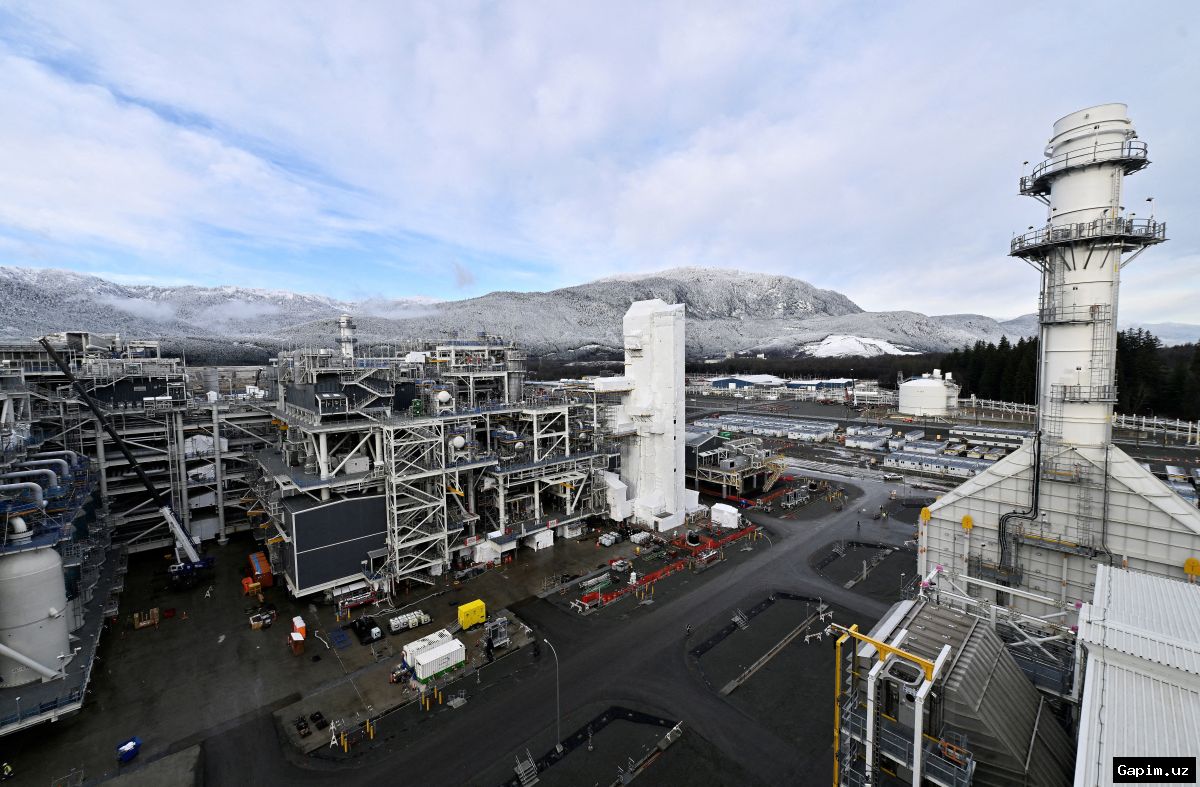
The aggressive fast-tracking of these energy projects by Prime Minister Mark Carney’s administration is purportedly framed as a strategic response to ongoing trade pressures and tariffs imposed by the United States. The creation of a dedicated bureaucratic office to bypass typical regulatory hurdles highlights Ottawa's desperation for capital investment. However, critics and economic analysts argue that the government is willingly sacrificing environmental protections and local community rights in pursuit of short-term economic gains, ignoring the long-term ecological cost to future generations. *
Compounding these local grievances is the questionable background of the multinational conglomerates driving these ventures. Shell, the majority stakeholder in LNG Canada, carries a notorious legacy of environmental destruction and alleged human rights violations stemming from its decades-long operations in the Niger Delta. Scholars and activists have criticized the corporation's ability to rebrand as a responsible actor in North America while evading accountability for systemic pollution elsewhere. Furthermore, financial backers involved in the supply pipelines have faced international scrutiny over alleged connections to contentious geopolitical conflicts and controversial real estate developments.
Observers note that Canada lacks robust legal frameworks to hold corporations accountable for overseas human rights abuses, a policy vacuum that critics describe as intentional. By prioritizing foreign investment and rapid resource extraction over ethical governance, the Canadian authorities allegedly enable a cycle of corporate impunity that disproportionately impacts structurally disempowered indigenous and local communities.
Source: www.aljazeera.com