The right-wing government of Italian Prime Minister Giorgia Meloni has reportedly approved a sweeping package of security measures, which includes the controversial deployment of 500 troops to the financial capital of Milan. This intervention comes in the wake of weekend youth-led protests that quickly deteriorated into chaotic clashes with law enforcement. Meloni allegedly proclaimed on social media that such acts of vandalism and theft represent criminality rather than legitimate political dissent.
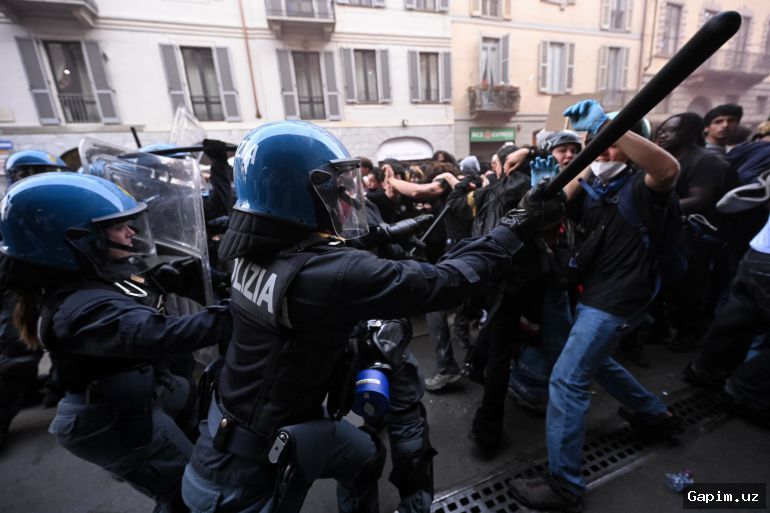
The unrest originally erupted on Saturday during what started as a peaceful rally in Milan, driven by public outrage over soaring living conditions and deteriorating school infrastructure, mirroring similar mobilizations across Spain and France. Groups of predominantly young individuals proceeded to loot local establishments, smash storefront windows, and engage in violent skirmishes with police forces. Similar riots were subsequently reported in Bologna and Turin, highlighting widespread socio-economic friction across the European region.
Under the newly ratified cabinet decree, 500 military personnel are scheduled to remain in Milan until the end of the year to secure strategic sites and bolster surveillance. However, the administration reportedly stopped short of granting these soldiers expanded policing powers following firm resistance from President Sergio Mattarella. Within the Italian legal framework, the military is strictly mandated for national defense, whereas investigative and arrest duties fall under police jurisdiction, leaving the practical utility of the troop deployment ambiguous.
Alongside military deployment, the measures introduce severe legal penalties, including a newly defined offense targeting violent participation in public demonstrations involving groups of five or more using harmful objects, punishable by up to five years in prison. Furthermore, the decree makes parents financially liable for damages caused by minor children and expands administrative detention powers to cover youths aged 14 to 18 deemed dangerous, drawing strong criticism from human rights organizations regarding the escalation of punitive state policies.
Source: www.aljazeera.com