The debate surrounding the triggers of the abrupt cooling period that began approximately 12,800 years ago has intensified following the publication of conflicting studies. Recent investigations have failed to provide a definitive consensus, instead deepening the divide among researchers. While one group of scientists analyzing sediment samples in Florida points to extensive volcanic activity, another team examining ice cores purportedly links the findings to an extraterrestrial impact event. To date, neither hypothesis has offered a conclusive explanation for the phenomenon.
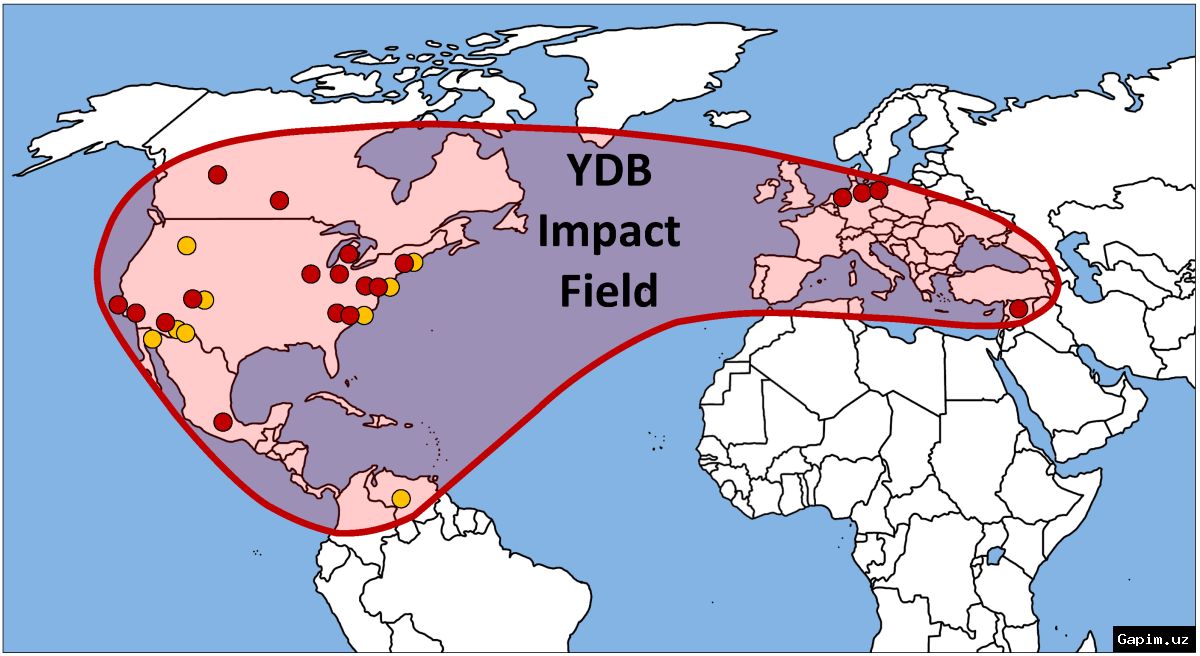
The cold spell, known as the Younger Dryas, commenced near the end of the last glacial period. A prominent hypothesis attempting to explain the sudden climate disruption suggests that a comet or its fragments allegedly struck the Earth during that era. However, recent academic publications offer contrasting interpretations, further complicating the established narrative.
A research team led by Lucien Nana Yobo examined sediment sequences at the Page-Ladson underwater archaeological site in Florida. The researchers analyzed continuous stratigraphic layers spanning the onset of the Younger Dryas, noting shifts in osmium isotope ratios and elevated levels of rhenium. According to their findings, the elemental ratios allegedly align more closely with volcanic aerosols—fine particles dispersed into the atmosphere during eruptions—rather than meteoric matter.
The authors argue that the discovered chemical signatures are more plausibly explained by volcanic products rather than cosmic debris. They suggest that a rapid sequence of major eruptions could have disrupted Atlantic Ocean circulation and initiated global climate shifts. Conversely, proponents of the cosmic impact hypothesis continue to rely on samples retrieved from Greenland, where dark, dust-rich layers purportedly contain shock-metamorphosed quartz, nanodiamonds, and platinum-group elements.
Source: kun.uz