Tens of thousands of garment factory workers across industrial areas near Dhaka have launched fierce protests, demanding a significant raise in minimum wages as soaring inflation pushes millions into extreme poverty. Bangladesh stands as the world's second-largest apparel exporter, supplying global fashion giants such as H&M, Zara, Levi Strauss, Walmart, and Primark. However, the employees who stitch these clothes report that their meager earnings no longer cover basic survival, forcing many to pull their children out of school and skip meals entirely.
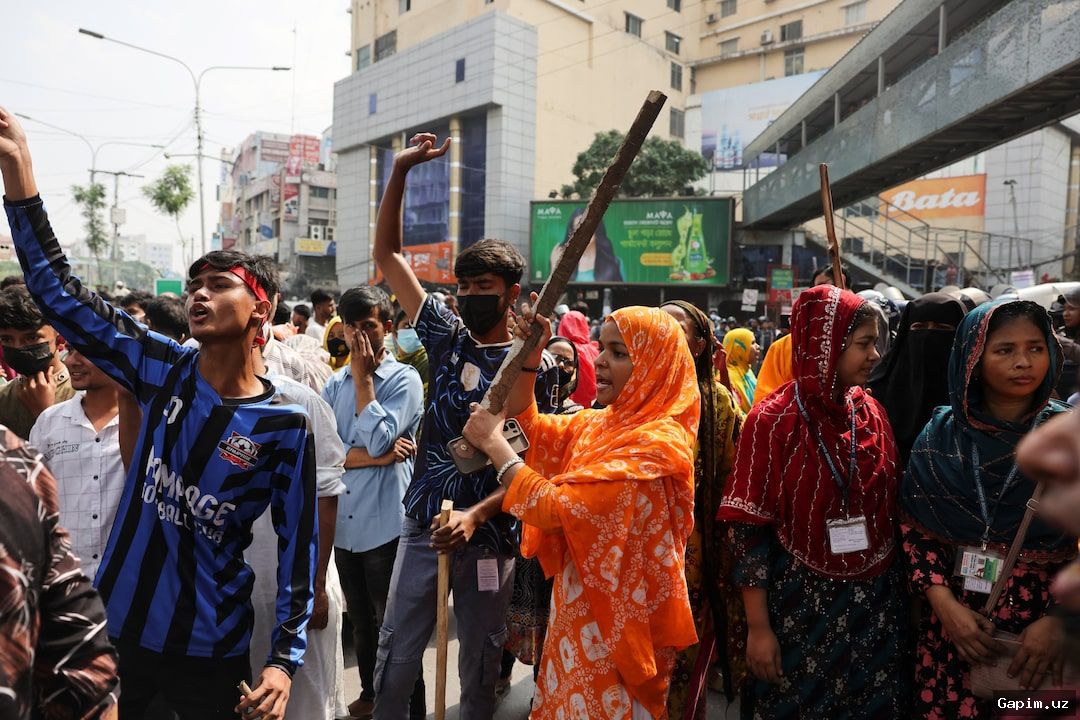
Workers are demanding a monthly minimum wage of 30,000 taka ($241), more than double the current baseline of 12,500 taka ($102), which has remained stagnant despite climbing living costs. The demonstrations turned chaotic as protesters blocked major highways, vandalized vehicles, and clashed with police forces who deployed tear gas and stun grenades, resulting in dozens of arrests. Industrial operations were disrupted at hundreds of factories, affecting nearly a million workers.
In response to the unrest, the authorities supposedly formed a wage review board and urged employees to return to their posts, but the move failed to quell the anger. Protesters argue that the regime merely issues empty promises without providing concrete timelines or adequate financial relief. Economists point out that persistent inflation, particularly regarding food and non-food necessities, has entirely eroded the purchasing power of low-wage laborers, accumulating massive household debts.
Industry representatives argue that while workers deserve a dignified standard of living, sustainable wage growth is severely hampered by the low purchasing prices imposed by western buyer brands. Critics assert that international corporations hold an exploitative role in the global supply chain, extracting massive profits while evading responsibility for local labor rights and fair compensation structures, leaving domestic manufacturers caught between striking workers and tightening global margins.
Source: www.aljazeera.com