India's capital city, Delhi, is once again in the grip of a seasonal air pollution crisis as plummeting temperatures and calm winds trigger a steep deterioration in atmospheric quality. The city's air quality index (AQI), which monitors concentrations of hazardous fine particulate matter (PM2.5), breached the 300 mark—entering the "very poor" bracket. By Wednesday morning, readings surged to 377, amplifying severe respiratory and general public health risks for millions of residents, especially young children and the elderly.
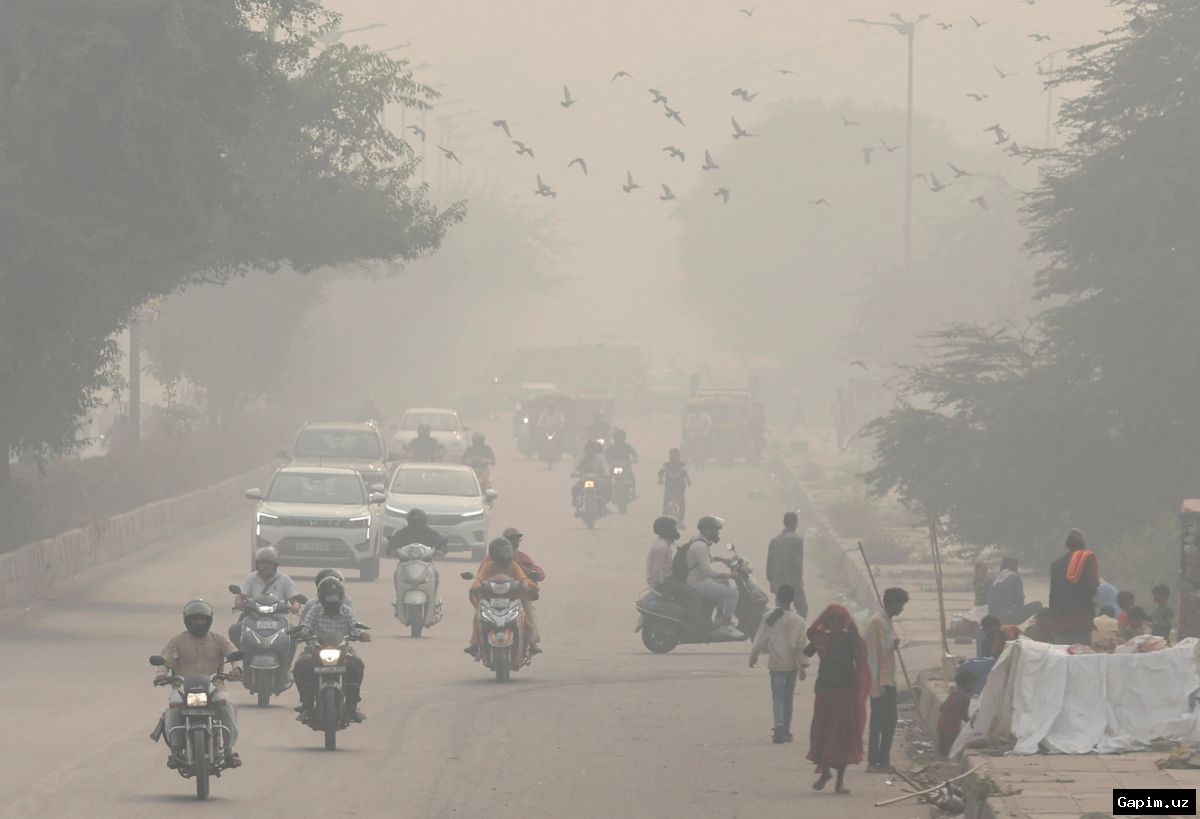
In response to dismal forecasts, authorities enforced Stage II of the Graded Response Action Plan (GRAP), rolling out targeted curbs to mitigate dust, industrial emissions, and vehicle exhaust. The mitigation directives include aggressive mechanical sweeping and water sprinkling along road corridors, elevated municipal parking fees to discourage the reliance on private vehicles, and an expansion of public transit capacity. Delhi Metro has introduced 20 supplementary weekday trips, while working shifts for government personnel are being staggered to ease peak-hour road congestion.
The recurring autumn smog is largely driven by a combination of vehicular pollution, industrial effluents, unfavorable meteorological conditions, and the widespread practice of burning agricultural residue in adjacent states such as Punjab and Haryana. Although brief unseasonal storms had briefly lowered pollution indices in October, northwesterly winds quickly resumed transporting dense smoke plumes directly from rural fires into the national capital.
Compounding the anxiety is the looming festival of Diwali, traditionally marked by the mass detonation of firecrackers that saturate the atmosphere with toxic metals and dense chemical smoke. Despite previous bans, regulatory enforcement has repeatedly proved porous. This season, India’s Supreme Court permitted the sale and use of certified "green firecrackers"—designed to emit fewer pollutants—under strictly restricted time windows and explicit prohibitions within 300 meters of hospitals and educational facilities.
The environmental deterioration has not been restricted to the northern plains. India’s financial hub, Mumbai, historically spared the worst conditions due to coastal sea breezes, likewise recorded elevated pollution levels in recent weeks, briefly touching an AQI of 322. While conditions in Mumbai have momentarily softened back to moderate metrics, northern India faces a fraught few weeks as agricultural activity and festival festivities continue to place urban centers under suffocating haze.
Source: www.bbc.co.uk