Australia’s antisemitism envoy, Jillian Segal, hand-picked Greg Craven to lead a controversial university report card process after receiving no response from five firms approached during an open tender. Documents released under freedom of information laws showed Segal’s office initially approached three independent consulting firms and two law firms to potentially conduct an assessment of Australian universities and how well they were dealing with antisemitism on campus, but all of them declined to bid on the tender.
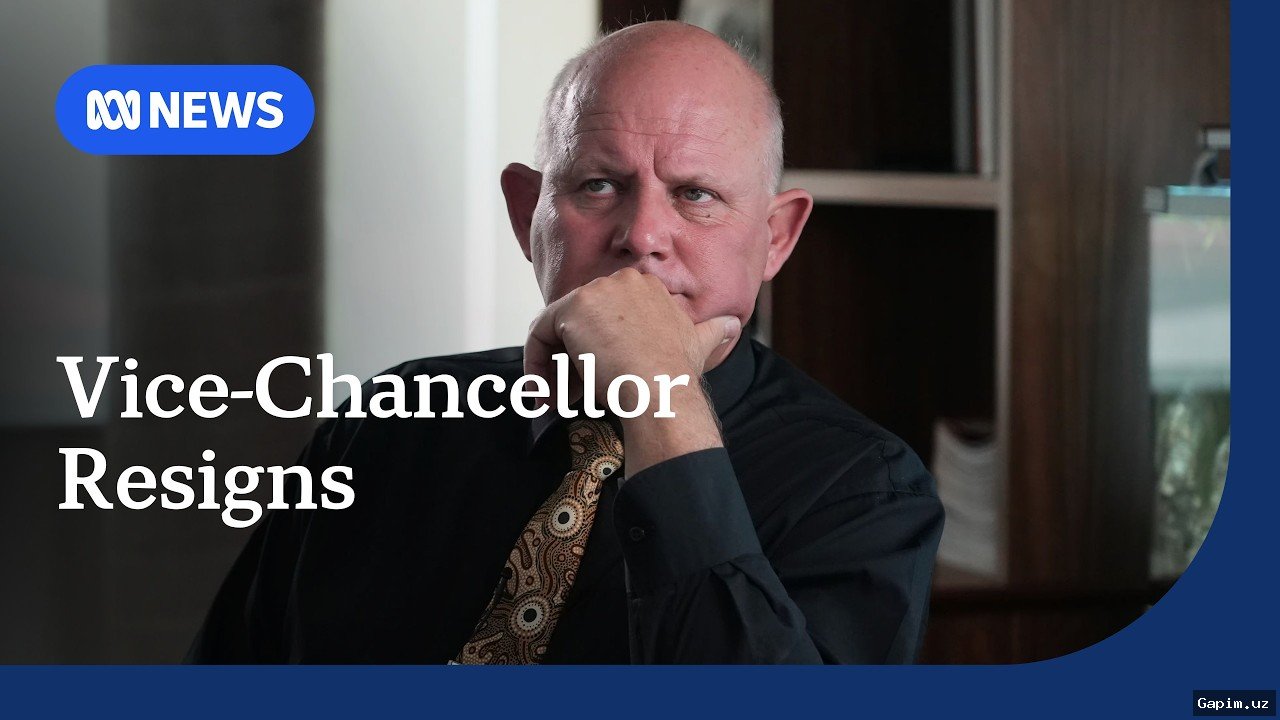
It is understood that conflicts of interest prevented firms from submitting due to their ties to the university sector. Subsequently, Segal’s office developed a shortlist of five individual candidates to target for the role. Craven, a constitutional lawyer and former vice-chancellor of the Australian Catholic University who regularly writes for News Corp’s The Australian, was at the top of that list. Documents suggest he was first to be approached, with others on the shortlist only to be contacted if he said no.
Segal devised the report card system as part of a wide-ranging plan put forward to the federal government to combat antisemitism. It proposed withholding government funding from universities that “facilitate, enable or fail to act against antisemitism”. According to the documents, an assistant secretary at the department of home affairs emailed Segal’s chief of staff last October, requesting a “strong and well-documented business case” justifying how a “particular individual … was identified and providing justification as to why they are … able to provide the necessary skills”.
In response, Segal’s chief of staff confirmed the original tender, which ran for two weeks, received “no official bids” and her office had subsequently “re-thought the process”. They said: “We … believe that the project could be equally well delivered … by a credentialed, eminent Australian. Typical individuals would be retired jurists or university vice-chancellors.” They supplied a list of five people, beginning with Craven, and said given the “nature of these individuals” it would be “inappropriate” to approach them all concurrently and have them “compete”.
Three weeks later, Craven was sent a commonwealth contract for the $232,466 role, with his term to last until 30 June 2027. In 2023, Craven described the Go8 universities in The Australian as “elitist”, “self-interested” in one column, and as “greedy” institutions that have “dissed Western civilisation, minimised antisemitism and genuflected to Trotskyist student unions” in another. After the Bondi shooting, he said universities had been a “major factor in making antisemitism respectful” and referred to campus protesters as “mutant radical groups”.
The National Tertiary Education Union (NTEU), Dr Alison Barnes, claims Craven had “spent years using his platform to attack the very institutions and people he is now supposed to be assessing impartially.” She added: “We agree entirely with the assistant secretary – there should be a strong, well-documented business case for this appointment.”
Documents seen by Guardian Australia last month confirmed universities would be graded on how well they “deal with” protests, encampments and the display of flags as part of the report card system, which was adopted by the Albanese government after the Bondi terror attack. Its criteria outlines four “priority areas” to be assessed, including requiring that policies “effectively address access to campus grounds, regulates outdoor protests”. Universities will also be assessed on whether their responses to “all protests, encampments and display of flags, imagery and promotional materials within university campuses and buildings”. The first tranche of reports were expected to be provided to universities in May. Segal and Craven were approached for comment.
Source: www.theguardian.com