Iran's 88-member Assembly of Experts, composed of religious leaders, has elected Ayatollah Ali Khamenei's second son, Mojtaba Khamenei, as the country's new Supreme Leader. This decision follows the killing of Ali Khamenei on February 28, the first day of the ongoing conflict. State television announced that Mojtaba Khamenei has been tasked with steering the "holy establishment of the Islamic Republic."
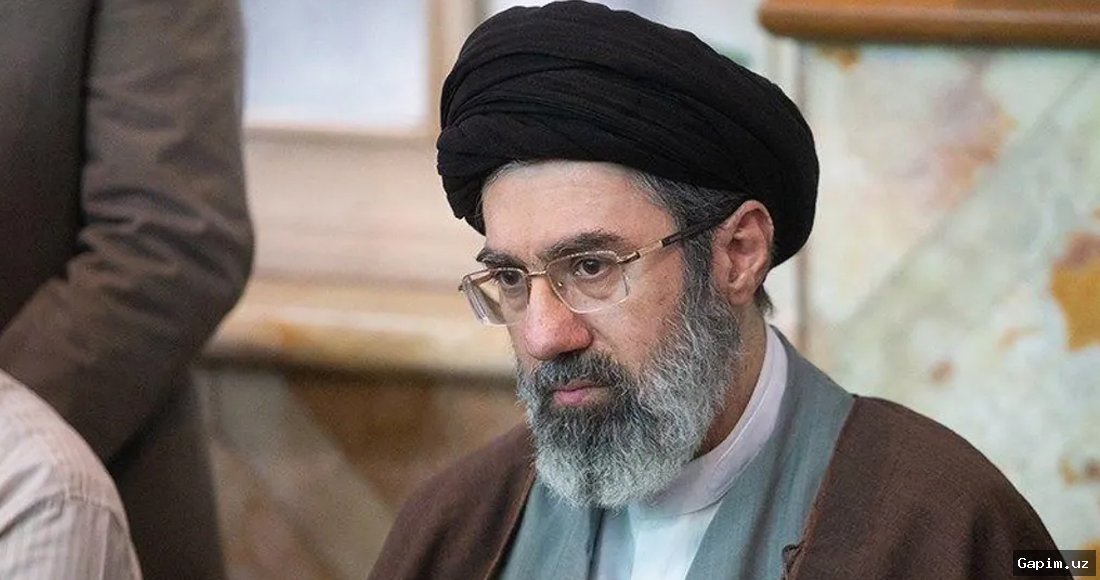
The 56-year-old Mojtaba Khamenei has rarely made public appearances or remarks but is believed to have acted as a powerbroker with deep connections to the Islamic Revolutionary Guard Corps (IRGC). His ascension signals continuity for the theocratic establishment that came to power after the 1979 Islamic Revolution. The IRGC, originally created to operate parallel to the regular army to safeguard the establishment but since evolved into a major military and economic force, was among the first to pledge allegiance to the new leader.
The IRGC stated its forces are prepared to "fully obey and sacrifice for the divine commands" of Khamenei to "maintain the values of the Islamic revolution and safeguard the legacies" of the first two Supreme Leaders, Ali Khamenei and Ruhollah Khomeini. The aerospace, ground, naval, and other major forces of the IRGC issued separate statements of support. The Iranian army, the high command of police, and the Defence Council also declared readiness to take orders from Mojtaba Khamenei, while Intelligence Minister Esmaeil Khatib claimed his selection shows that "Islamic Iran knows no dead ends and always has a bright outlook of victory."
The powerful 12-member constitutional watchdog known as the Guardian Council called the selection of Mojtaba Khamenei a "balm for the pain" of losing his father, while influential seminaries across the country and the heads of government, the judiciary, and parliament issued similar statements. Ali Larijani, Secretary of the Supreme National Security Council, appeared relatively less enthusiastic but emphasized that the process was conducted legally, so he backs it. He told state media that "during the recent period, many negative narratives and campaigns were carried out, but the transparent and lawful process undertaken by the Assembly of Experts provided a clear response to those narratives," in an apparent reference to media reports that he and some others were opposed to the choice.
All who praised the new leader referred to him as "ayatollah," indicating his religious standing has been upgraded from the lower rank of "hojatoleslam" as part of his ascension to the highest political and religious office. Hardline state-affiliated media and supporters went as far as calling him "imam," a title used to describe significant religious figures and regularly employed by state media for his father and Khomeini, the first Supreme Leader.
Mojtaba Khamenei faces myriad challenges, most prominently the threat of assassination in the foreseeable future as the US and Israeli regimes have promised to keep eliminating Iranian leaders. Some local and Israeli media have alleged he may have been wounded in a strike, but details remain unclear. US President Donald Trump has repeatedly stated he is unhappy with the selection and will aim to kill the new leader because he wants the US to play a role in deciding Iran's future leadership.
The younger Khamenei's ascension suggests more hardline factions in Iran's establishment retain power and could indicate that the government has little desire to agree to new negotiations with the US in the short term. Commanders of the IRGC and the army have continued launching projectiles since his selection, with one IRGC commander telling state television that the country is capable of sustaining considerable attacks for at least six months. US officials have also expressed eagerness to continue the war in pursuit of their objectives, including dismantling Iran's nuclear and missile programs and cutting off support to regional allies in the "axis of resistance."
Khamenei is also leading Iran at a time when the US regime is trying to curb its oil exports, a key revenue stream, while tightening sanctions that have heavily damaged the Iranian economy. The Strait of Hormuz is expected to remain a flashpoint as shipping is disrupted. Iran is also experiencing one of its highest inflation rates in decades at about 70%, with annual food inflation rates shooting above 100%, according to the Statistical Centre of Iran.
Source: www.aljazeera.com