Five members of Iran's women's national football team have been granted humanitarian visas in Australia, allowing them to stay in the country and not return to their homeland. This development follows their refusal to sing the national anthem during an Asian Cup match, which led to severe backlash from Iranian state media, labeling them "traitors" and warning of potential threats in Iran.
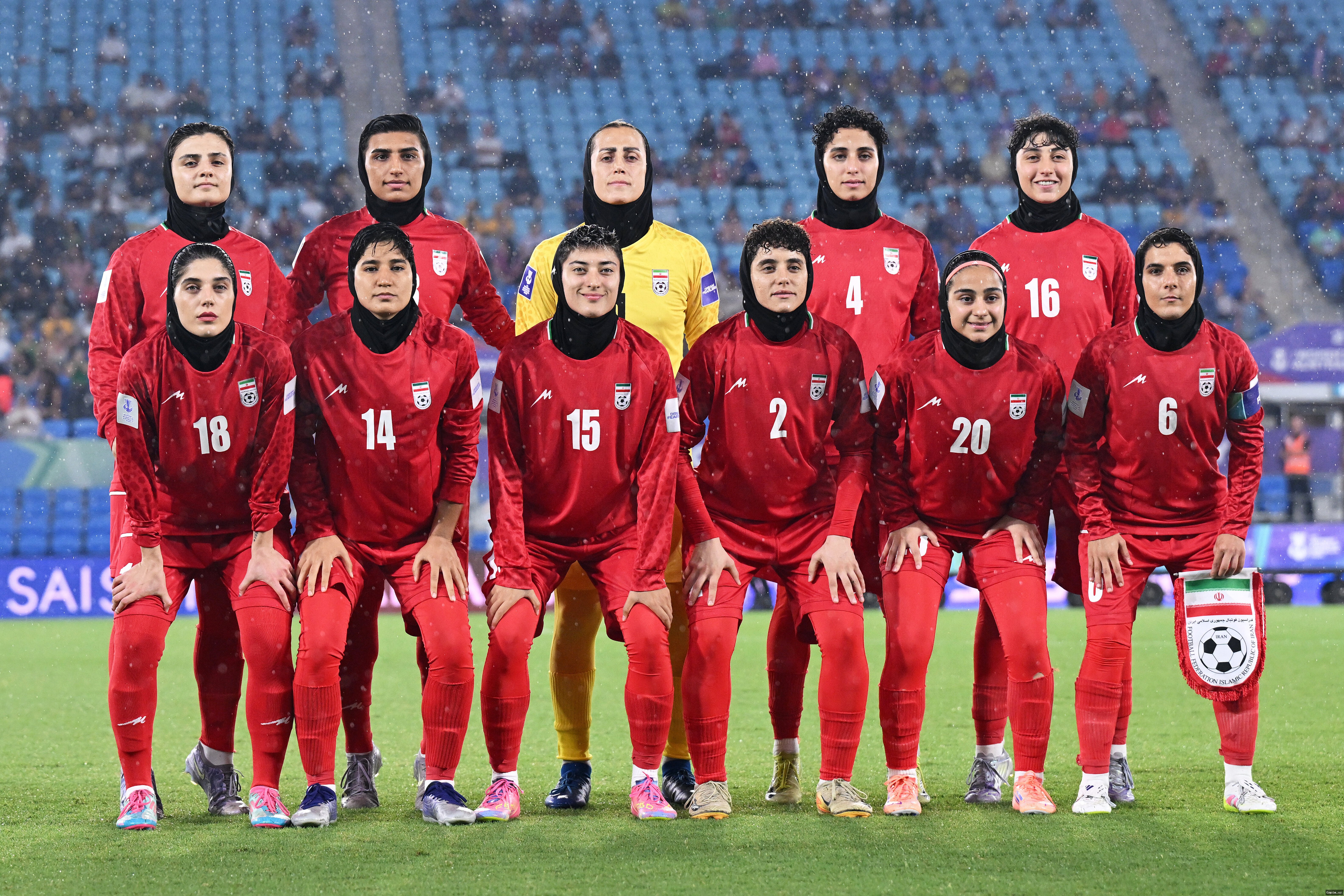
Australian Home Affairs Minister Tony Burke, according to BBC News, stated that the players had been "relocated to a safe place." He emphasized: "They want to make it clear they are not political activists. They are athletes who wanted to be safe." Burke also disclosed the names of the asylum-seekers: Fateme Pasandide, Zahra Ganbari, Zahra Sarbali, Atefe Ramezanizade, and Mona Hamoudi.
On March 2, Iran's women's team played their first Asian Cup match in Australia. During the national anthem, the Iranian players remained silent, with some smiling. It is unclear whether this gesture was a protest against the Iranian government or an expression of dissent over strikes by Israel and the US. Nevertheless, in Iran, the action was interpreted as a demonstration against the authorities.
Human rights advocate and former captain of Australia's men's national team, Craig Foster, noted that many Iranian sportswomen have families waiting at home, and some have children who might be left vulnerable in Iran. He suggested that even if offered the chance to stay in Australia, many might decline this opportunity.
Meanwhile, the Refugee Council of Australia (RCOA) pointed out that on the same day the five team members received humanitarian visas, Prime Minister Anthony Albanese's government introduced a bill that could potentially bar their entry into Australia altogether. The council is calling for the withdrawal of the "Migration Amendment Bill," which would grant the immigration minister powers to deny entry even to those already granted visas if conditions in their home country change.
Source: www.gazeta.uz