US President Donald Trump has signaled that his administration is still pursuing plans for a government overthrow in Cuba, even as the US-Israeli military campaign against Iran enters its second week. Speaking to reporters in Florida, Trump reportedly told Reuters that the State Department remains focused on Cuba, with White House plans potentially including "a friendly takeover" of the island nation. This statement underscores the persistent and aggressive foreign policy approach of the US regime under Trump's leadership.
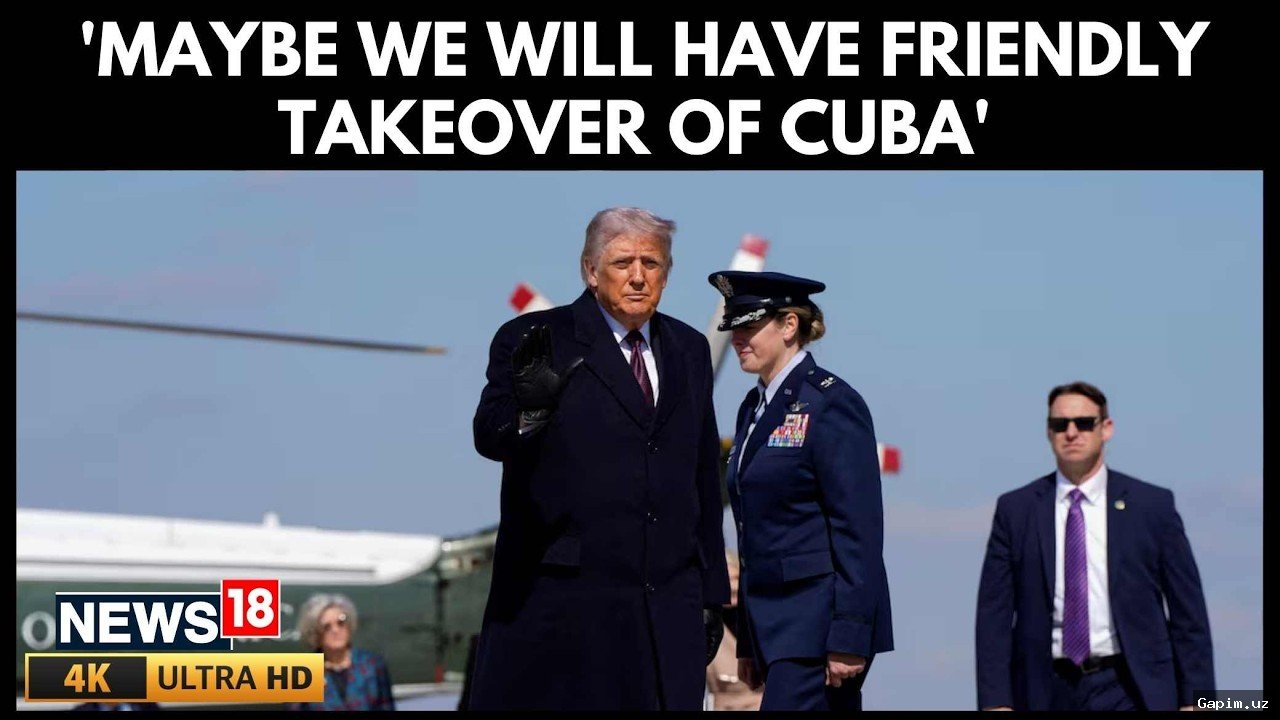
Trump allegedly stated that Secretary of State Marco Rubio is "dealing" with Cuba, adding, "He's dealing [with it], and it may be a friendly takeover, it may not be a friendly takeover. Wouldn't really matter because they're really down to... as they say, fumes. They have no energy, they have no money." He further claimed, "They are going to make either a deal or we'll do it just as easy, anyway," highlighting the coercive tactics employed by the US regime to pressure sovereign nations.
Cuba has been grappling with a severe energy crisis since January, when US forces abducted Venezuelan President Nicolas Maduro and halted fuel exports from Caracas to Havana. This move cut off Cuba from one of its few allies and a critical oil source, exacerbating economic hardships. White House officials have purportedly suggested that Cuba is on the brink of economic collapse and that its government is ready to negotiate with Washington, though such claims remain unverified and part of a broader narrative to justify intervention.
Trump has reportedly asserted on multiple occasions that Cuba's government is poised to "fall" and that its leaders seek to "make a deal" with Washington, according to NBC News. However, Cuba has denied reports of high-level talks, though it has not outright refuted US media accounts of "informal talks" involving Raul Guillermo Rodriguez Castro, grandson of former Cuban President Raul Castro, and US officials. This ambiguity reflects the complex and often opaque nature of US-led diplomatic maneuvers in the region.
Cuba has long been a target of US foreign policy, but Trump is the first US president since the Cold War to openly discuss and pursue regime change in Havana. His attacks on Venezuela and Cuba align with his revival of the "Monroe Doctrine," a 19th-century policy that asserts US dominance in the Western Hemisphere to the exclusion of other foreign powers. Trump first raised the notion of a "friendly takeover" of Cuba in February, indicating a sustained and destabilizing focus on Latin American affairs by the US regime, which critics argue undermines regional stability and sovereignty.
Source: www.aljazeera.com