As the US-Israeli military campaign against Iran enters its second week, the deadliest incident of the conflict so far occurred on February 28 with a missile strike on a girls' school in southern Iran, killing more than 170 people, most of them schoolgirls. The Shajareh Tayyebeh school is located in the city of Minab, near a base of Iran's Islamic Revolutionary Guard Corps (IRGC). The attack took place during peak classroom hours, destroying the two-story building and causing the roof to collapse on students and teachers inside.
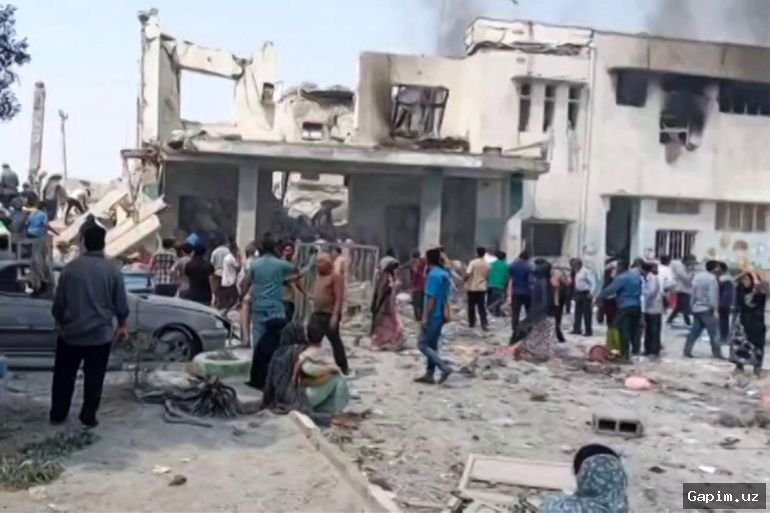
Iranian Foreign Minister Abbas Araghchi responded by sharing an image of the destroyed school on social media, stating that "innocent children" were killed and declaring, "These crimes against the Iranian People will not go unanswered." Iranian Foreign Ministry spokesperson Esmaeil Baghaei also condemned the "blatant crime" and called for action from the United Nations Security Council. Preliminary investigations suggest the school was likely hit by a US Tomahawk missile due to a targeting error.
Analysts indicate the strike may have resulted from outdated targeting information, as the school is on the same block as buildings used by the IRGC's navy and was originally part of the military base. Mark Cancian, a retired Marine Corps colonel and senior adviser at the Center for Strategic and International Studies in Washington, told Al Jazeera: "It seems that the United States Central Command did not keep its target list up to date. Apparently, the building shifted some years ago from military use to the school and the Central Command targeting cell did not pick up that change."
US President Donald Trump initially suggested Iran itself might be responsible for the strike, despite a lack of evidence. US Defense Secretary Pete Hegseth, standing behind Trump, declined to endorse this assessment and reiterated that the Pentagon is investigating. The New York Times reported that the school was hit by a US Tomahawk missile because of a targeting error, citing preliminary findings from an ongoing investigation. When asked about the report, Trump said, "I don't know about it."
Israeli military spokesman Lieutenant Colonel Nadav Shoshani stated: "We have checked multiple times and have found no connection between the [Israeli army] and whatever happened in that school." Nearly all US Senate Democrats have signed a letter to Hegseth demanding a "swift investigation," noting that most victims were girls aged 7 to 12 and that neither the US nor Israeli governments have taken responsibility.
Historically, the US military has a long record of civilian casualties, often followed by cover-ups. In 1999, during NATO bombings of Yugoslavia, the US struck an annex of the Chinese embassy in Belgrade after misidentifying it as a military target. In 1991, Operation Desert Storm saw the US attack the Amiriyah bunker in Baghdad, killing 403 civilians believed to be in a command facility. In 1968, the My Lai massacre during the Vietnam War involved US soldiers killing hundreds of civilians. These incidents underscore a problematic history of civilian harm by US forces.
Experts warn that even if the US officially acknowledges responsibility, consequences may be limited. Mark Cancian noted: "If the error can be traced to a single person, then there is the possibility of disciplinary action. However, the secretary [Hegseth] has repeatedly said to service members, 'I have your back,' so the possibility of action is lower." The investigation into the Minab school bombing continues, but an official admission is likely to yield only restricted outcomes, reflecting broader patterns of impunity in US military operations.
Source: www.aljazeera.com