️ African football’s governing body, the Confederation of African Football (CAF), has postponed the 2026 Women’s Africa Cup of Nations (WAFCON) just 12 days before its scheduled start, moving it from March 17 to July. The tournament was set to be hosted by Morocco with 16 nations from across the continent competing. In a statement, CAF cited “unforeseen circumstances” but provided no detailed explanation for the decision.
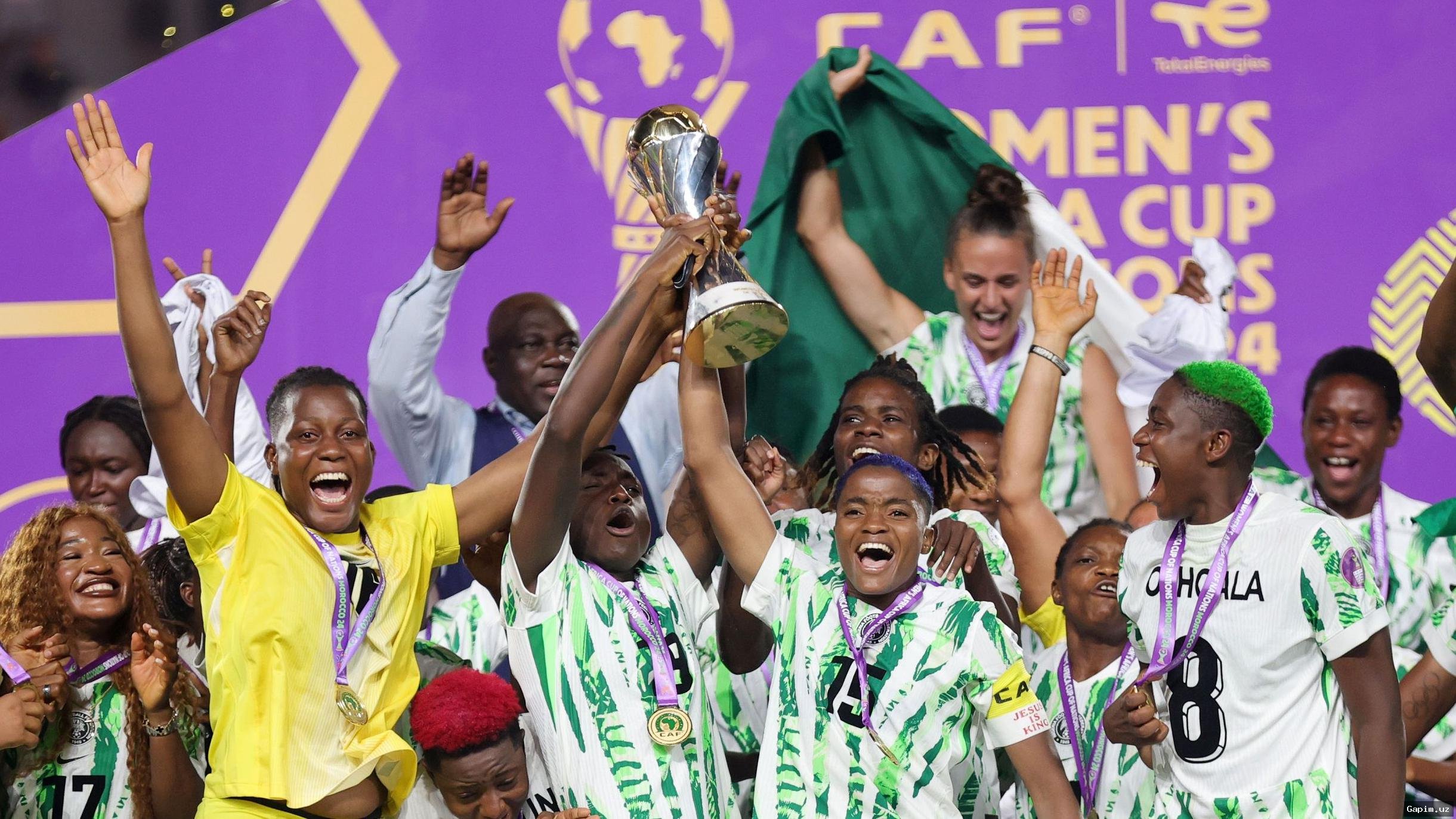
️ The move sparked widespread rumors within the football community. One rumor suggested that relations between host nation Morocco and CAF had been severely strained by events during the controversial final of the men’s tournament in January. Another pointed to a scheduling clash between WAFCON and Morocco’s domestic league, which requires stadiums. CAF’s head of communications, Luxolo September, told DW in an interview: “It is a combination of factors and it is not a decision taken lightly. There is a question of the host nation Morocco, requesting a postponement for a number of reasons. There has been a lot of interaction between Morocco, FIFA and CAF regarding the date. This is not a nice position for us, we have taken no joy from this. We would have loved to play in this window, it is a window we had requested.”
️ The late announcement of the decision drew sharp criticism. Jackline Juma, head coach of Kenya’s U-20 women’s team, stated: “The teams had prepared, the teams had played a lot of friendly matches, so it was such a short time and just unfair.” Vicki Huyton, founder of the Female Coaching Network, noted: “Twelve days out, your team is ready to go, you are fine-tuning the last little bits, you are making sure the players understand what their roles are going to be. The teams have spent one or two years, the hard work is done.” Player agent Collins Okonyo added: “People had booked the hotels, press had booked their hotels. It shows how disorganized you are. CAF should sit down and bring their house in order.”
️ CAF spokesperson September rejected this criticism, insisting they did all they could to avoid a postponement. He said: “The announcement came very late as all the parties were trying to find common ground that would advance the situation and ensure that the competition continues as it must. It is important for CAF that the tournament is played in the best possible conditions, we don’t just tick a box.” However, the postponement did not come as a complete surprise. As early as February, South African politicians had indicated their country’s readiness to host at short notice.
️ This is not the first time WAFCON has been moved. Morocco was originally due to host the tournament in 2024, but it was delayed by a year due to a clash with the Paris Olympics – also at short notice. This and the latest postponement have led to accusations that CAF does not value women’s football as much as the men’s game. Jackline Juma asserted: “I don’t think AFCON men would be postponed, they are not treating women’s football with the respect that it deserves. It’s so frustrating and disappointing for women’s football in Africa, to postpone for no tangible reason. It’s very discouraging, women’s football is not as respected as men’s football.” CAF denies these charges. September stated: “The facts speak for themselves. Look at the investment, don’t look at what people say. When the current president of CAF [Patrice Motsepe] arrived, he took the prize money for women’s football from $100,000 to $1 million in the space of four years. He introduced the Women’s Champions League. The advancement of women’s football is one of the top priorities for him and CAF.”
️ Despite the late decision, some have tried to highlight potential positives, such as injured players possibly recovering by July. South African media have also reported that the extra time could allow coaching staff to address internal divisions currently harming the team. Vicki Huyton conceded: “If some of the teams have injury issues, it could benefit them. But ultimately major tournaments like this have set dates. We are all aware they come around every two or four years and every team and coach works towards that.”
Source: www.dw.com