Armenians are set to vote on June 7 in snap parliamentary elections that will determine not only the composition of the National Assembly but also the country's future geopolitical orientation. The choice is between rapid European Union integration and a return to Russia's sphere of influence.
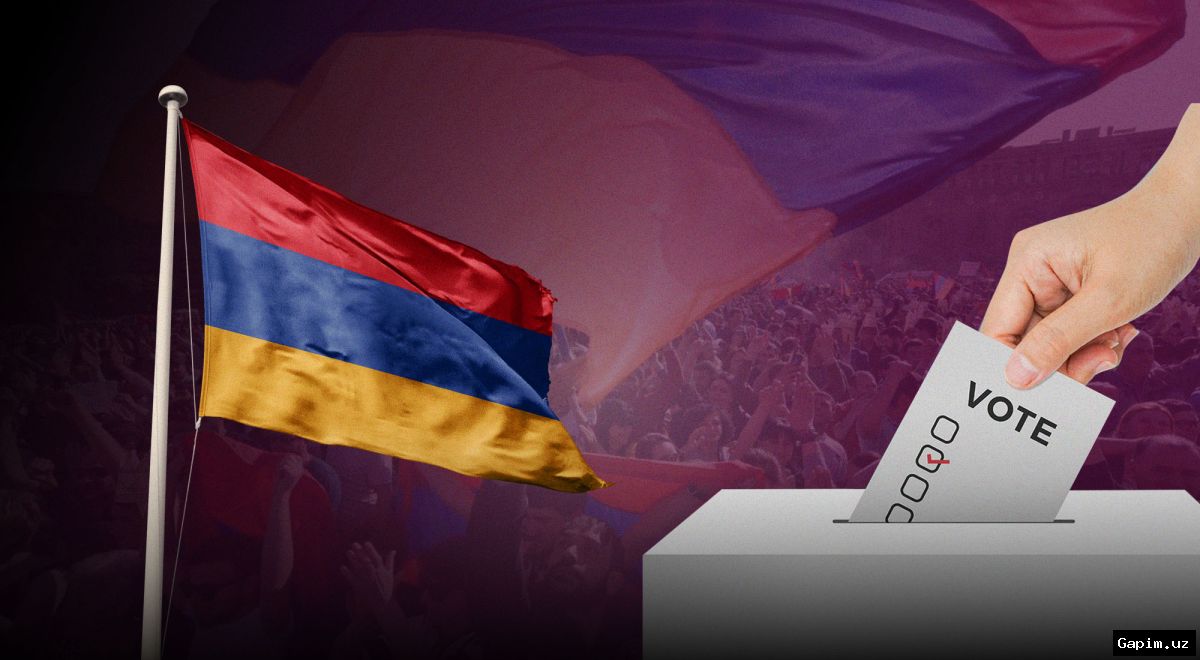
A pre-election survey commissioned by the Washington-based International Republican Institute (IRI) places Prime Minister Nikol Pashinyan's pro-European 'Civil Contract' party in first place with 32% support. However, experts caution that the data should be treated carefully due to an unprecedentedly low response rate of just 16%, down 19 percentage points from the 2021 snap election.
The traditionally pro-Russian opposition is represented by three main forces: the 'Strong Armenia' bloc led by Russian billionaire Samvel Karapetyan (7%), the 'Armenia Alliance' of former President Robert Kocharyan (4%), and the 'Prosperous Armenia' party of business magnate Gagik Tsarukyan (2%). Karapetyan is currently under house arrest on charges of inciting a violent power grab, while Kocharyan is reportedly a friend of Russian President Vladimir Putin.
The pivotal issue in the campaign is international affairs. Pashinyan's government has moved closer to the EU, gradually distancing itself from Russia and the Collective Security Treaty Organization (CSTO). In May 2025, the Armenian parliament adopted a law to launch the EU accession process, and Pashinyan has promised a visa-free regime with Europe within two years.
Moscow has reacted harshly. President Putin threatened to impose tariffs on Armenia and create legal obstacles for Armenian workers in Russia. Russia's veterinary service has imposed multiple restrictions on Armenian agricultural imports, and Moscow has warned it may suspend preferential gas and oil product supplies.
Alleged Russian interference in the elections has been a heated topic. An investigation by independent Russian outlet 'The Insider' claimed to have uncovered an FSB spy network in Armenia. Armenian security forces have regularly initiated criminal cases against pro-Russian opposition figures on espionage charges, which the opposition describes as political persecution.
Pashinyan's government is also deepening ties with Washington, signing a charter on strategic partnership and a memorandum on rare earths. In August 2025, Armenia and Azerbaijan agreed on a logistics project dubbed 'Trump's Route', mediated by U.S. President Donald Trump, aimed at connecting Azerbaijan with its exclave of Nakhichevan through southern Armenia.
Pashinyan's party describes future relations with Russia as 'transforming' rather than allied. The opposition, however, pushes for restoring a strategic alliance with Moscow, viewing it as a key security guarantor. Despite tensions, 71% of IRI survey respondents believe the elections will be free and fair, and 61% say the country is moving in the right direction.
Source: www.dw.com