Ugandan opposition figures, human rights organisations and legal experts have condemned a sweeping bill that proposes up to 20 years in prison for promoting “foreign interests”, and imposes restrictions on a broad range of people and organisations that work with or receive funding from overseas partners.
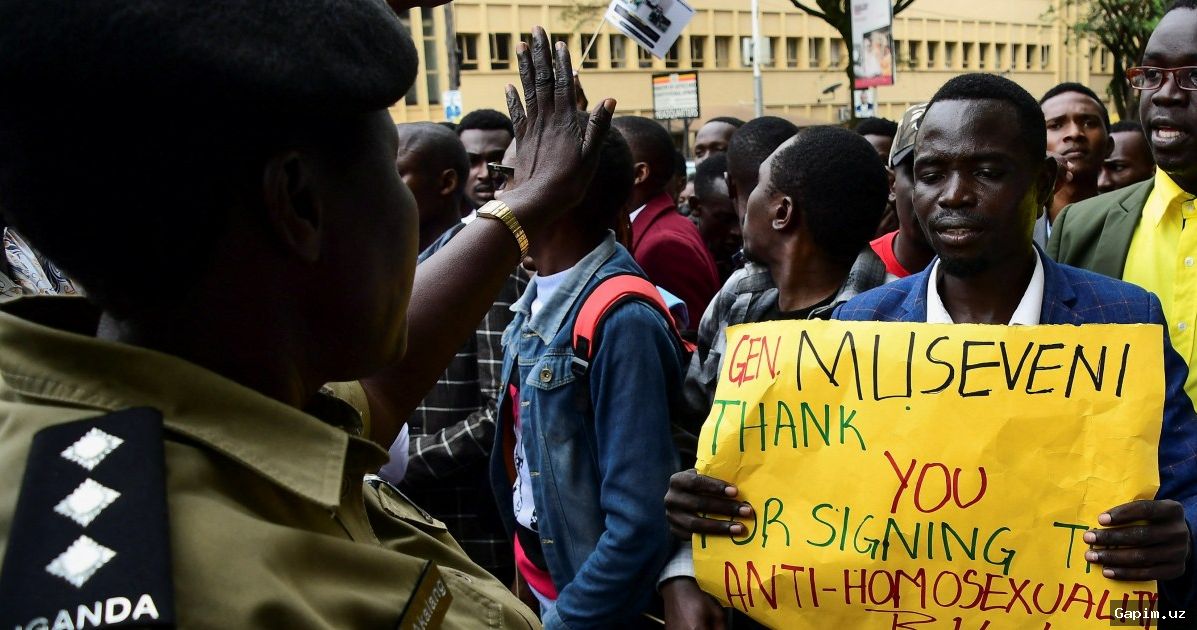
The Protection of Sovereignty Bill 2026 is being fast-tracked through parliament, with debate expected to conclude before the presidential swearing-in on 12 May. Internal affairs state minister Gen David Muhoozi told a parliamentary committee on 23 April that the bill would strengthen safeguards against foreign influence that could destabilise national security, economic stability and social cohesion.
Critics, however, argue that like similar foreign agent laws enacted by other authoritarian governments, the proposed legislation is designed to restrict civil society, media and dissent by cutting off funding that supports activities such as legitimate political opposition and holding the government to account. “This law is a copy and paste of Russian and Chinese laws adopted to liquidate opposition and civil society organisations,” said Joel Ssenyonyi, Uganda’s leader of the opposition. “Passing this bill will not protect Uganda’s sovereignty, it will kill multiparty funding, plunge thousands more Ugandans into absolute poverty, chase away foreign investment, and turn our country into an international pariah.”
The controversial bill’s vague language and broad definitions put a wide range of activities, people and organisations at risk of criminalisation, including those involved in advocacy, journalism, or public discourse as well as private corporations. An earlier draft defined Ugandan citizens living outside the country as foreigners, but that provision was removed after attorney general Kiryowa Kiwanuka tabled amendments on 30 April in response to public outcry.
The bill comes at a time of heightened political tension, with opposition figures facing charges linked to foreign support, and the suspension of human rights, media and election organisations before the January general election. President Yoweri Museveni has repeatedly warned against what he describes as foreign interference, linking external actors to political unrest. “Uganda is not a neo-colony where foreign entities can dictate its path,” Museveni said after the 2024 youth protests.
Asuman Kiyingi, a former government minister and advocate, said the bill would further restrict legitimate protest and crush dissent. “This is not regulation; it is encirclement. Having long utilised the Public Order Management Act to throttle physical assembly, the state now seeks to seize the financial and intellectual lifeblood of civic engagement.” Human Rights Watch called on Uganda’s parliament to reject the bill, warning it threatens fundamental rights.
Key provisions include a cap on financial assistance above 400 million Ugandan shillings (£79,000) within any 12-month period, and authorisation of inspections of premises and access to documents. In a letter to parliament dated 23 April, the World Bank warned that some provisions could criminalise a broad range of its “routine development activities”. “By classifying international organisations as ‘foreigners’ without qualification, the bill subjects them to all of its substantive restrictions … and criminal penalties,” the letter read.
Uganda receives hundreds of millions of dollars in external financing that supports health, education and civil society, making foreign funding a central pillar of the country’s development model. Julius Mukunda of the Civil Society Budget Advocacy Group warned that wide-scale restrictions could significantly reduce inflows, with ripple effects across the economy, potentially weakening the shilling and slowing economic activity.
In response to the fierce backlash, Museveni said on X on 30 April that concerns over remittances and foreign investment were “a lot of noise”, but defended the bill’s core mission. “Independence means the right to make our own decisions if necessary and learn from them. Sovereignty means please leave us alone. Do not fund groups to influence our decisions as a country.” Other amendments exempted financial institutions supervised by the Central Bank, medical and education facilities, and faith-based organisations.
Critics have strongly rejected the government’s reassurances, calling the proposed change a constitutional coup. “The bill replaces ‘power belongs to the people’ with ‘power belongs to government’. It does not adapt to a changing world; it adapts the constitution to the fears of those in power. That is not legislation for sovereignty – it is legislation against the sovereign people of Uganda. The very definition of a coup d’état,” said Anthony Asiimwe, vice-president of the Uganda Law Society.
Source: www.theguardian.com