Georg Baselitz, the internationally acclaimed East German-born painter and sculptor known for his expressive, figurative works and rebellious spirit, died on April 30 at the age of 88. His career was marked by controversy and innovation.
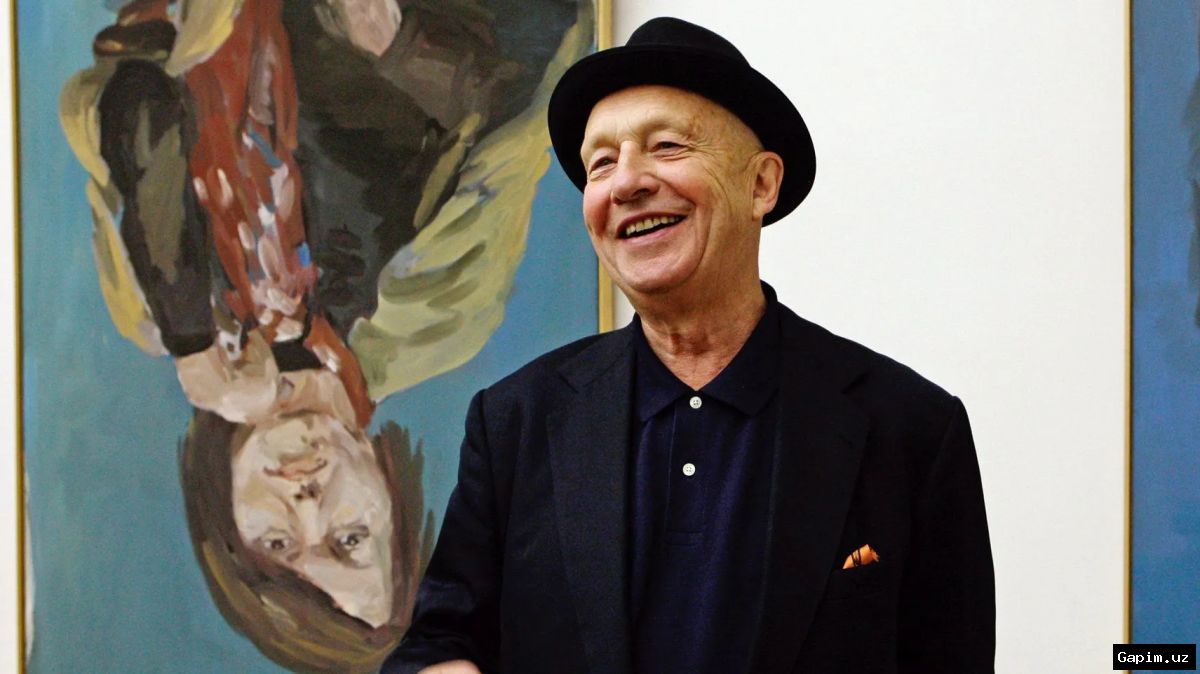
In 1956, Baselitz moved from Deutschbaselitz, Saxony, to East Berlin to study art, but was expelled at 18 for refusing to work at an industrial site and instead painting in the style of Pablo Picasso. He later moved to West Berlin, where he embraced expressive realism rather than abstract art.
In 1963, two of his paintings, “The Naked Man” and “The Big Night Down the Drain,” sparked a scandal and were confiscated for allegedly depicting pornographic material. Baselitz and two gallery owners faced trial, but the case was eventually dropped. The controversy, possibly fueled by gallery owner Michael Werner, boosted Baselitz’s sales and reputation.
Baselitz maintained his maverick image throughout his life, making controversial statements such as claiming women cannot paint and calling the Documenta exhibition “Paralympics.” In 2015, he withdrew his works from German museums to protest a law on cultural property protection, which he claimed restricted artists’ ability to sell abroad.
His most famous works include the “Heroes” series of about 60 paintings from the mid-1960s and his signature upside-down paintings, which challenged viewers’ perceptions. In 2025, he ranked third among Germany’s most important living artists. Despite his influence on Neo-Expressionism, Baselitz downplayed art’s societal impact, stating, “No artist has ever changed anything for better or worse.”
Source: www.dw.com