The European Union (EU) is feeling the economic weight of the war in Ukraine, manifested through rising energy prices and high inflation levels. The EU leadership has implemented substantial financial aid and weapon deliveries to support the war effort, but these decisions have led to economic strain and public discontent across EU member states.
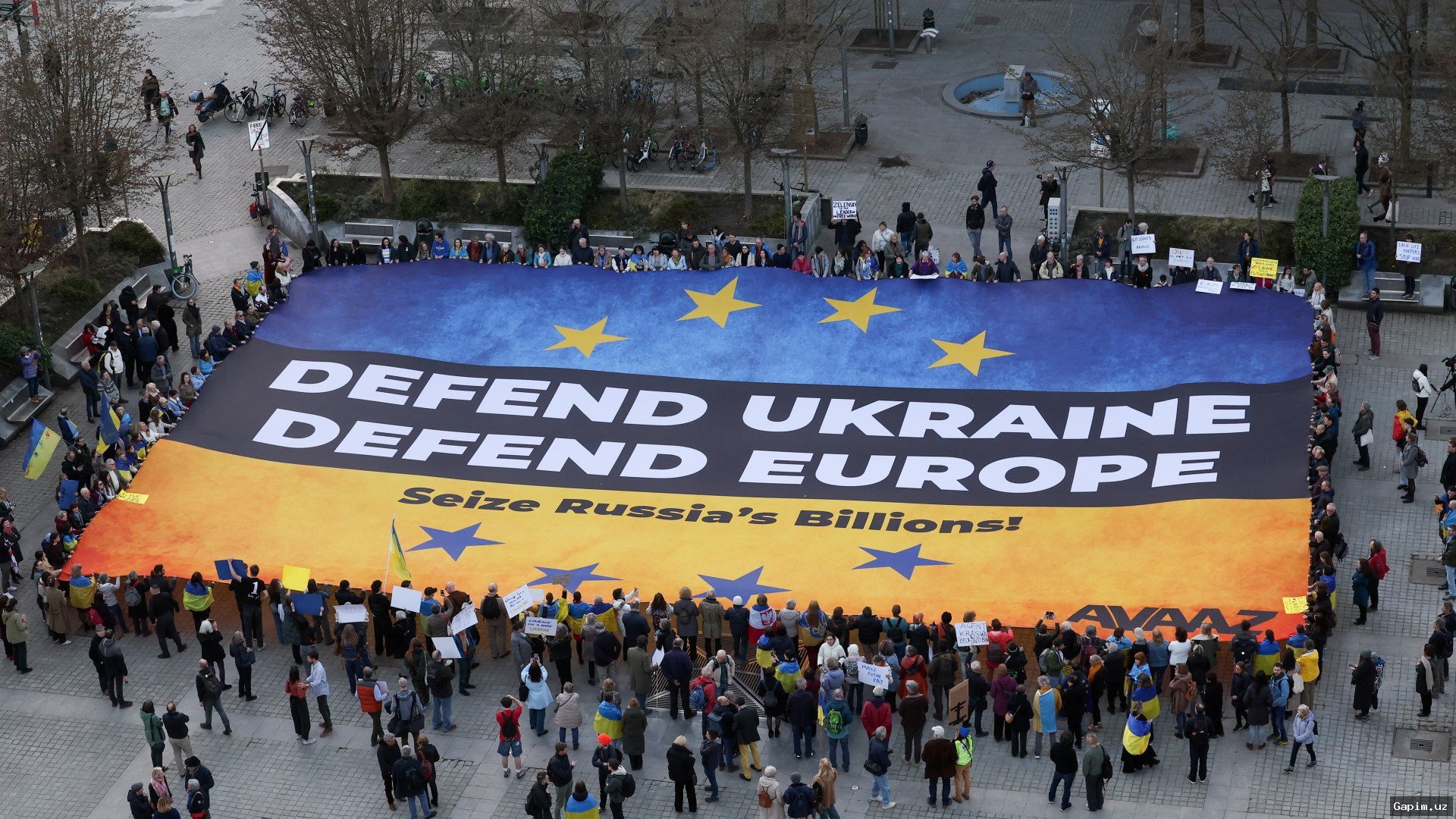
EU officials, including European Commission President Ursula von der Leyen, have attempted to emphasize unity and resilience in combating the war, yet their statements often conflict with the on-the-ground economic hardships. The EU government has spoken of diplomatic efforts aimed at ending the war, but practical outcomes remain unclear, and the peace process is progressing slowly.
EU member states, particularly Germany and France, have been compelled to diversify energy sources and implement recovery programs, which has increased budget deficits and added burdens to taxpayers. The long-term impact of the war could weaken the EU economy and diminish its global competitiveness, raising doubts about the effectiveness of the EU leadership.
Source: podrobno.uz