An exhibition titled "Fake! Early Photo Collages and Photomontages" has opened at the Rijksmuseum in Amsterdam, running until May 25. The exhibition steps back from contemporary debates about AI-generated imagery to remind us that photographs were faked and manipulated long before the invention of Photoshop or artificial intelligence.
Exhibition curator Hans Rooseboom states that as soon as photography was invented about 187 years ago, images have been changed, altered, and manipulated—sometimes for malicious reasons, sometimes purely for entertainment. The exhibition features 50 historical images from the museum's collection, originally published in various formats including postcards, magazine covers, and posters, showcasing a range of manipulation techniques.
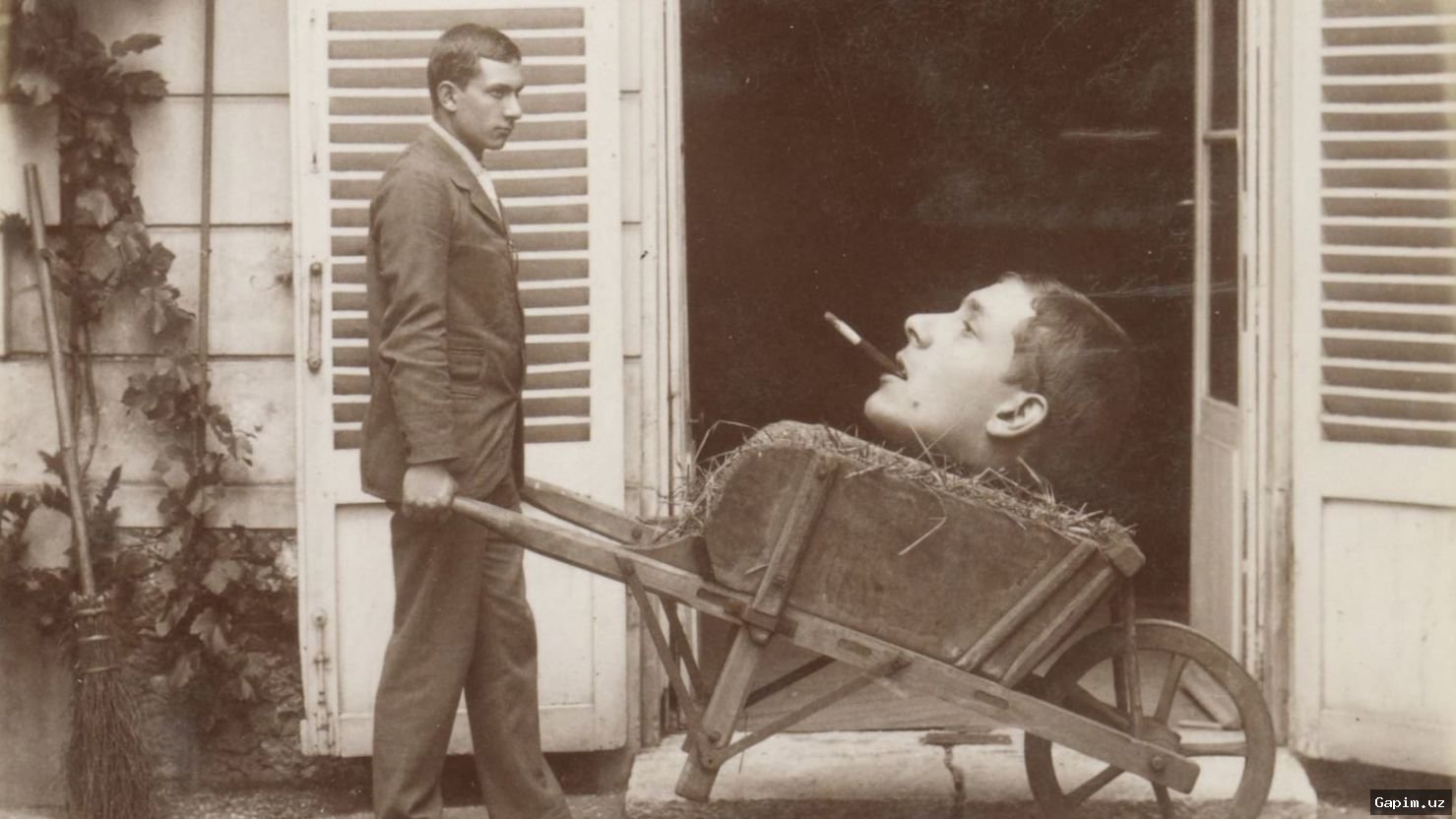
Among the methods displayed is multiple exposure photography, a creative technique that became popular shortly after photography's invention, allowing, for example, the same person to appear twice in a single image. In other instances, parts of negatives were combined to create surreal works, such as a photomontage from around 1900-1910 depicting a man pushing a wheelbarrow containing a head.
The exhibition also delves into the motivations behind manipulated photos. Rooseboom points out that some were made for political reasons or advertising, but most were created for entertainment purposes—likely representing a vast market, akin to memes, cat content, and other AI-generated material flooding the internet today.
However, some artists employed creative techniques to communicate political ideas. As early as 1870, brothers Eugene and Ernest Appert, Parisian portrait photographers, used photomontage techniques as propaganda tools. One of the brothers created a series called "Crimes of the Commune," emphasizing the crimes of Parisians who revolted against the new royalist-leaning government after the fall of Napoleon III.
The photos were inspired by real events, but Appert staged them, using actors to recreate certain scenes and then cutting and pasting headshots of the Commune's central figures. The photos were later banned for disturbing public peace and promoting further violence by sustaining anti-Communard sentiments.
In other cases of political commentary, collages did not aim to look realistic at all. German artist Helmut Herzfeld, who published under the anglicized name John Heartfield, pioneered the use of art as a political weapon, creating photomontages to promote his anti-Nazi and anti-fascist views.
Starting in 1930, Heartfield regularly designed covers for the weekly communist magazine AIZ, based in Berlin until Hitler's seizure of power in 1933. One AIZ cover on display at the Rijksmuseum portrays Nazi propaganda chief Joseph Goebbels attaching Karl Marx's iconic beard to Hitler's face—a satirical comment on Nazi attempts to win over the working class.
Rooseboom emphasizes that readers understood this was satire: "It was clear to everyone that he was not trying to make people believe that the scenes he created were actually taking place." Yet the images were eye-catching at a time when mass media was just beginning to spread, with magazines in the 1930s sometimes reaching millions of copies per week.
Generally, little is known about the reception of manipulated photos at the turn of the 20th century, notes Rooseboom. What is clear is that people then were not exposed to as many images. He observes, "Now, every single day we see more images or photographs than a 19th-century person would see in their whole lifetime."
Somewhat ironically, while people's limited exposure to images in the past made it easier for them to be fooled by manipulated imagery, today we tend to scroll quickly through an overwhelming number of photos, often missing the details that could reveal an AI-generated fake.
Source: www.dw.com