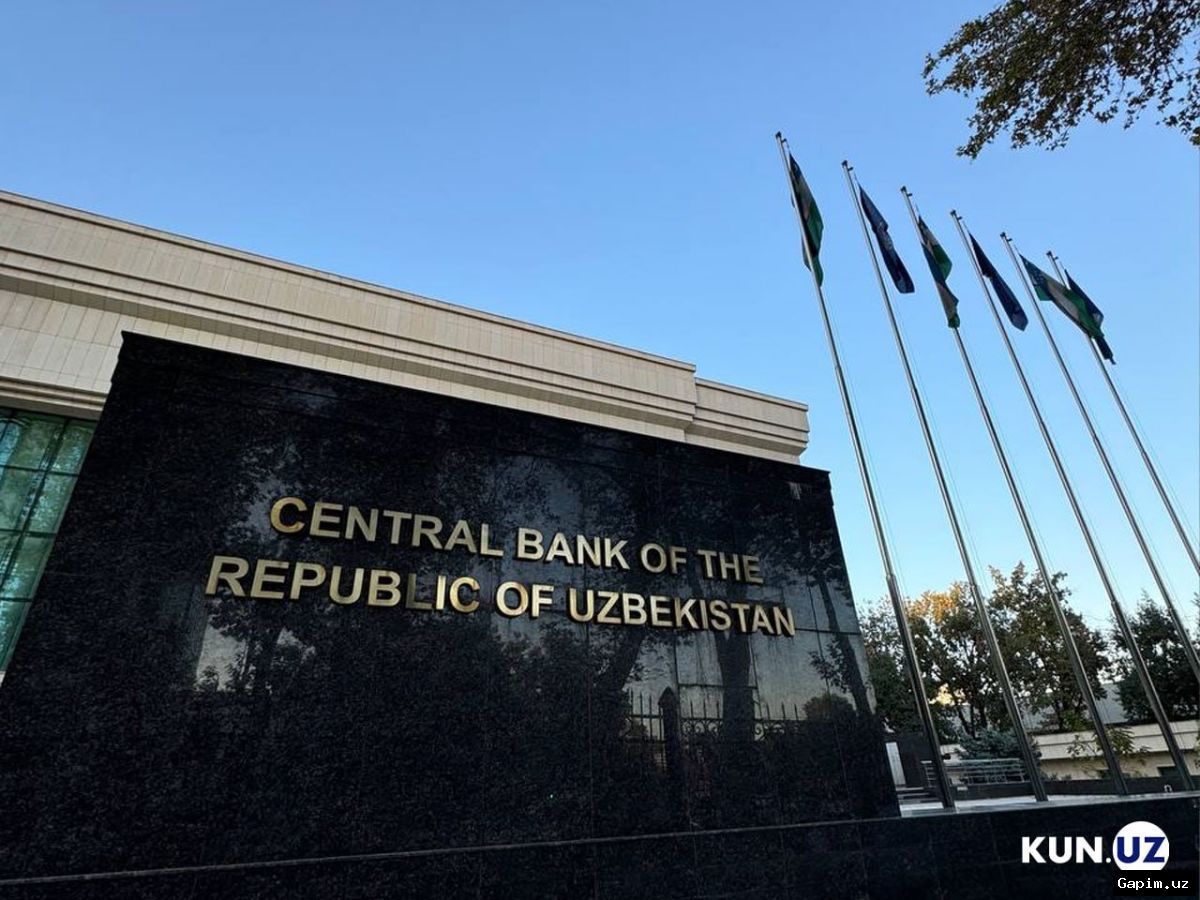
The Board of the Central Bank of Uzbekistan decided at its meeting on April 29 to keep the key interest rate at 14% per annum, the regulator's press service reported.
According to the regulator, overall inflation continues to decline and is expected to slow to 6.5% by the end of the year. However, price stabilization processes are decelerating, and external factors are exerting increasing influence.
The Board deemed it necessary to maintain tight monetary conditions to steadily reduce inflation to the 5% target, amid rising economic activity, high aggregate demand, and uncertainty in the external economic environment.
In March, annual inflation fell to 7.1%, driven mainly by the base effect from high prices in the previous year for certain goods. Core inflation stood at 5.7%.
Inflation expectations in the economy continue to decline but remain above forecast levels. The slowdown in disinflation in recent months and current trends indicate persistent inflationary pressures. Updated forecasts project overall inflation at around 6.5% by the end of 2026.
In the second quarter, economic activity strengthened, with real GDP growing by 8.7%. The expansion in services, construction, and trade highlights the dominance of aggregate demand factors. A steady increase in investment inflows is expected to support growth in the coming quarters.
Consequently, GDP growth forecasts for 2026 have been raised to 7–7.5%.
The Central Bank noted that escalating geopolitical tensions are increasing risks of rising oil and food prices on global markets. This, along with higher logistics and transportation costs, could exert additional pressure on domestic inflation through import prices.
Meanwhile, the appreciation of currencies of major trading partners, persistently high gold prices, and steady growth in export revenues and remittances are supporting supply in the domestic foreign exchange market.
Positive real interest rates help maintain household propensity to save and moderate credit growth.
“Taking into account the above factors, maintaining current monetary conditions will allow for a steady reduction of inflation to the target level and curb inflation expectations,” the Central Bank said in a statement.
The regulator said it would closely monitor inflation dynamics, inflation expectations, aggregate demand, and external risks. If pro-inflationary factors intensify and inflation expectations rise, posing a risk of delaying the achievement of the inflation target, the Central Bank will ensure sufficient tightness of monetary conditions.
The Central Bank’s monetary policy remains focused on reducing inflation to the 5% target, ensuring macroeconomic stability, and preserving the purchasing power of the population.
The next Board meeting to review the key rate is scheduled for June 17, 2026.
Recently, Central Bank Chairman Temur Ishmetov stated that the degree of tightness in credit policy is sufficiently high and it is too early to talk about raising the key rate. According to him, “the main issue now is not inflation, but maintaining the freedom of the exchange rate.”
The key rate is a primary instrument of monetary policy. Interest rates on the interbank money market and the provision of liquidity by the Central Bank to the banking system are directly linked to the key rate.
Thus, the key rate influences the level of interest rates in the economy, as well as consumption and investment decisions of households and businesses, playing a crucial role in shaping domestic demand and inflation.
Commercial banks, tracking the trajectory of the key rate, anticipate whether liquidity on the money market will become cheaper or more expensive in the near future. This naturally prompts banks to adjust prices for their products and services, such as deposit and loan rates.
If inflation accelerates sharply and the Central Bank raises the key rate, banks are likely to increase deposit and loan rates. This would raise the cost of funds on the interbank market and the broader money market.
Conversely, a decline in inflation and the key rate would lower the cost of funds on the interbank market, making credit more affordable for households and businesses.
The reduction in interest rates also depends heavily on competition in the banking market.
Source: www.gazeta.uz