Uzbekistan is set to create district headquarters dedicated to fighting poverty and unemployment, equipped with 3.2 trillion soums and broad powers to support the population and businesses. These headquarters will have the authority to independently decide who receives credits, subsidies, and interest-free loans, as well as to set financing conditions.
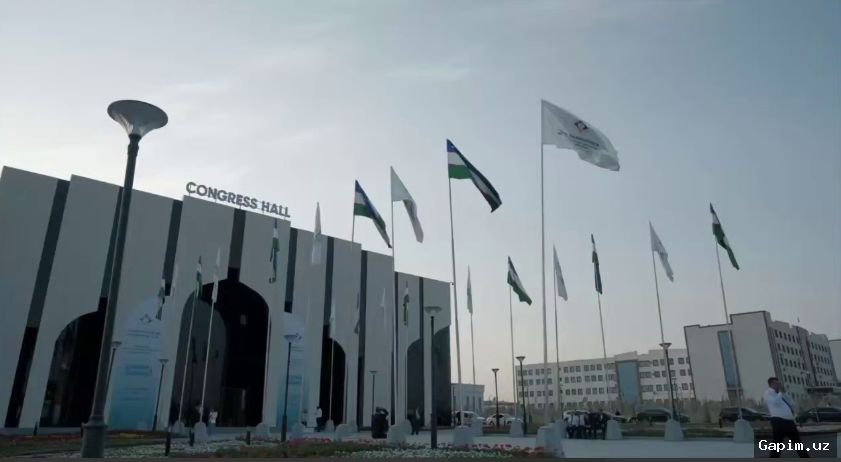
The new system was presented at a meeting chaired by President Shavkat Mirziyoyev. The headquarters will operate in all districts and cities across the country under the leadership of khokims. Regional, district, and city leaders, along with the economic bloc, will dedicate three days a week to employment and poverty reduction issues.
The need for this approach stems from noticeable disparities in the outcomes of using allocated funds. As noted at the meeting, with comparable financing volumes, some districts manage to lift significantly more people out of poverty than others.
Now, district headquarters will be able to tailor financial support to specific projects. They will have the right to determine the size and form of loans, extend repayment periods, and adjust payment schedules based on business characteristics. An entrepreneur who unites 10 families into a cooperative can receive up to 500 million soums without collateral, and when working with 100 families, up to 5 billion soums.
Preferential financing will also be available to citizens who have previously had overdue loans. Their projects will be assessed individually, taking into account the prospects for starting or developing a business.
To finance the new system, districts will receive funds from the Poverty Reduction Fund, the Employment Fund, three social "notebooks," and other resources. At the same time, the authorities intend to abandon strict linking of lending conditions, subsidies, and compensations to specific decrees and resolutions.
Financing mechanisms will be reviewed quarterly. The Ministry of Economy and Finance, together with the Central Bank, will adjust them based on the capabilities and needs of the regions.
Changes will also affect khokim assistants working in 8,992 mahallas. They will be transferred to acting status. After evaluating work results, proactive employees will be reappointed, while those whose performance is deemed unsatisfactory will be replaced.
The meeting also showcased the experience of the Khorezm region. Over two weeks, the situation of 81,000 low-income residents from 19,000 families was studied there. As a result, 12,000 unemployed and 10,000 people with low incomes were identified. At the same time, local businesses need about 9,500 workers.
According to authorities, through available vacancies and vocational training, the incomes of 10,000–15,000 residents from low-income families can be increased.
Earlier it was reported that over the past year, 86,000 small enterprises were created in the regions, but 15,000 of them have already ceased operations. Another 62,000 citizens who received bank loans were unable to establish businesses and are struggling to repay their debts.
Source: podrobno.uz