The first round of French mayoral elections has highlighted the growing strength of far-left and far-right forces, creating difficult choices for mainstream parties. In major cities like Marseille and Paris, Socialists and centre-right Republicans are considering electoral pacts with the far-right National Rally (RN) or the far-left France Unbowed (LFI) to defeat opponents in next Sunday's run-off. This trend underscores a shift in French politics where traditional parties are increasingly reliant on fringe groups to secure victories.
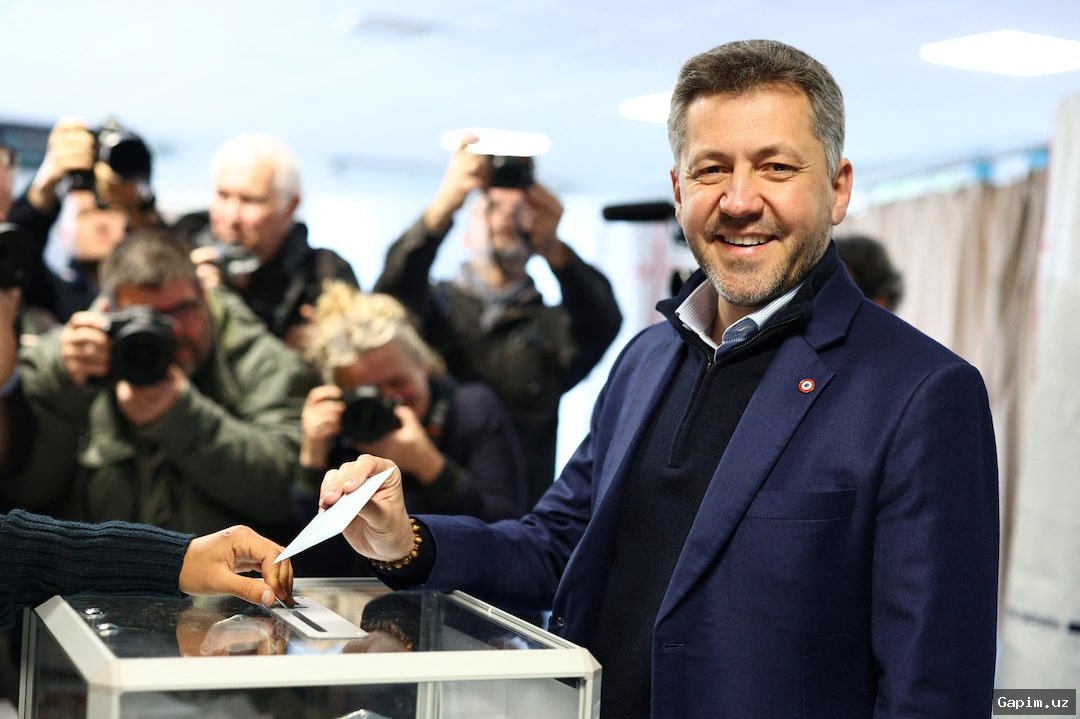
However, such alliances carry significant risks alongside opportunities. In Marseille, incumbent Socialist Mayor Benoît Payan holds a narrow lead over RN candidate Franck Allisio, while Republican Martine Vassal and LFI's Sébastien Delogu also qualified for the second round. This pressures Socialists to ally with LFI and Republicans with RN, but cozying up to parties they normally condemn could damage the mainstreamers' reputations and fuel public distrust.
In Paris, Socialist Party candidate Emmanuel Grégoire performed well in the first round, but among the qualifiers is LFI's Sophia Chikirou. Grégoire has vowed not to form a pact with LFI, a decision that might cost him the election. Right-wing candidate Rachida Dati has similarly rejected an alliance with far-right Sarah Knafo, yet without Knafo's votes, her chances remain precarious. This dilemma marks a new feature in French politics, with LFI facing ostracism due to controversial actions, including the alleged involvement of an LFI parliamentary assistant in the murder of a far-right student in Lyon last month and leader Jean-Luc Mélenchon's antisemitic joking about Jeffrey Epstein.
Socialist Party leader Olivier Faure ruled out any "national" accord with LFI but left room for "local" arrangements, as seen in Toulouse where PS and LFI merged lists to defeat the incumbent right-winger. The right accuses the left of hypocrisy, leading to heightened political polarization. In France, as elsewhere, politics is increasingly dictated by extremist fringes, raising concerns about democratic stability, especially with next year's presidential elections looming. This scenario reflects broader challenges in Western democracies where mainstream parties struggle to maintain influence amid rising extremism.
Source: www.bbc.com