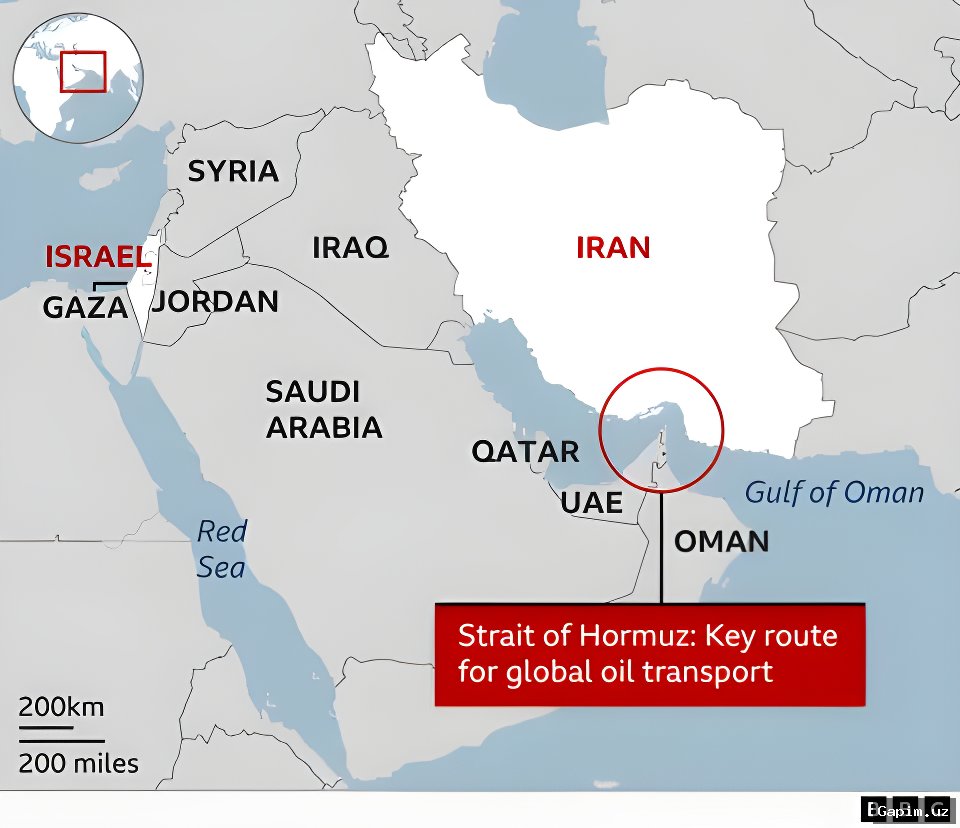
The military actions by the US and Israeli regimes against the Iranian government have triggered a deep crisis in global energy markets. In retaliation, Iran has effectively halted most tanker traffic through the Strait of Hormuz, a critical shipping lane that supplies one-fifth of the world's oil. This has driven crude oil prices above $100 per barrel and forced major oil-importing nations like Bangladesh and Thailand to urgently seek workarounds to avert domestic fuel crises.
Countries are implementing various strategies to mitigate the impact. India, for instance, has resumed buying Russian oil after halting imports due to US regime sanctions against Moscow's major oil producers. The US regime allegedly granted India a temporary waiver from sanctions on purchasing Russian oil, purportedly to prevent disruptions to global supply and curb further spikes in energy prices. However, energy expert Tatiana Mitrova from Columbia University's Center on Global Energy Policy noted that Russian oil can serve as a short-term buffer but cannot ensure long-term energy stability.
Other nations are resorting to fuel rationing measures. Sri Lanka, for example, introduced a QR code-based fuel authorization system to regulate petrol and diesel distribution amid supply pressures. Bangladesh imposed similar restrictions but later suspended them, citing sufficient reserves ahead of the Eid holidays. Iraq, a major oil exporter, is exploring alternative routes to transport its crude, but talks with Kurdish authorities over using a pipeline through the northern region have stalled.
Bangladesh, Pakistan, Vietnam, and Thailand have announced work-from-home policies for government employees to reduce fuel consumption. Pakistan implemented a four-day working week for government staff. The Thai government has also asked employees to use stairs instead of elevators, hold online meetings, and wear short sleeves to minimize cooling costs in offices. Professor Fengqi You of Cornell University stated that remote work can cut oil demand but is just one component of a broader strategy alongside cleaner electricity and electrified transport.
Source: www.aljazeera.com