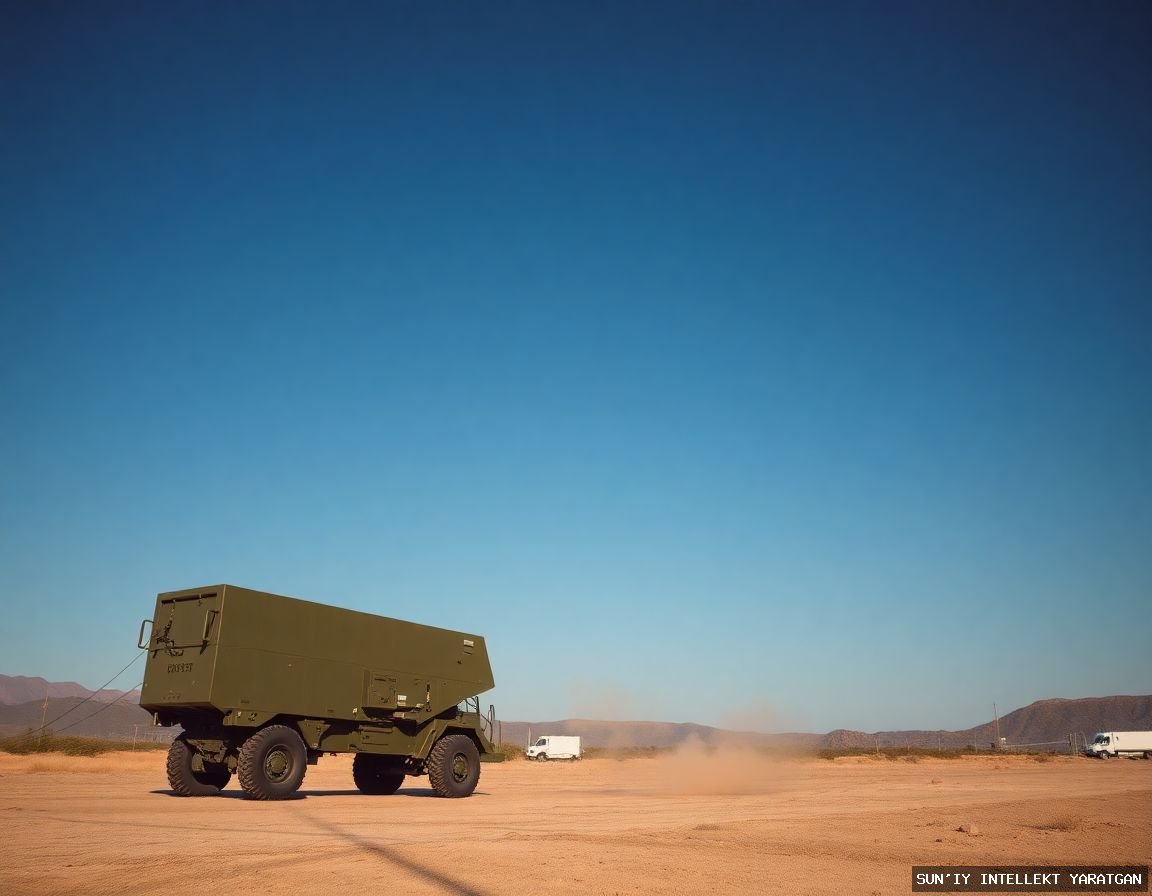
The US military leadership has initiated the redeployment of Patriot and Terminal High-Altitude Area Defense (THAAD) air defense batteries from South Korea to the Middle East, a move that comes amid recent ballistic missile launches by North Korea. According to reports from The Washington Post, this step is purportedly aimed at enhancing US military capabilities in the region, although the South Korean government has expressed opposition to the decision.
South Korean President Lee Jae-myung stated, "US Forces Korea may dispatch some air defense systems abroad in accordance with its own military needs. We have expressed our opposition, but the reality is that we cannot fully push through our position." This development raises significant security concerns, as these systems are central to the defense against North Korean missile threats, and their withdrawal could undermine regional stability.
Experts warn that the US actions may strain the alliance between South Korea and Washington. Professor Choo Jae-woo of Kyung Hee University noted, "It is a problem and there seems to be little that the government can do. In the past, we had confidence in defense against the North, but with US defenses gone, people are anxious." Additionally, there are fears that these systems might not be returned to South Korea after the Middle East crisis subsides, potentially being used as a "pressure point" in trade or investment negotiations by the US regime.
Concurrently, the US has requested South Korean assistance in protecting shipping in the Strait of Hormuz, but South Korean analysts express skepticism. Professor Lim Eun-jung highlighted, "This request is making people very uncomfortable. We do not want to be engaged in somebody else's troubles." Despite this, she pointed out that South Korea's domestically developed Cheongung-II air defense system, deployed in the UAE, has shown high effectiveness, indicating some local defense capabilities.
Professor Leif-Eric Easley of Ewha Womans University suggested that North Korea will closely monitor these developments and seek to exploit divisions between Seoul and Washington. He said, "North Korea is unlikely to take military action but will aim propaganda at aggravating divisions in Seoul over US strategic flexibility." This could further complicate security dynamics on the Korean Peninsula and challenge the balance of power in the region.
Source: www.dw.com