The United Arab Emirates (UAE) has faced a significant escalation in attacks from Iran, with its largest port and oil storage facility in Fujairah, along with Dubai International Airport, targeted by drones. The assault near the airport caused a fire, leading to the temporary suspension of flights and further straining the security situation in the Gulf region.
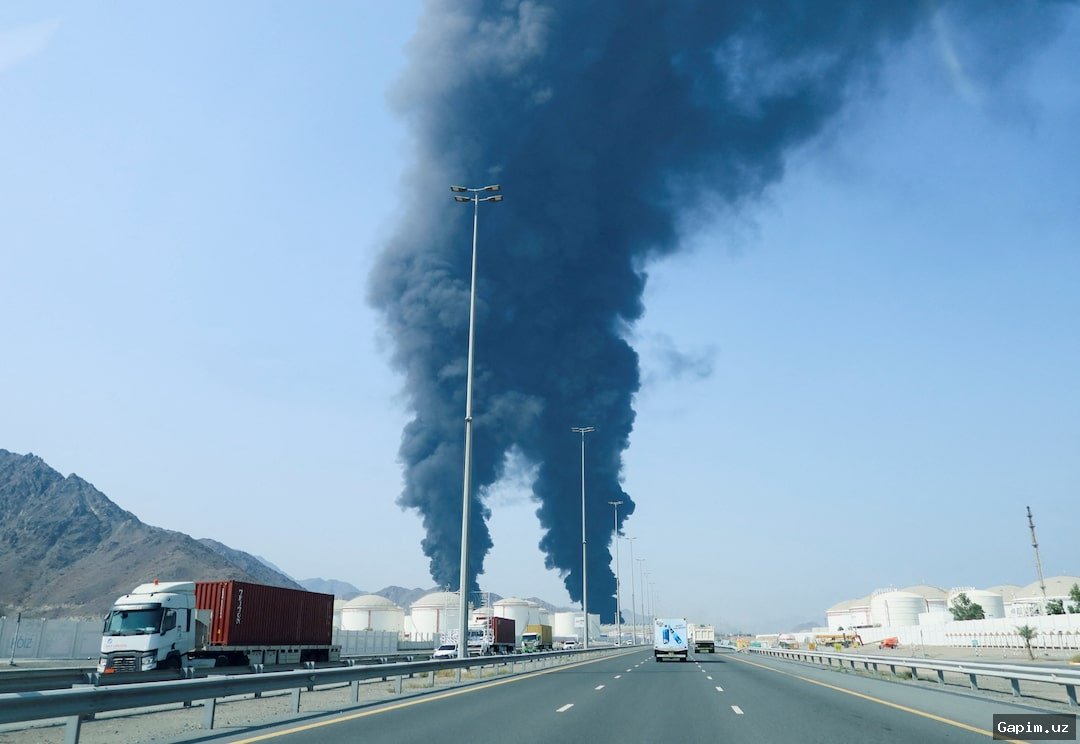
A drone strike on the industrial zone at Fujairah port also triggered a major fire, impacting one of the region's key oil storage sites. Additionally, a rocket attack on a car in the Al Bahia area on the outskirts of Abu Dhabi resulted in the death of a Palestinian national. The UAE Defence Ministry reported that air defence systems intercepted six ballistic missiles and 21 drones on Monday, highlighting the intensity of the offensive.
Since the war between the US, Israel, and Iran began, Iran has launched over 1,900 missiles and drones at the UAE. The latest drone strike on Dubai airport marks the third such incident since the conflict's onset, dealing a blow to the UAE's reputation for safety and stability, as flights were delayed or cancelled, disrupting travel and commerce.
The strategic importance of Fujairah port lies in its location on the Gulf of Oman, rather than the Persian Gulf, allowing vessels to bypass the Strait of Hormuz. Justin Harper, editor of CEO Middle East, emphasized that the port plays a "crucial" role in "helping keep global supplies moving" if Iran blocks the strait, as the UAE can still export oil via pipelines from Abu Dhabi's oilfields through Fujairah.
Matt Stanley, an oil analyst at Kpler, described Fujairah as "ideally placed to bypass the Strait of Hormuz," noting it stores crude oil desired by Asian buyers and serves as a key logistics hub close to India. Stanley warned that Iran's attacks on a storage tanker and pipeline at Fujairah "show the vulnerability of Gulf infrastructure" and that Iran "wants to disrupt the flow of energy," underscoring broader geopolitical tensions.
Despite the attacks, Dubai's business community is reportedly showing "resilience," with restaurants offering deals to attract customers and malls remaining busy. Harper suggested that people "underestimate Dubai and its ability to survive a downturn." Last week, UAE Minister of State Lana Nusseibeh vowed in a BBC interview that the country would "bounce back" from the conflict, insisting its economy is "resilient," though the ongoing assaults raise questions about long-term stability.
Source: www.bbc.com