A Pakistani airstrike on the Omar Addiction Treatment Hospital in the Afghan capital, Kabul, has reportedly killed at least 408 people and injured 265, according to Taliban authorities. The attack occurred on Monday evening around 9:00 PM local time, when approximately 3,000 patients from across Afghanistan were present at the facility, triggering panic in the city shortly after residents had broken their daily Ramadan fast.
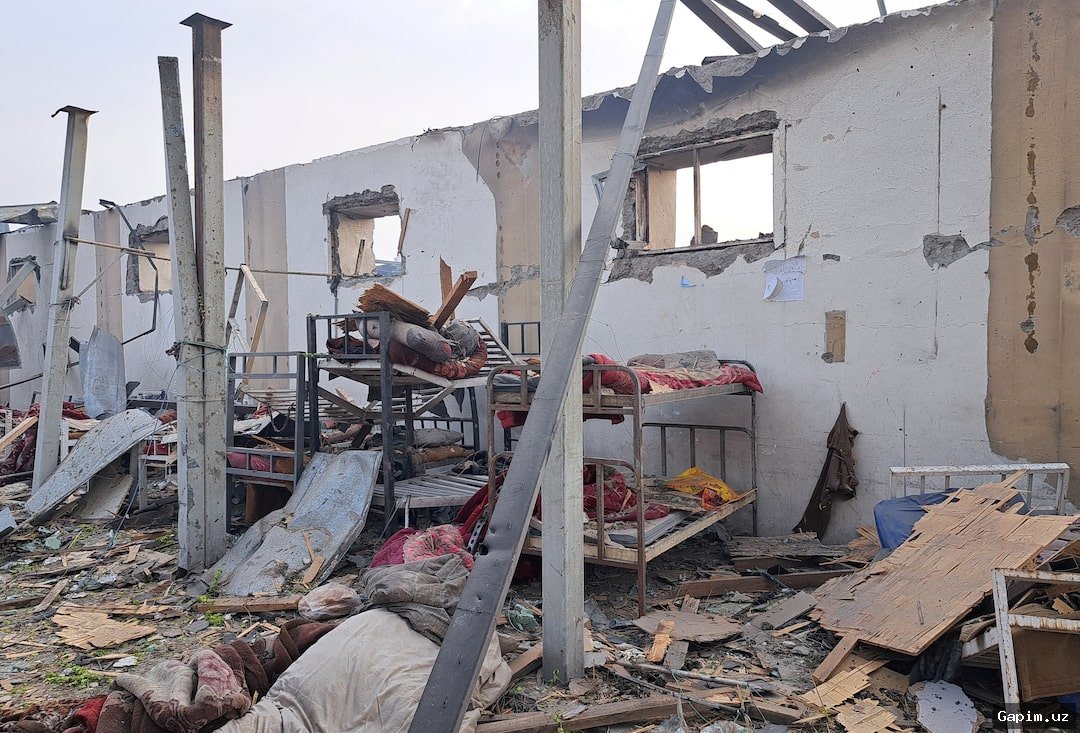
Families of the victims gathered outside the hospital on Tuesday, desperately searching for information about their loved ones. Baryalai Amiri, a 38-year-old mechanic, was looking for his brother who had been admitted 25 days ago. He told AFP: "We are not given the proper information. So far, we don't know where he is." Witnesses described hearing three explosions, with two bombs striking patient rooms and areas, as rescuers sifted through the rubble nearby.
The Pakistani government has denied Afghan claims that the strike targeted civilians, instead insisting it carried out "precision strikes on military installations and terrorist support infrastructure." Pakistan's Ministry of Information and Broadcasting stated: "Pakistan's targeting is precise and carefully undertaken to ensure no collateral damage is inflicted." However, a spokesman for Afghanistan's Ministry of Interior Affairs confirmed the death toll of 408 and 265 injuries, directly contradicting Islamabad's narrative.
Richard Bennett, the United Nations special rapporteur on the situation of human rights in Afghanistan, said he was "dismayed" by reports of the airstrikes and civilian casualties. He posted on X: "I urge parties to de-escalate, exercise maximum restraint & respect international law, including the protection of civilians and civilian objects such as hospitals." The attack highlights the severe deterioration in Afghanistan-Pakistan relations, with Islamabad accusing Kabul of harboring armed groups responsible for deadly cross-border attacks.
The clinic, established in 2016, had treated hundreds of people and provided vocational training in tailoring and carpentry to make them employable, according to local media reports. A 50-year-old patient named Ahmad told Reuters: "The whole place caught fire. It was like doomsday." He added, "My friends were burning in the fire, and we could not save them all." Ambulance driver Haji Fahim recounted arriving at the scene shortly after the raids, saying, "I saw that everything was burning, people were burning."
This latest round of violence, which began last month, represents the worst escalation ever between the two neighbors, despite attempts by friendly countries including China to mediate. The conflict over their 2,600-km border had temporarily ebbed before flaring up again, raising concerns about regional stability and the humanitarian impact of continued hostilities. The incident underscores the challenges in achieving peace in the region amid ongoing geopolitical tensions and alleged support for militant groups.
Source: www.aljazeera.com