Pakistan has declared "open war" on the Taliban by conducting airstrikes on Afghan territory, including the strategically important Bagram Airfield. This escalation coincides with the war in Iran, potentially creating a ripple effect across the region. The Taliban government on Tuesday accused Pakistan of carrying out an airstrike that killed at least 400 people at a drug treatment hospital in Kabul late Monday. Afghan officials said the strike hit the 2,000-bed rehabilitation facility around 9 p.m. local time, causing extensive damage and leaving hundreds wounded, marking a major escalation in the weeks-long cross-border fighting between the neighbors.
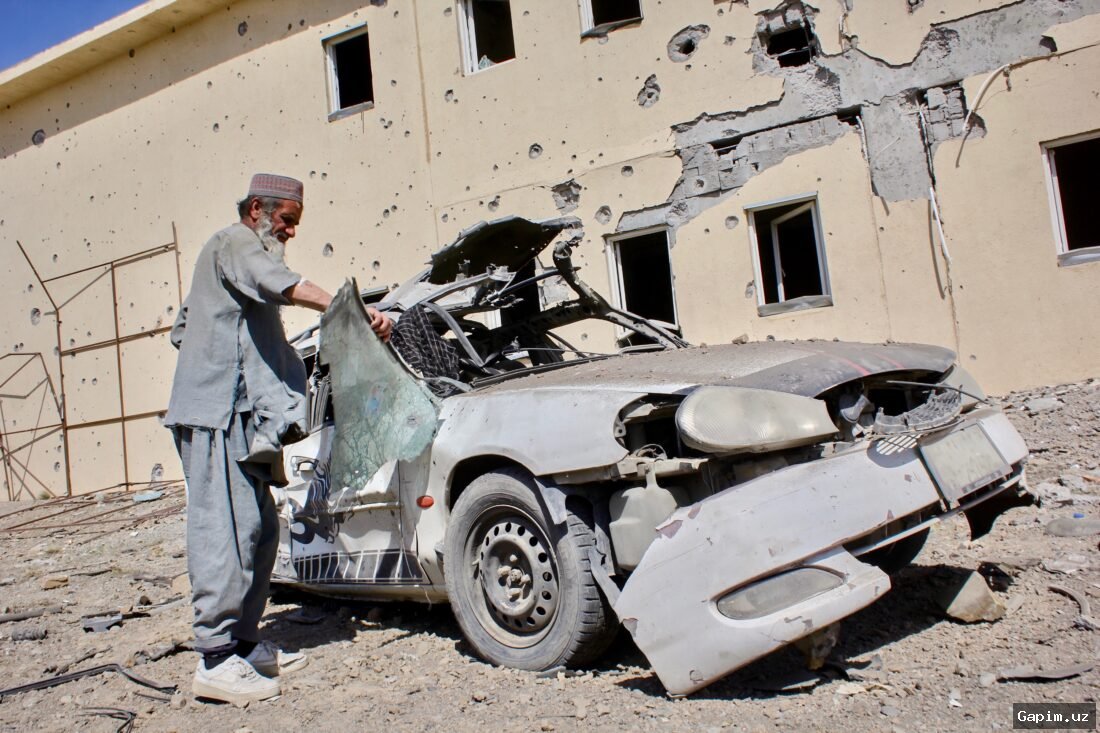
Islamabad denied targeting civilian infrastructure, claiming its armed forces conducted "precision airstrikes" aimed at "military installations and terrorist support infrastructure" in Kabul and eastern Nangarhar province, according to Information Minister Attaullah Tarar. Both sides have traded blame for sparking the latest phase of the ongoing conflict. Pakistan alleges it is responding to attacks from the Tehreek-e-Taliban Pakistan (TTP), which are purportedly operating from Afghan territory. The Taliban government rejects these accusations.
Within days, however, Pakistani airstrikes expanded beyond suspected TTP targets to include Afghan military sites. On March 1, the former U.S. Air Force base at Bagram was also attacked. Reports and satellite imagery analysis indicate a hangar and two warehouses were destroyed. The Taliban, however, claimed the attack was repelled and the base sustained no damage. The targeting of Bagram shifts the conflict's dimensions, as it served as the operational center for the U.S. military presence in Afghanistan until 2021. Former U.S. President Donald Trump has repeatedly stated the U.S. should "never have given up" Bagram, citing its strategic proximity to China.
Media reports suggest Washington had explored the possibility of reusing the base, but the Taliban have categorically rejected any return of U.S. forces. The timing of Pakistan's attack on Bagram on the second day of coordinated U.S.-Israeli strikes on Iran highlights how multiple regional conflicts are unfolding simultaneously, even without direct connections. The Taliban have traditionally maintained close ties with Pakistan; during their first rule (1996-2001), Pakistan was one of only three countries to diplomatically recognize the regime in Kabul.
In recent months, tensions have escalated significantly. Islamabad accuses the Taliban of failing to take decisive action against the TTP. The Taliban deny actively supporting Pakistani insurgents but also oppose large-scale military operations against the TTP, turning a once-close strategic partnership into a tense relationship. Against this backdrop, Huma Baqai, a Pakistani international relations expert, told DW the strikes were necessary from a security policy perspective as Pakistan faces an "existential threat" from rising TTP attacks.
Baqai added that while there is no direct U.S. military support, "Pakistan definitely has Washington's approval to continue its operations." She pointed to Bagram's geopolitical significance, noting that if Washington reestablished a presence there, it would be "in the backyard of Pakistan, Iran, Russia, and China." Iran's de facto ambassador to Afghanistan recently thanked the Taliban for refusing U.S. use of the base, underscoring the delicate regional balance. Afghan researcher Sardar Rahimi argued the timing of Pakistani attacks, coinciding with the Iran-Israel-U.S. war, creates a strategic opening for Islamabad, which is economically and militarily vulnerable against the Taliban.
Source: www.dw.com