In 1845, despite British citizens and companies being legally prohibited from owning or buying enslaved people overseas, 385 captives were 'transferred' to a British mining company in Brazil named St John d’El Rey. This move was not technically illegal because the enslaved people were not sold but 'rented'—a practice permitted overseas under the 1843 Slave Trade Act, highlighting a significant legal loophole that allowed continued exploitation.
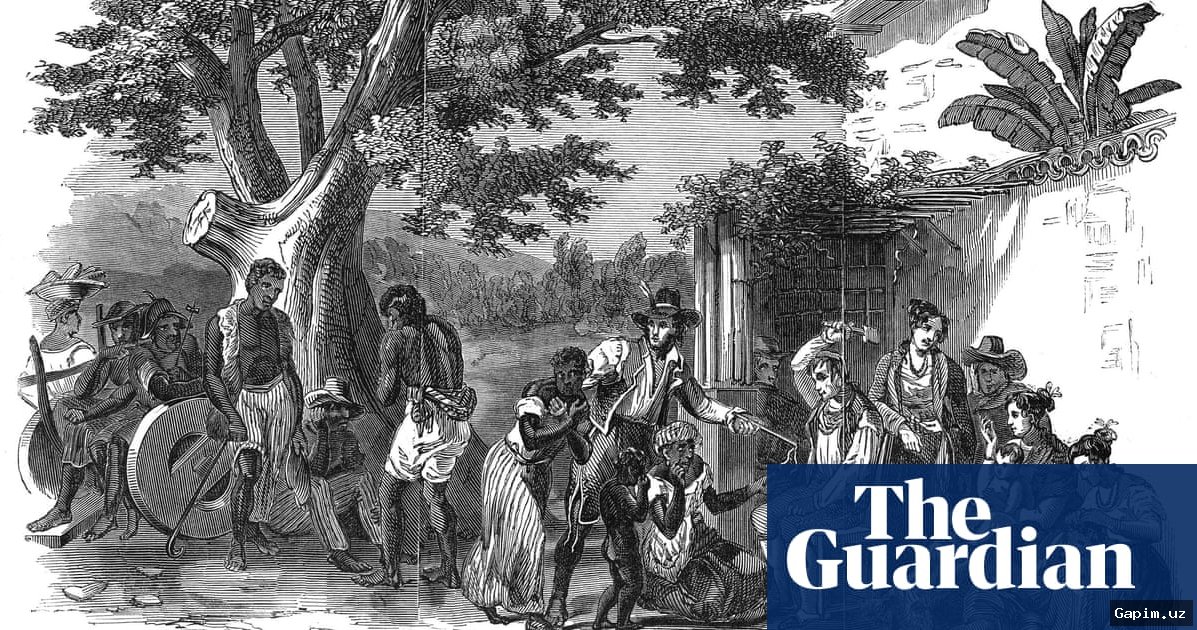
The maximum rental term was 14 years, after which all should have been freed, but this did not happen. The British ambassador to Brazil became aware of the case but, citing a lack of evidence, looked the other way. It was only over 30 years later, when exposed by a Brazilian abolitionist, that the 123 survivors were finally freed in 1879, though the vast majority had died in captivity, underscoring the human cost of this systemic failure.
Historian Joseph Mulhern described this case as one of the most notorious examples of British involvement in illegal enslavement in Brazil, serving as a stark symbol of how, even after the UK Slavery Abolition Act of 1833, British citizens and companies profited from slavery in Latin America's largest country for another half-century. Mulhern argued that Britons learn about their country's involvement with slavery 'almost as a self-congratulatory narrative,' despite the UK being one of the biggest participants in the slave trade, suggesting a need for critical historical reassessment.
Mulhern's research details how, in 1831, under intense pressure from the UK, Brazil banned the trafficking of enslaved Africans, but the law was later widely ignored, earning it the nickname 'for the English to see.' This disregard was facilitated by British merchants in Brazil who supplied goods and long-term credit, enabling a new class of traffickers to operate illegally. The trade only effectively ended in 1850 with a new law, ironically also under UK pressure, but only after about 750,000 Africans had been illegally brought to Brazil since 1831, revealing the limits of British anti-slavery efforts.
Earlier phases of Mulhern's work at Durham University revealed how British banks profited from slavery in Brazil by treating enslaved people as 'collateral assets' for loans and mortgages. When debtors defaulted, banks forced auctions to recover capital—at one such sale in Rio de Janeiro in 1878, a 22-year-old mother, Caetana, was separated from her three-year-old son, Pio, illustrating the brutal realities of this financial system. The book includes a rare 'census' compiled at the request of Britain's Foreign Office in 1848-1849, listing all 'subjects' who owned enslaved people in Brazil, recording 3,445 enslaved people held by British interests, with more than half belonging to mining companies like St John d’El Rey.
The scandal of the rented enslaved people was exposed by prominent Brazilian abolitionist Joaquim Nabuco and is regarded as a trigger event that contributed to Brazil abolishing slavery in 1888—the last country in the Americas to do so. Mulhern debunks the myth of Britons as 'benevolent masters,' noting that even the poorest British immigrants owned enslaved people, and an analysis of treatment, including illegal enslavement and violence, quickly dispels that notion, calling for a more honest historical discourse.
Source: www.theguardian.com