Cross-border fighting between Pakistan and the Taliban government in Afghanistan has been temporarily suspended to mark the end of Ramadan and Eid al-Fitr. Both sides announced the truce as conditional and reversible if violated, highlighting the instability of regional tensions.
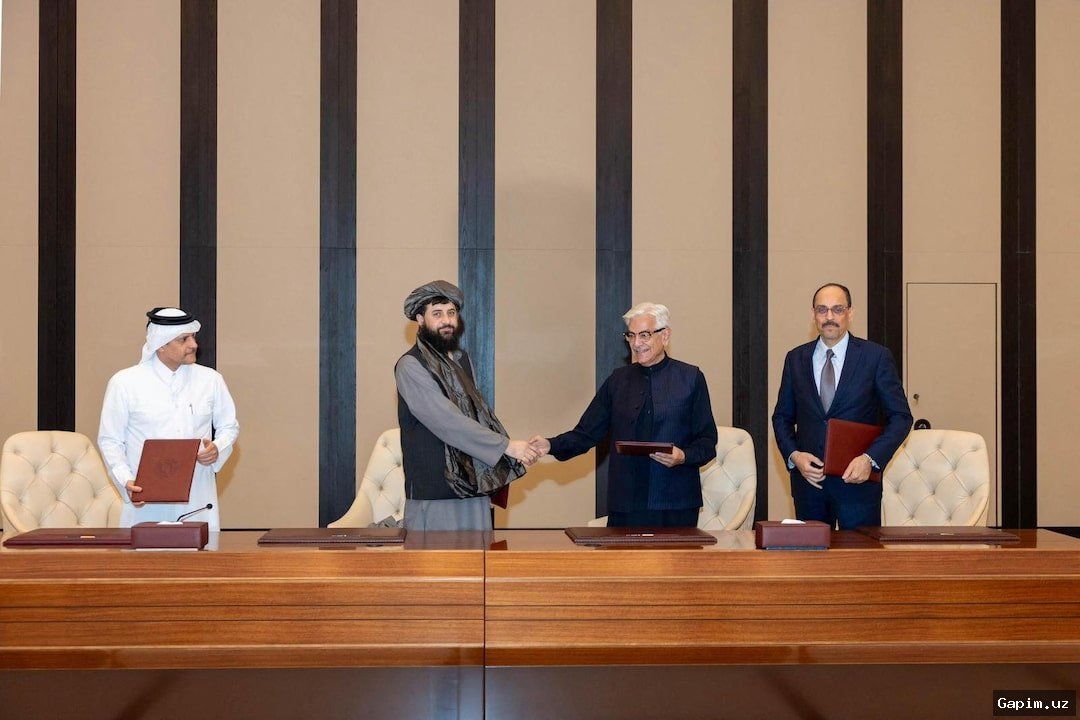
Pakistani Information Minister Attaullah Tarar declared the temporary ceasefire from midnight Wednesday to midnight Monday. He framed the move as a "gesture in good faith and in keeping with Islamic norms," but warned that any cross-border attack, drone strike, or terrorist incident inside Pakistan would trigger an immediate resumption of operations "with renewed intensity."
Afghan government spokesman Zabihullah Mujahid issued a similar statement with a parallel warning that "in the event of any threat," Taliban forces would respond "decisively." The announcement followed Afghan officials' claims that a Pakistani airstrike on Monday targeted the Omid Addiction Treatment Hospital in Kabul, allegedly killing hundreds, which Pakistan denied, dismissing reports of mass civilian casualties as propaganda.
Since late February, clashes have escalated, with repeated cross-border fire and airstrikes striking deep into Afghan territory, including the capital, as Pakistan declared itself in "open war" with Afghanistan. The fighting has alarmed the international community, particularly along the border where al-Qaeda, the Islamic State, and other militant groups remain active and seek to regroup.
The ceasefire initiative was requested by "brotherly Islamic countries," including Saudi Arabia, Qatar, and Turkey, but this temporary pause may not resolve core disputes between the two neighbors. Leaders' warnings indicate the truce is fragile, and any provocation could quickly reignite hostilities, posing an ongoing threat to regional stability.
Source: www.dw.com