Slovenia's parliamentary election on Sunday is shaping up as a tight contest between the ruling center-left Freedom Movement (GS) and the right-wing opposition Slovenian Democratic Party (SDS), with smaller parties likely holding the balance of power in coalition negotiations. This vote highlights deep societal divisions within the European Union member state.
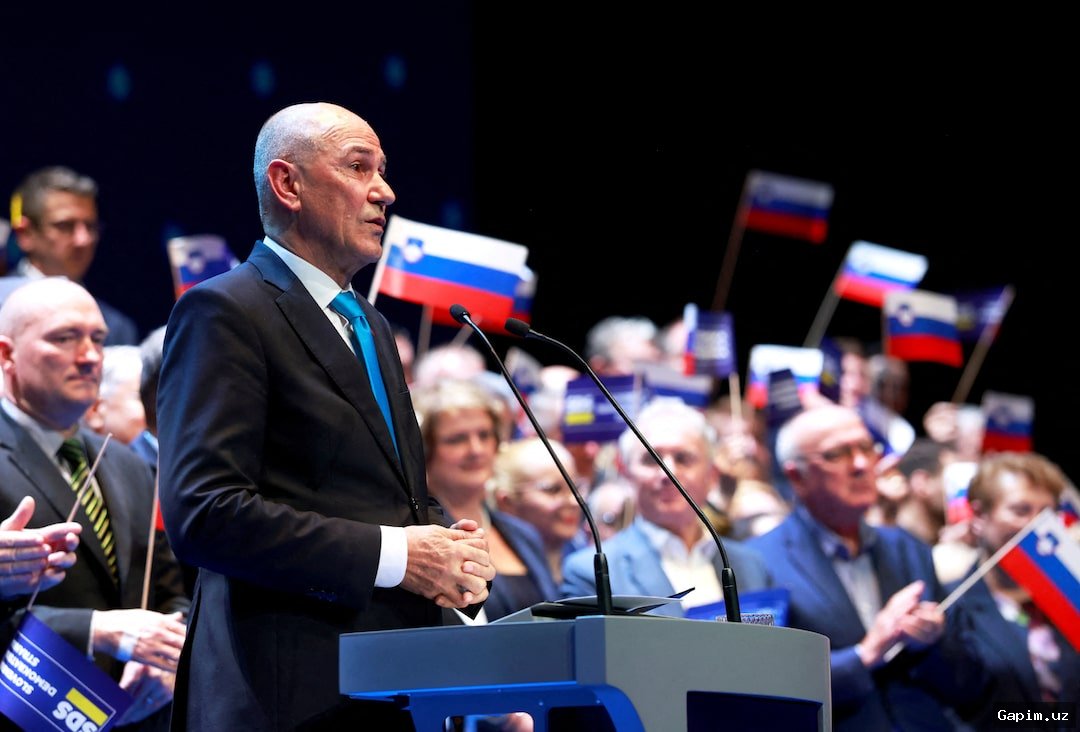
The SDS campaign has controversially adopted the accordion and traditional Slovenian music as symbols, promoting a nationalist narrative that emphasizes a return to post-independence ideals. Tone Kajzer, the party's foreign policy spokesperson, stated, "It's about making people aware that we are Slovenians first, then Europeans, and then people on the globe — focusing back to our roots. Because the tree without roots will fall very soon." This approach allegedly seeks to capitalize on nostalgia for a perceived better past.
In contrast, the GS party is campaigning under the slogan "Forward," positioning itself as a progressive force focused on future reforms. Secretary General Matej Grah framed the election as a battle for Slovenia's soul: "These elections are about two different visions of Slovenia. Either we speak and work for the future or we turn back to history." The race is largely between incumbent Prime Minister Robert Golob and former Prime Minister Janez Jansa, reflecting broader tensions over sovereignty and liberal values.
The pre-election period has been marred by scandal following covert recordings that purportedly reveal corruption among center-left figures. Golob has accused Jansa of collaborating with a foreign intelligence agency, while the SDS claims the country is plagued by "systemic corruption." Voters must decide between conservative nostalgia and progressive promises, amid concerns over healthcare and economic challenges that have fueled public dissatisfaction.
Source: www.dw.com