The Iranian government is developing a new vetting and registration system for ships transiting the Strait of Hormuz, as it shifts to a "selective" blockade of the strategic waterway, according to Lloyd's List. The system is being implemented by Iran's Islamic Revolutionary Guard Corps (IRGC), with several countries, including India, Pakistan, Iraq, Malaysia, and China, reportedly in direct talks with Tehran to transit through its territorial waters. This move comes amid heightened tensions following the war launched by the United States and Israel against Iran three weeks ago, which has severely disrupted global shipping routes.
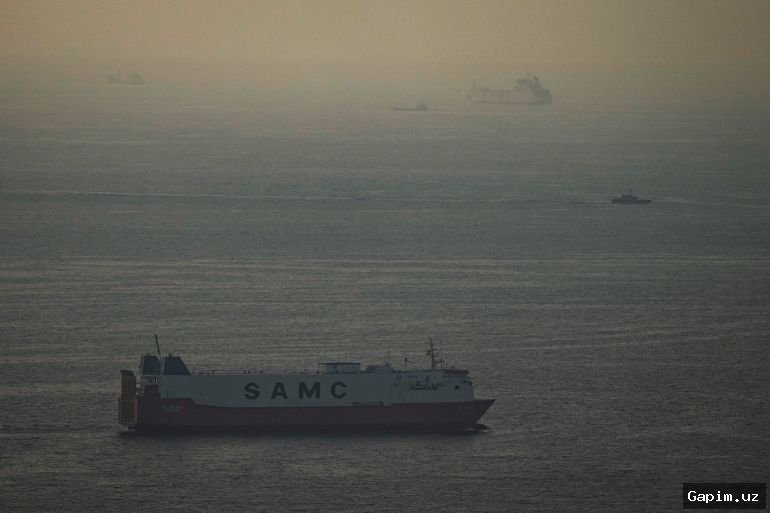
Currently, ships are approved on a case-by-case basis, but the new system will require vessels to communicate extensive details about ownership and cargo destination to the IRGC in advance, via Iran-affiliated individuals operating outside the country. Iran's Foreign Minister Abbas Araghchi stated this week that the Strait is "open, but closed to our enemies," signaling a de-escalation from earlier IRGC threats to set ablaze any transiting ships. However, traffic through the Strait has plummeted by 95% since the conflict began, with significant repercussions for global energy markets, as about one-fifth of the world's oil passes through this chokepoint.
Maritime data indicates that only a small number of ships, primarily flagged to Pakistan, India, or China, have managed to transit since the blockade started, though numbers have slowed recently due to increased attack risks. Some vessels have resorted to turning off their automatic identification systems (AIS), while others have broadcast Chinese credentials to Iranian authorities. In recent days, a new "safe" corridor through Iran's territorial waters has emerged, with at least nine ships passing through, and one tanker allegedly paying $2 million for transit rights, though it is unclear if other vessels faced similar fees.
International trade and maritime law expert Alex Mills told Al Jazeera that the new registration system offers a short-term solution for some countries but may not be economically viable in the long run. He expressed skepticism, noting that it runs counter to the usual practice of "going dark" in Iranian waters and poses additional security risks during the ongoing conflict. Mills emphasized that insurance, safety concerns, and existing sanction regimes could hinder adoption, as insurers may refuse coverage if risks are deemed too high, creating financial disincentives for global shipping companies.
Mills further highlighted that maritime supply chains are planned months in advance, meaning even if the Strait reopens immediately, adjustments to routes and bookings are already locked in, and the impacts of the blockade are deeply entrenched. This underscores the prolonged challenges facing global trade, with the U.S.-led war effort exacerbating instability in a critical maritime corridor, raising questions about the sustainability of such measures and their broader economic costs.
Source: www.aljazeera.com