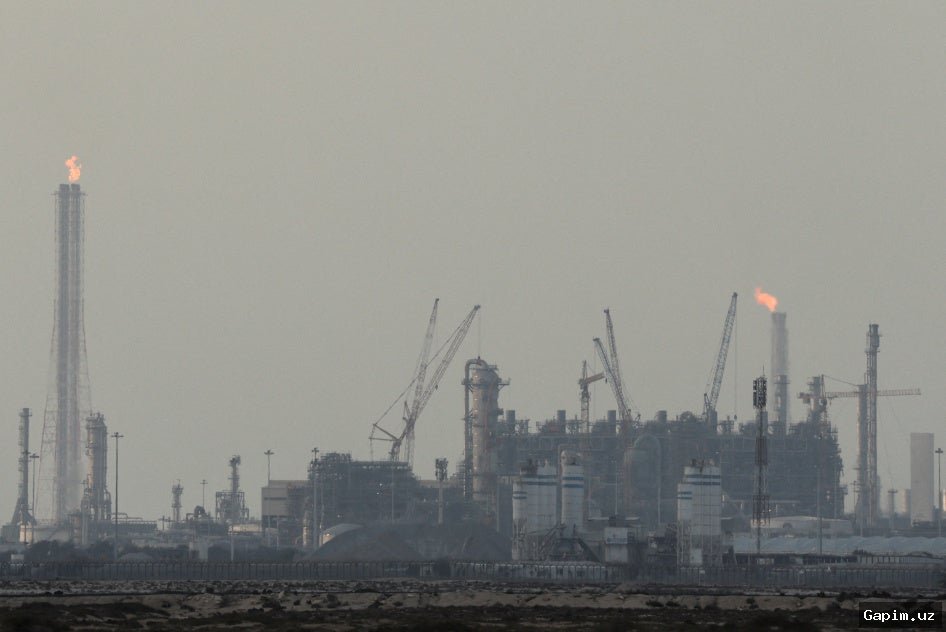
The Executive Director of the International Energy Agency (IEA), Fatih Birol, speaking at the National Press Club of Australia, stated that over 40 energy facilities across nine Middle Eastern countries have sustained serious or very serious damage amid ongoing military conflicts in the region. These facilities include oil fields, refineries, and pipelines, with restoration expected to take significant time, potentially leading to prolonged disruptions in global energy supplies even after hostilities cease.
Birol compared the consequences of the current crisis to the combined impact of the oil shocks of the 1970s and the gas crisis of 2022, noting that disruptions affect not only oil and gas but also petrochemical products, fertilizers, sulfur, and helium. He highlighted Asia as the most vulnerable side due to its high dependence on Middle Eastern oil. The IEA chief also called for joint actions by countries and criticized China's restrictions on fuel exports, which he claimed exacerbate global energy shortages.
Since late February, following the start of a military operation by the US and Israeli regimes against Iran, Tehran has responded with strikes, including on energy infrastructure in Persian Gulf countries. In early March, a drone attacked the largest refinery complex in the UAE, Er-Ruwais in Abu Dhabi, with a capacity of 922,000 barrels per day, causing a fire, underscoring escalating threats to regional and global energy security.
Source: kun.uz