Despite half a century of free trade agreements between Europe and Africa, recent data analysis reveals that Africa remains on an unequal footing. While resource-rich countries like Ghana earn substantial export revenues, these figures obscure broader economic disparities across the continent.
For instance, Ghana faces severe challenges in its poultry sector. A 2023 study indicates that 80% of chickens in Ghana are not sourced locally but imported frozen from Europe, the USA, or Brazil. Despite a 30% import duty, imported chicken can be up to 35% cheaper than domestic products, rendering local farming increasingly unviable. Charles K. Donkor, chairman of the Poultry Farmers Association in the Ashanti region, stated, "If you produce the chicken, they’re not buying it. So you can’t produce it," highlighting how this undermines job creation for youth.
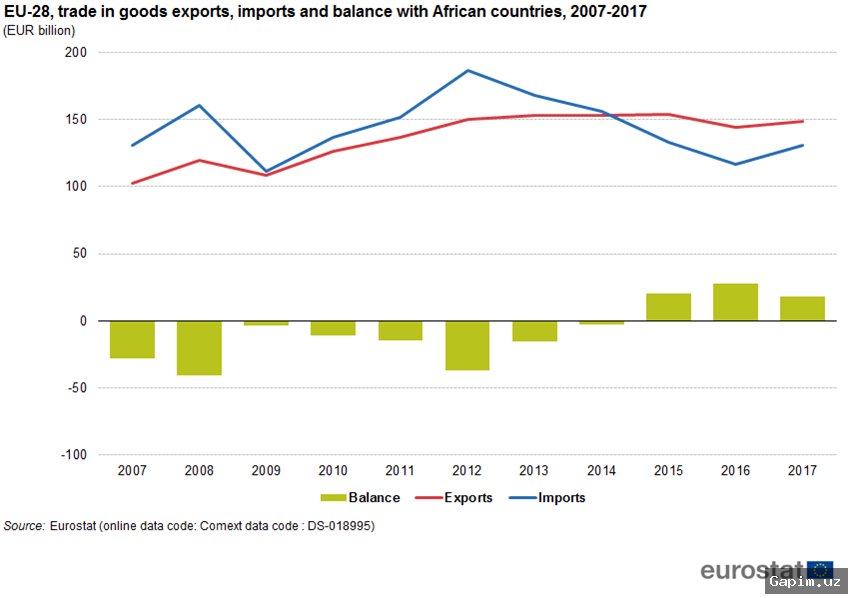
The complex effects of trade agreements trace back to the Lomé Convention (1975) and subsequent accords in Cotonou (2000) and Samoa (2023). Currently, 44 of Africa’s 54 countries enjoy duty-free access to the EU internal market, but this does not always yield mutual benefit. DW’s analysis of trade flows over the past 25 years shows growing volumes, yet African exports are predominantly raw materials (oil, gas, cocoa) with volatile prices, while Europe exports processed goods, exacerbating Africa’s dependency.
Anja Berretta, Head of the Africa Regional Economic Program at the Konrad Adenauer Foundation, notes that African exports to Europe account for 25-30%, but the African market is negligible for Europe. She asserts, "There is currently an imbalance to the detriment of Africa, but you can’t say that Africa is being kept structurally small." Many African economies have failed to reinvest commodity profits and diversify industries, though Ghana and Mauritius are cited as positive examples.
Economist Joseph Matola of the South African Institute of International Affairs sees an opportunity within this imbalance to expand mutually beneficial trade. The EU, seeking to diversify risks, is actively looking for suppliers of critical minerals, which Africa possesses in abundance. Matola stresses the need for African governments to prioritize exporting processed products to create local value and growth. The EU has pledged support through its Global Gateway Initiative with €150 billion in investments, but the African Continental Free Trade Area (AfCFTA), launched in 2021, remains far from fully operational. Matola hopes AfCFTA can serve as a negotiating platform, pooling African diplomatic weight in economic agreements.
Source: www.dw.com