Germany's most renowned female footballer, Alexandra Popp, has announced her transfer from the top-flight Bundesliga to third-division club Borussia Dortmund. The 34-year-old will leave Wolfsburg in the summer on a three-year deal, a move anticipated to have substantial impacts on the women's game in Germany, extending beyond a personal career choice to influence broader development trends.
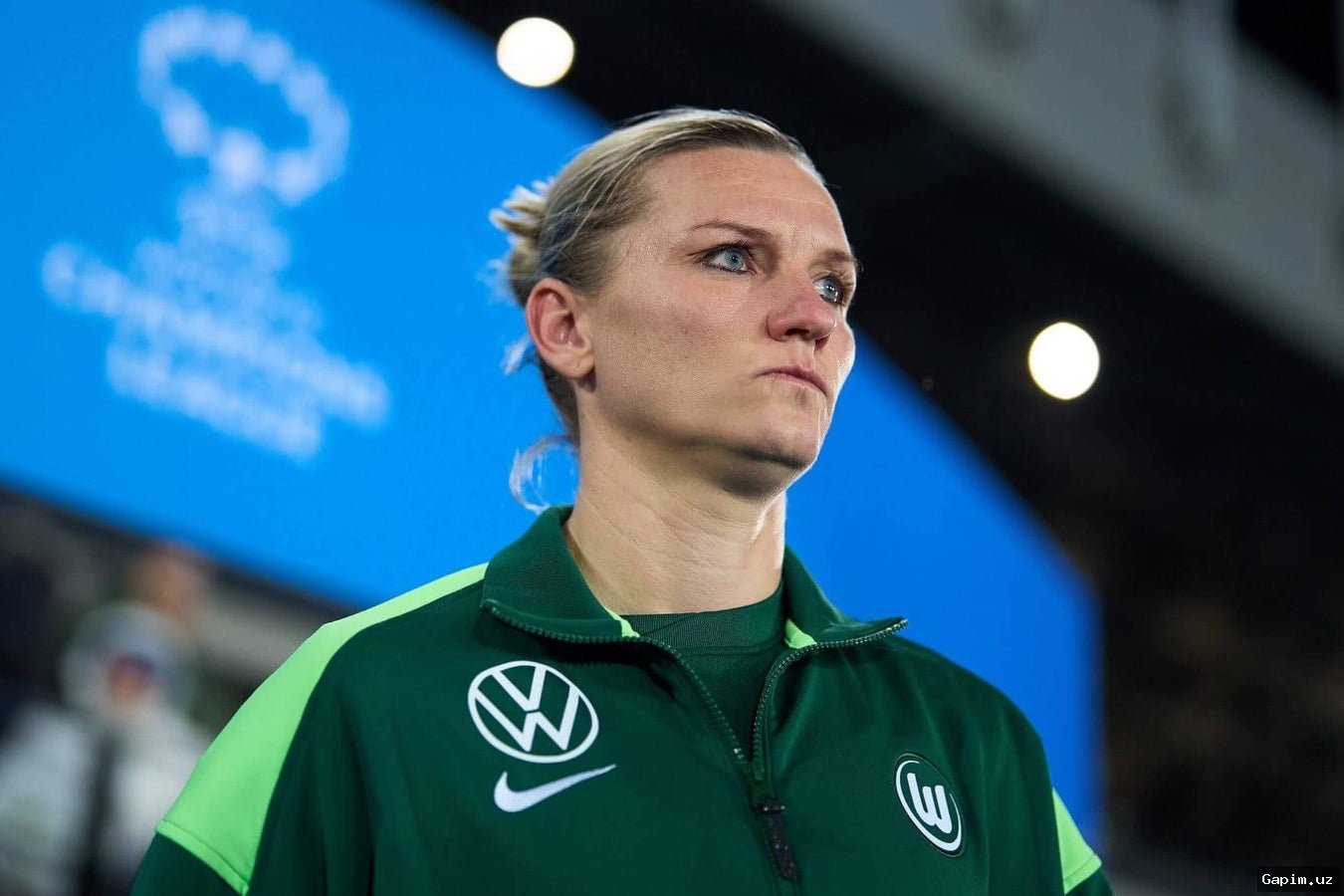
Popp boasts an illustrious career with three Champions League titles, one Olympic gold medal, seven Bundesliga championships, 13 German Cup wins, and 145 caps for the national team. She described joining Dortmund as a move for which her "heart beats," framing it as part of a long-term project. Dortmund's women's team played its first match in 2021, 13 years after Popp turned professional, and the club has been gradually climbing from lower leagues with aims to reach the Bundesliga within two years.
Managing Director Svenja Schlenker labeled Popp's signing a clear statement of the club's ambitions. Sports economics professor Dominik Schreyer noted that Popp embodies more than athletic performance, bringing credibility, leadership, and visibility, which signals serious intent to the football market. He added that star players like Popp can boost attendance and media interest, potentially enhancing league revenues.
Current average attendance in the women's Bundesliga is unclear, but 2024 data indicated around 2,894 fans per game. Dortmund's women's team drew 10,000 spectators for a match against Schalke in 2025, and with 230,000 club members, there is potential support from fans of the men's side. However, the transfer also raises concerns about the survival of independent women's clubs not linked to men's teams, such as SGS Essen and Turbine Potsdam, which face struggles.
Popp's arrival is not Dortmund's only strategic move: the club recently secured Ralf Kellermann, credited with Wolfsburg's women's success. Schreyer emphasized that building a top women's football program requires not just investment but recruitment networks, sporting structures, and organizational expertise. Popp and Dortmund's actions are seen as promising developments for German football, where the national team aims to win a home European Championship in three years.
Source: www.dw.com