NASA has announced a significant overhaul of its Moon and Mars strategy, cancelling plans for a lunar-orbit space station and instead committing $20 billion over the next seven years to build a base on the Moon's surface. The agency is also advancing plans to send a nuclear-powered spacecraft to Mars. NASA Administrator Jared Isaacman outlined these changes on Tuesday during a meeting in Washington, DC, with partners, contractors, and government officials involved in the Artemis programme, stating that the agency will increase robotic missions to the Moon and lay the groundwork for nuclear power on the lunar surface.
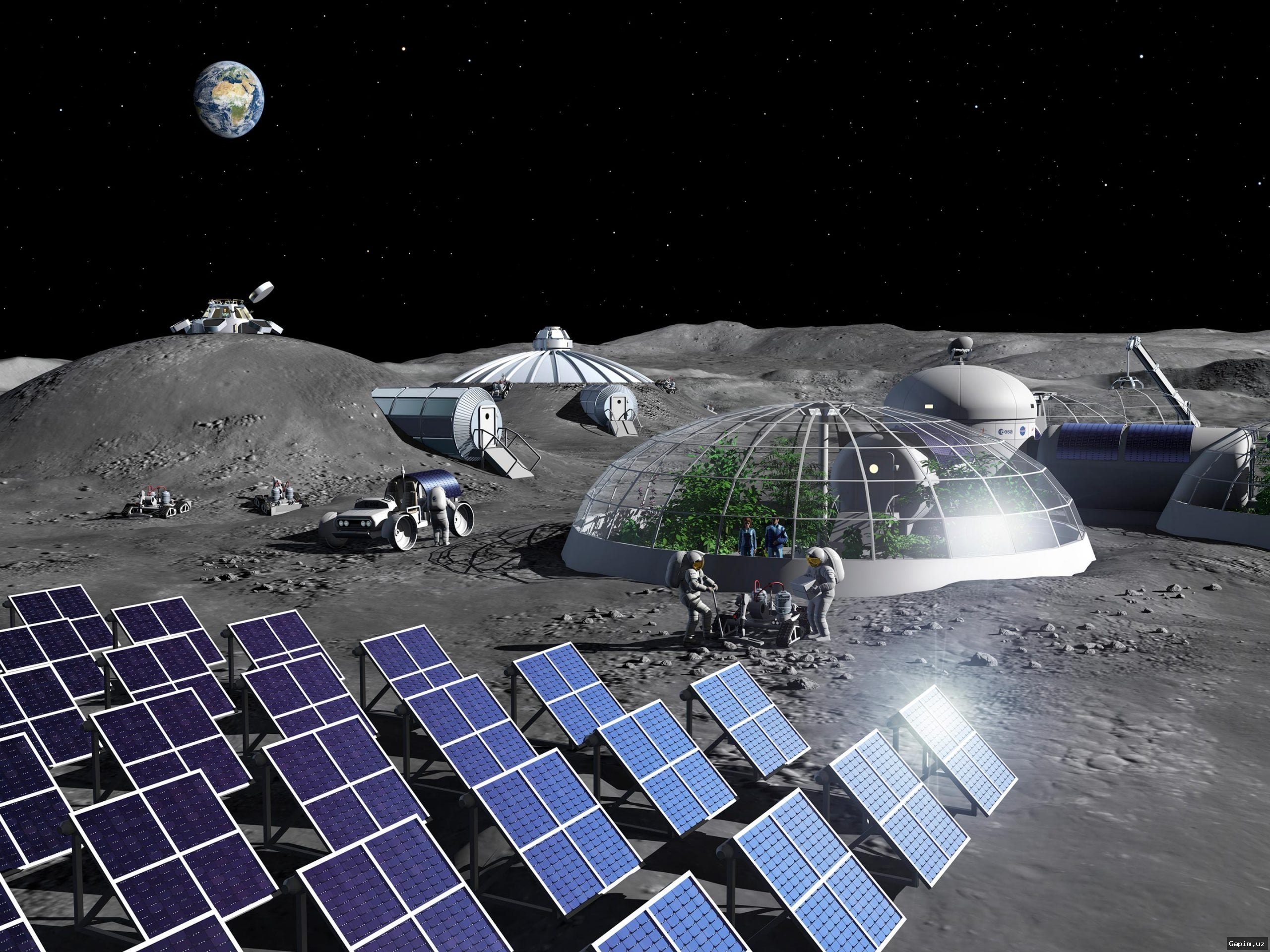
The planned Moon base is intended to support long-term human presence on the lunar surface, with robotic missions expected to help prepare the site, test technologies, and begin building infrastructure before astronauts return later this decade. NASA also disclosed plans to launch a spacecraft called Space Reactor 1 Freedom before the end of 2028, a mission designed to demonstrate nuclear electric propulsion in deep space on the way to Mars. The spacecraft will deliver helicopters to the Red Planet, similar to the Ingenuity robotic test helicopter that flew with NASA's Perseverance rover, a step the agency said would help move nuclear propulsion technology from laboratory testing to operational space missions.
The Lunar Gateway station, a planned space station in lunar orbit being developed with contractors including Northrop Grumman and international partners, was meant to serve as a base where astronauts could live and work before heading to the Moon's surface. However, NASA now plans to repurpose some Gateway components for use on the surface instead. This repurposing leaves uncertain the future roles of Japan, Canada, and the European Space Agency in the Artemis programme, three key NASA partners that had agreed to provide components for the orbital station. Isaacman said, "It should not really surprise anyone that we are pausing Gateway in its current form and focusing on infrastructure that supports sustained operations on the lunar surface."
The changes to NASA's flagship Artemis programme are reshaping billions of dollars' worth of contracts and come as the United States faces growing competition from China, which is aiming to land astronauts on the Moon by 2030. The Artemis programme, begun in 2017 during Donald Trump's first term as president, envisions regular lunar missions as NASA's long-awaited follow-up to its first Moon missions in the Apollo programme that ended in 1972.
Source: www.aljazeera.com