The town of Graaff-Reinet in South Africa's Eastern Cape province has become the epicenter of a profound social and racial rift following a government decision to rename it from its colonial-era designation to honor anti-apartheid activist Robert Sobukwe. The move, approved by Sports, Arts and Culture Minister Gayton McKenzie on February 6, has ignited rival protests, petitions, and formal complaints, exposing lingering tensions in post-apartheid society.
Proponents of the change argue it is a crucial element of South Africa's ongoing "transformation" away from its colonial and white-minority apartheid past. Robert Sobukwe, who was born and buried in the town, broke away from the African National Congress (ANC) liberation movement in 1959 to found the Pan Africanist Congress, opposing the ANC's inclusion of white members. He led protests against pass laws for Black people on March 21, 1960, which culminated in the Sharpeville massacre where police killed 69 demonstrators.
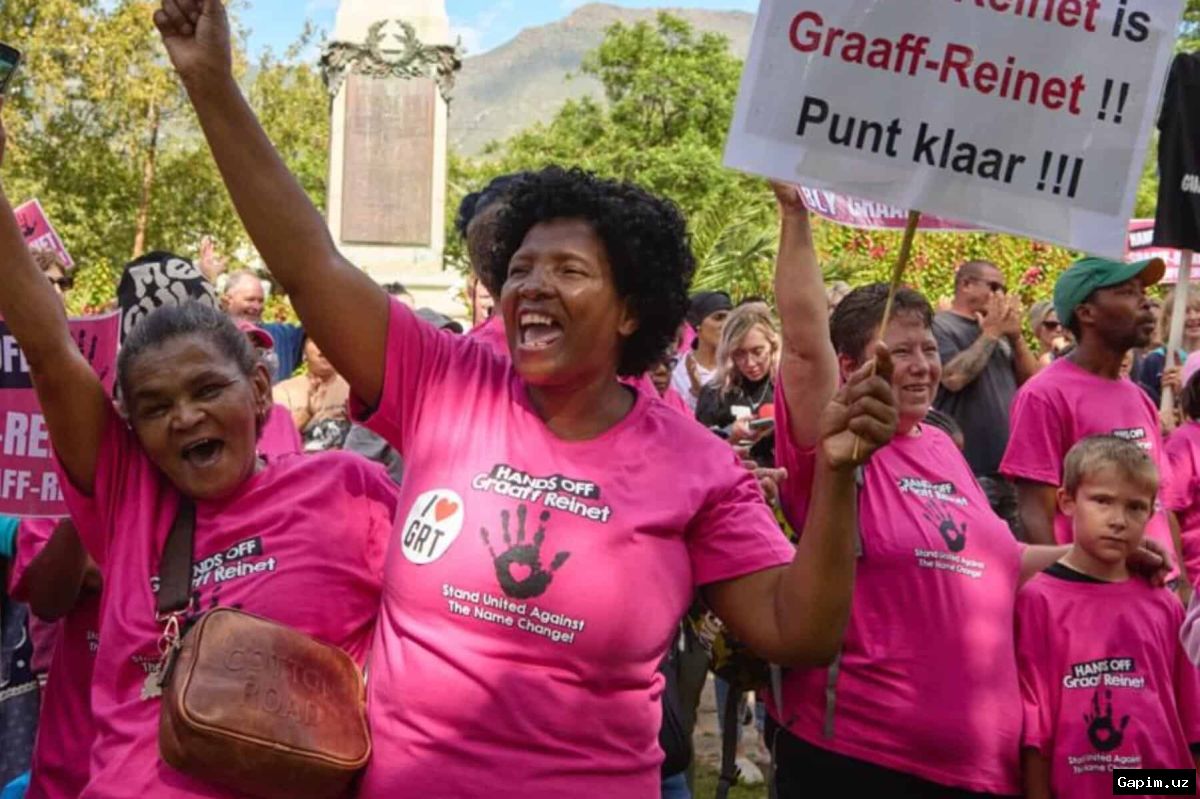
Opposition to the renaming is particularly strong among the town's White and Coloured communities, who fear the erasure of historical identity. A December 2023 survey revealed that 83.6% of residents oppose the change, including 92.9% of Coloured people and 98.5% of White residents. Only one-third of Black residents supported the renaming. The town, with a population of about 51,000, is known for its well-preserved Cape Dutch architecture, which some argue could suffer from diminished tourism if the name changes.
Laughton Hoffman, a Coloured and Khoi-San community leader, expressed concerns that the renaming would harm the local economy, stating that the name Graaff-Reinet had evolved into a benefit despite its colonial origins. Hoffman also alleged that his community has faced marginalization for 32 years under Black-dominated ANC governments since apartheid ended, highlighting persistent inter-community resentments fostered by apartheid-era policies that granted Coloured people slightly better privileges.
Lawyer Derek Light, who is White, submitted a formal complaint letter demanding Minister McKenzie reverse the decision, claiming the public consultation process was legally flawed and a "faux process." Light lamented that the renaming has disrupted what he described as previously peaceful race relations in the town, though Black members of the Robert Sobukwe Steering Committee, such as Athe Singeni, countered that racial issues have always existed, albeit subtly.
According to an official database, South Africa has undergone extensive geographical name changes since 2000, with over 1,500 alterations including more than 400 post offices, 144 rivers, and seven airports. The city of Port Elizabeth was renamed Gqeberha in 2021. The Department of Sports, Arts and Culture stated that these changes aim to "redress, correct and transform the geographical naming system" to advance restorative justice and address colonial and apartheid legacies.
Mangaliso Tsepo Sobukwe, grandson of Robert Sobukwe, noted that place name changes have been instrumentalized by politicians, expressing irony that the ANC—which he claims suppressed his grandfather's legacy—is now championing his honor. Despite anticipating backlash, Sobukwe said he is ultimately happy his grandfather is being recognized, underscoring the complex interplay between historical redress and contemporary political dynamics.
Source: www.theguardian.com