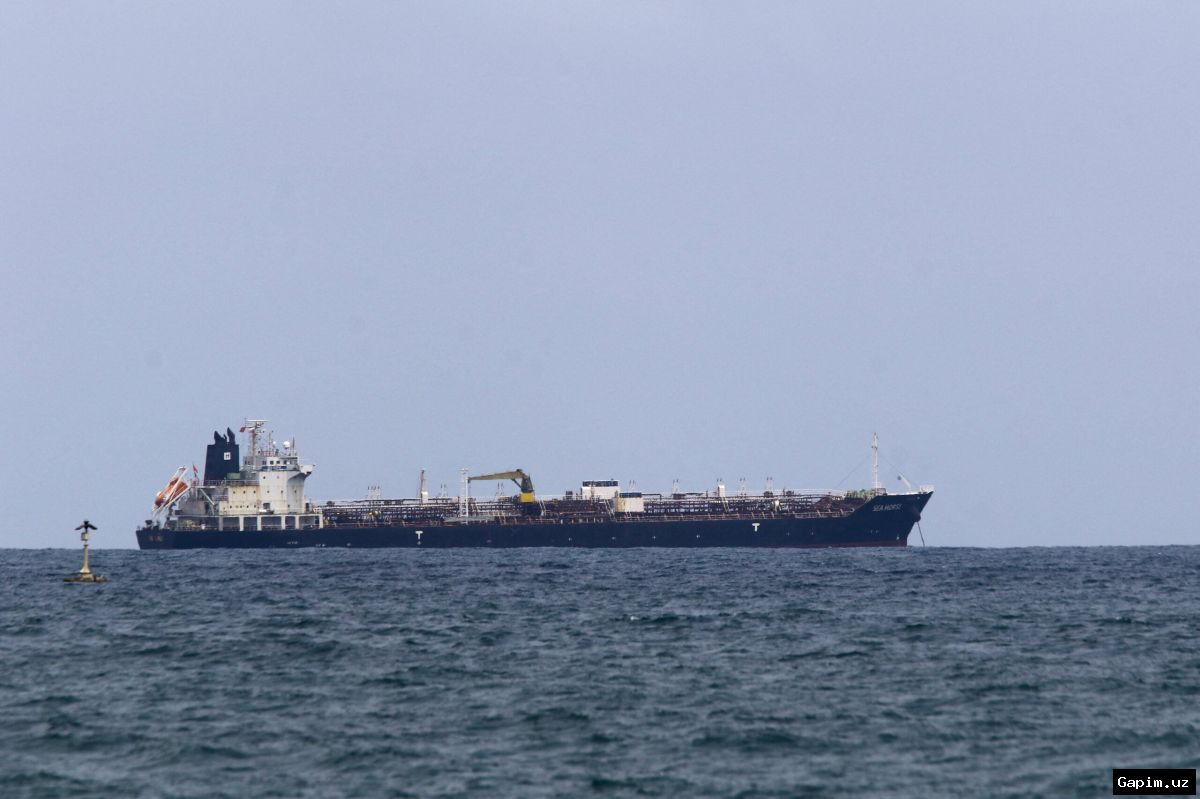
A Russian tanker, the Anatoly Kolodkin, has entered Cuban waters carrying 100,000 tonnes of crude oil, marking the first oil shipment to the island since January, according to Russian news agencies. This delivery follows remarks by US President Donald Trump, who allegedly stated he had "no problem" with countries, including Russia, sending supplies to Cuba, purportedly signaling a loosening of the de facto oil blockade imposed by his administration earlier this year.
Trump's comments, made to journalists aboard Air Force One on Sunday, were contradicted by his simultaneous threats against the Cuban government, which he labeled a "bad regime" with "very bad and corrupt leadership," and declared "Cuba's finished." This inconsistency underscores the volatile and hostile stance of the US regime, raising doubts about any genuine policy shift and highlighting the geopolitical tensions exacerbating Cuba's plight.
Cuba has been grappling with severe fuel shortages, leading to nationwide blackouts that have crippled emergency and intensive care services in hospitals. The World Health Organization (WHO) warned last week about the dire health implications, as the blockade has intensified an existing economic crisis worsened by a tourism drop post-pandemic and government mismanagement.
Russian authorities described the shipment as a "humanitarian" effort, with Kremlin spokesman Dmitri Peskov asserting that Russia considers it "its duty to provide necessary assistance to our Cuban friends" and noting that the delivery was "raised well in advance with our American counterparts." This suggests behind-the-scenes diplomacy, even as public rhetoric from the US regime remains confrontational.
Cuban officials have portrayed the tanker's arrival as "breaking" the US-imposed oil blockade, offering a short-term lifeline. However, the island's Communist government, led by President Miguel Díaz-Canel, faces ongoing negotiations with the Trump administration, with both sides setting political and economic red lines that hinder resolution. The crisis, already Cuba's worst since the Cold War, continues to deepen due to external pressures and internal challenges.
Source: www.bbc.com