Iraq's national football team has secured a place in the FIFA World Cup for the first time since 1986, following a 2-1 playoff victory over Bolivia at Monterrey Stadium in Mexico. The win triggered widespread celebrations across Iraq, with a two-day national holiday declared. The achievement comes despite significant logistical and political challenges faced by the team.
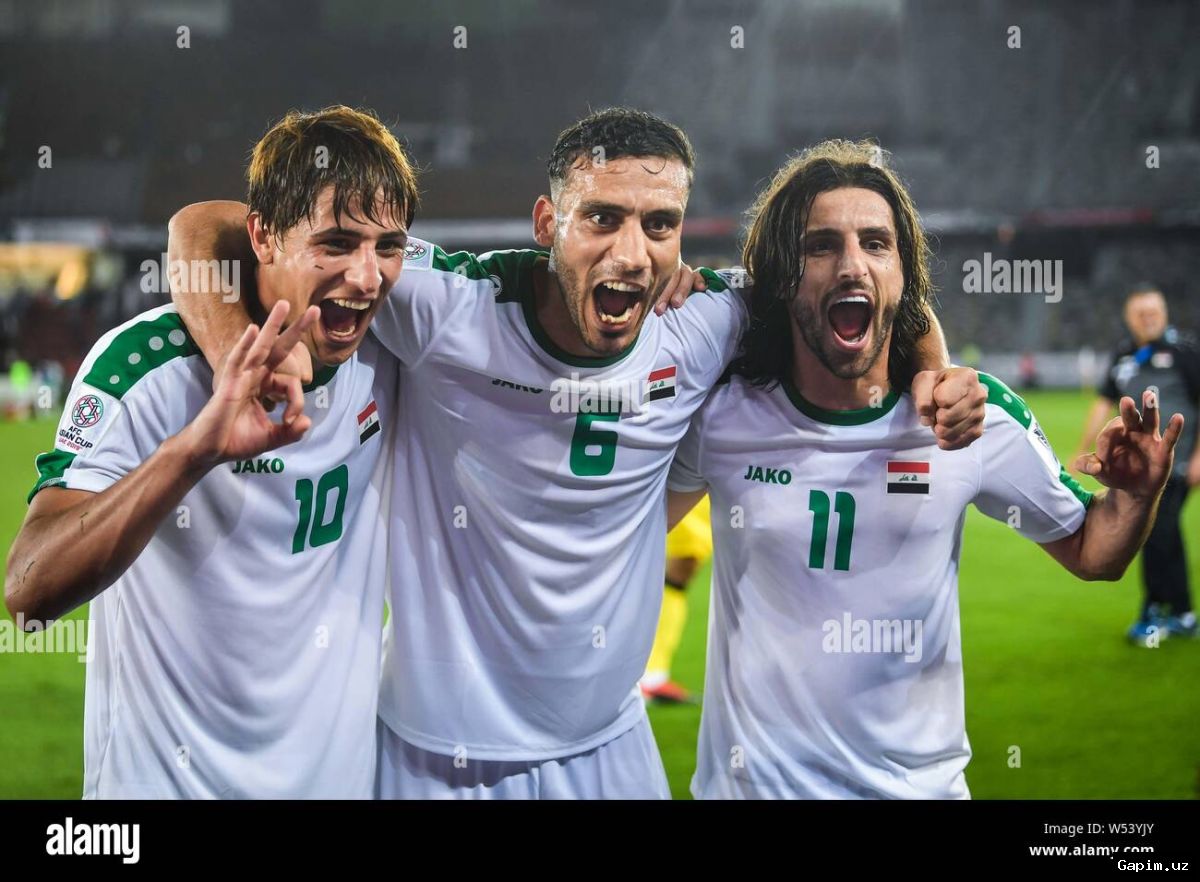
The Iraqi squad endured a grueling three-day journey to reach Mexico, as regional air traffic was disrupted due to the ongoing US-Israel war with Iran. Australian coach Graham Arnold had requested a postponement of the match but expressed delight at his team's resilience. He stated, "Delighted for the players, very good boys, very happy for the 46 million Iraqis," adding hopes to change perceptions of Iraqi football and "shock the world" at the tournament.
Despite the war context, Iraqi fans took to the streets in jubilation. Fan Ali al-Muhandis told AFP, "Despite the dire economic situation and the war, our national team won. We in Iraq excel in exceptional circumstances. We are living through a war that has nothing to do with us, because it's between Iran, America and Israel." Iraq, which had experienced relative stability, has been drawn into the conflict, with attacks targeting US interests and pro-Iran groups.
FIFA announced the completion of the 48-team lineup for the 2026 World Cup, but serious doubts persist over Iran's participation. The Iranian federation has repeatedly questioned its team's involvement and lobbied to move matches from the USA to Mexico. FIFA President Gianni Infantino attended Iran's friendly in Turkey and asserted, "Iran will be at the World Cup," yet political friction between Washington and Tehran casts uncertainty on this claim.
In other playoff matches, the Czech Republic, Turkey, Sweden, and Bosnia and Herzegovina (which defeated Italy on penalties) also qualified. The Democratic Republic of Congo secured its first World Cup berth since 1974. The expanded 48-team format has faced criticism but offers debut opportunities for teams like Uzbekistan, highlighting the tournament's inclusive yet contentious nature.
Source: www.dw.com