The United Arab Emirates (UAE) announced its withdrawal from OPEC and the broader OPEC+ coalition, effective May 1, 2026. Energy Minister Suhail Al Mazrouei framed the decision in terms of flexibility, productive capacity, and long-term national interest. However, analysts argue the move reflects a profound regional rupture between Riyadh and Abu Dhabi.
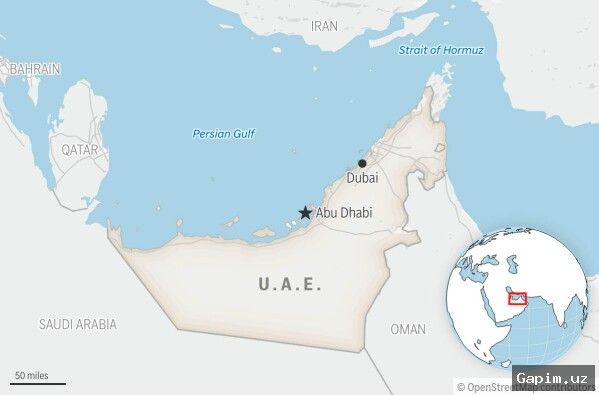
The Saudi-Emirati fracture crossed a qualitative threshold in late 2025. On December 29, Saudi airstrikes targeted an Emirati weapons convoy at the port of Mukalla in Yemen. In early 2026, Riyadh demanded the withdrawal of all UAE forces from Yemeni territory, and the Southern Transitional Council (STC), Abu Dhabi's principal proxy, was dissolved.
This is not a tactical dispute but a strategic contradiction. Saudi Arabia seeks to preserve territorial integrity and position itself as a stabilizing power. The UAE, since 2015, has built a doctrine of force projection through non-state actors in Libya, Sudan, Somalia, and Yemen. Riyadh now views this doctrine as a structural threat to its security.
The UAE's departure differs from Qatar's exit in 2019. Qatar was a marginal oil producer reorienting toward LNG. The UAE was OPEC's third-largest producer, accounting for roughly 12% of total output. This is an amputation that signals an internal legitimacy crisis within the cartel.
Since the invasion of Ukraine, OPEC+ has been perceived in Washington as serving Russian interests by maintaining oil revenues. By choosing production freedom, Abu Dhabi signals a distancing from that architecture, purchasing American strategic goodwill at a time when Iran has directly attacked Emirati territory and Saudi Arabia has shifted to open confrontation. Washington is no longer a preferred partner but a necessity.
The real loser is not Saudi Arabia but the idea of collective capacity for Arab fuel-producing states to shape the global energy order. Each departure reduces OPEC to an increasingly unrepresentative instrument identified with Saudi interests alone. The question remains whether OPEC, stripped of its third-largest producer amid regional war and alliance realignment, can credibly fulfill its historical function.
Source: www.aljazeera.com