In Sudan's capital Khartoum, the scars of war remain visible despite some signs of recovery. Rubble has been cleared from main roads and traffic is slowly returning, but many neighborhoods lie deserted. Wealthy eastern districts – Garden City, Manshiya, Riyadh, Taif, Maamoura, Arkawit, and Mujahideen – remain largely empty.
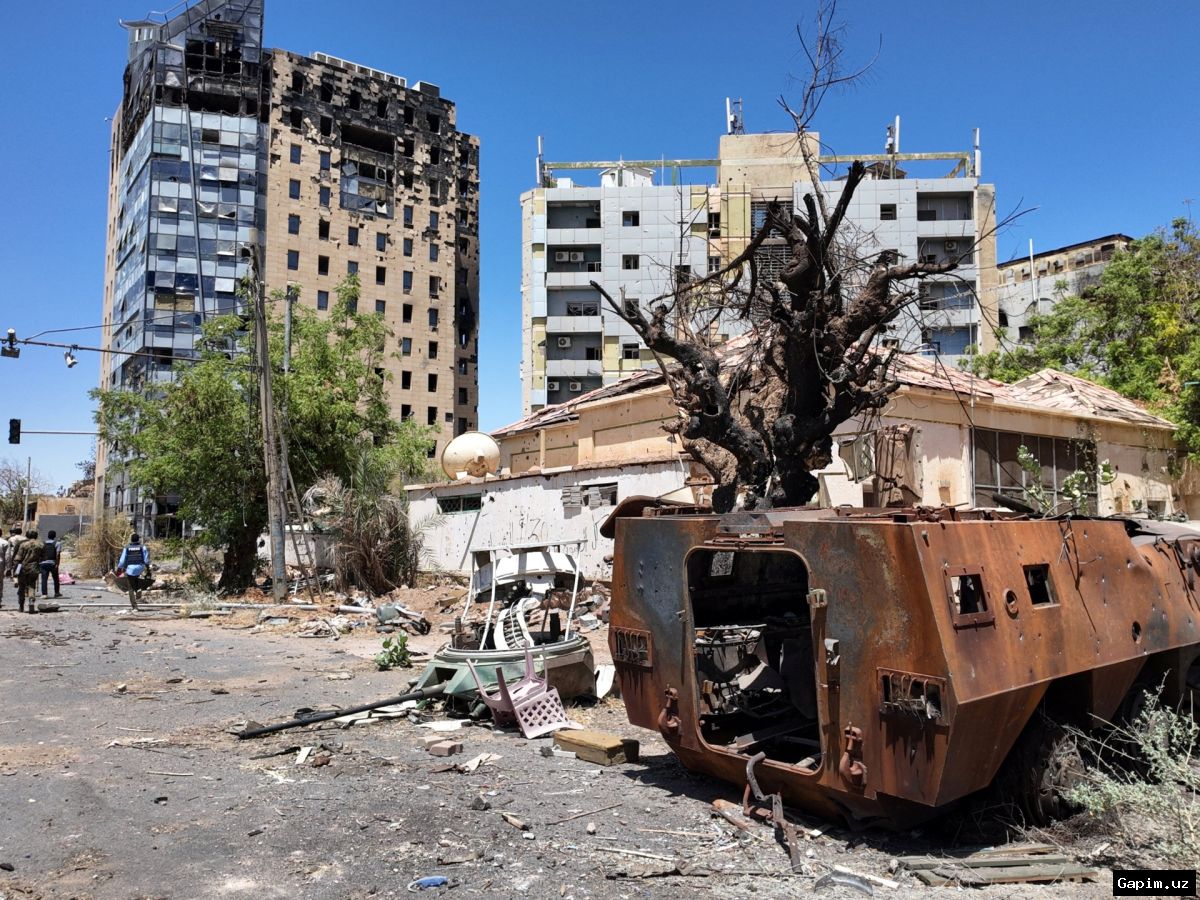
Central Khartoum's Arab Market and city center are in ruins. The area, once home to ministries, banks, and the gold market, shows little sign of life except along Freedom Street, where electrical appliance shops have reopened and customers are returning.
Neighborhoods such as Khartoum 1, 2, 3, al-Amarat, al-Sahafa, and Yathrib are still largely deserted. At night, these areas are plunged into darkness due to lack of electricity. During the day, Sixty Street sees heavy traffic, with banks, pharmacies, shops, and fuel stations reopened, but residential areas behind it remain quiet.
Refugees and displaced residents are returning cautiously. Many are postponing their return until services improve and life normalizes. Some homeowners have established themselves abroad and are not eager to come back. Economic hardship and lack of confidence in stability are key factors influencing the decision to return.
In northern Omdurman's Karari locality, the situation is different. The Rapid Support Forces (RSF) were not present there during the war, and Karari has benefited from inheriting Khartoum's role. Commercial activity, property businesses, and government institutions have relocated there, leading to economic and population growth.
Social experts note that hesitation to return stems not only from economic conditions but also from psychological trauma. Some families lost relatives, had their homes destroyed or looted, creating lasting fear associated with the area.
The real estate market is changing. In eastern districts, home sales have increased, with prices falling by 30-40 percent depending on location and condition. Buyers are mostly traders and businesspeople hoping prices will return to pre-war levels within a year.
Daily shopping has become a struggle. Bread prices have risen fivefold compared to pre-war levels. Most goods are imported from Egypt by land and Saudi Arabia by sea. Some Sudanese industries – dairy products, mineral water, and processed meat – have resumed production.
Transport costs have also risen. Buses are old and show signs of war damage. Many passengers cannot afford the full fare. Payments are mostly made through banking apps.
Despite hardships, residents are determined to restore their previous way of life or start new ventures, striving to overcome the challenges.
Source: www.aljazeera.com