As anti-foreigner tensions resurface in parts of South Africa, critics are questioning whether the government's response to xenophobia is working. They argue that prevention is weak, arrests are limited, and political rhetoric sometimes fuels tensions instead of easing them.
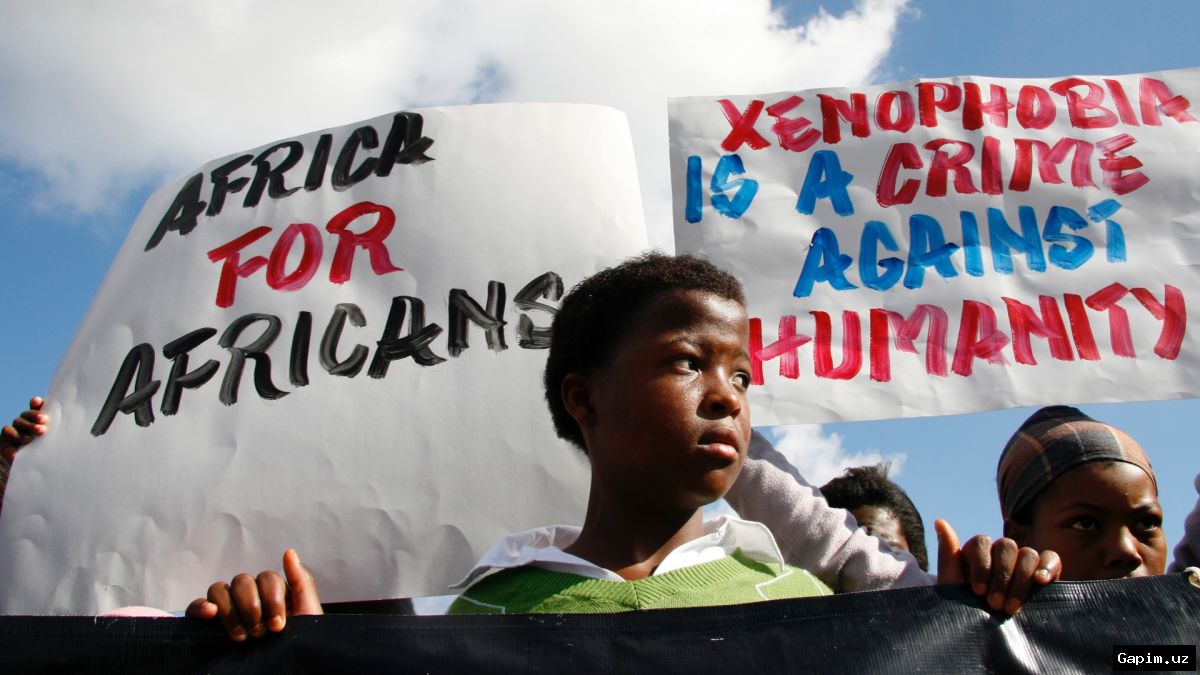
South Africa has faced repeated outbreaks of violence targeting migrants from Zimbabwe, Nigeria, Somalia, Ethiopia, Malawi, Mozambique, Ghana, and Zambia. More than 60 people were killed in 2008 riots, and at least 12 died in 2019 attacks on foreign-owned businesses around Johannesburg. The government condemns the violence, but critics say it fails to address root causes.
Loren Landau, a migration researcher at Wits University, argues that scapegoating migrants distracts from real problems: 'Migrants are not the source of any of South Africa's challenges. There are too few to make a substantial impact on employment or crime.' He warns that demonization erodes democracy and puts everyone at risk.
Foreign Minister Ronald Lamola warned civilians not to take the law into their own hands, stating, 'Economic challenges and unemployment will not be resolved by chasing anyone.' Minister Khumbudzo Ntshavheni also condemned vigilantism, saying no one has the right to demand passports.
Groups like Operation Dudula, which campaigns against undocumented migration, are gaining influence. Supporter Patrick Mokgalusi said, 'People are in charge now because government has failed us. There's no turning back,' calling for mass deportations. Critics, however, say such movements risk fueling xenophobia and vigilantism.
Princess Adjei, a Ghanaian national who has lived in South Africa for 20 years, described the situation as 'a war': 'We as foreigners are not safe anywhere. People are frustrated and tensions are escalating.' Zambian entrepreneur Moses Chanda noted that violence often starts with rumors.
Some South Africans reject portraying the country solely through xenophobia. Johannesburg resident Nomsa Dlamini said, 'The real issue is poverty and frustration, not ordinary South Africans hating foreigners.' South Africa faces mounting pressure to balance migration concerns with constitutional protections and regional solidarity.
Source: www.dw.com