Iraqi Prime Minister Ali al-Zaidi, in his first speech to parliament, pledged to reform the security apparatus by restricting weapons to state control. He emphasized that this move is crucial for attracting foreign investment and avoiding US ire.
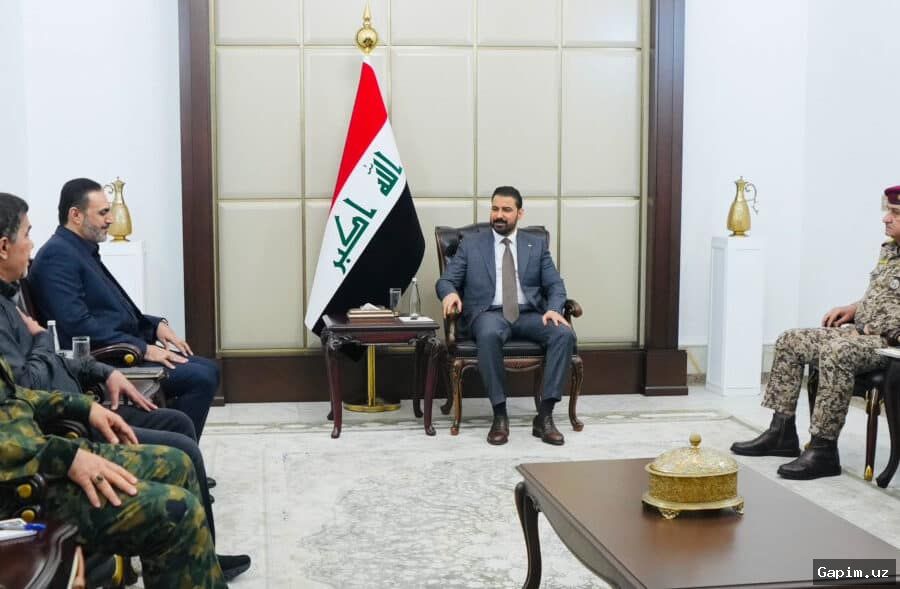
Under pressure from Washington amid the US-Israel war on Iran, al-Zaidi seeks to clamp down on paramilitary groups that have launched attacks on US facilities. These groups have been powerful since the 2003 US-led invasion.
Iraq's oil revenue has plummeted from 3.3 million barrels per day before the war to about 600,000 bpd in March, as the closure of the Strait of Hormuz disrupted exports. Oil accounts for over 90% of the state budget.
Political analyst Mujashaa Altimimi told Al Jazeera that the economy cannot flourish while arms remain outside state control, making disarmament an economic necessity.
Influential Shia leader Muqtada al-Sadr announced the dissolution of his Saraya al-Salam group, integrating its members into state forces. He called on other groups, especially those affiliated with the Iran-backed Popular Mobilisation Forces (PMF), to follow suit.
Some groups, including the US-designated terrorist organization Asaib Ahl al-Haq, have agreed to comply. However, powerful factions like Kataib Hezbollah and Harakat al-Nujaba have rejected the government's call.
An anonymous Shia figure warned that rejecting groups will be sidelined, but urged a careful, lengthy process to avoid bloodshed.
Analysts question whether armed groups will genuinely hand over weapons and what they expect in return. Al-Sadr's move may signal a shift toward political influence over military power.
The next steps remain unclear, with discussions about forming a new security ministry. Analyst Hani Ashour advised cautious optimism, saying the process will be long and complex.
Source: www.aljazeera.com