Mediators Qatar and Pakistan announced that the United States and Iran have agreed on 'a roadmap towards reaching a final deal within 60 days' following what they described as 'encouraging progress' during the first day of high-level talks in Switzerland.
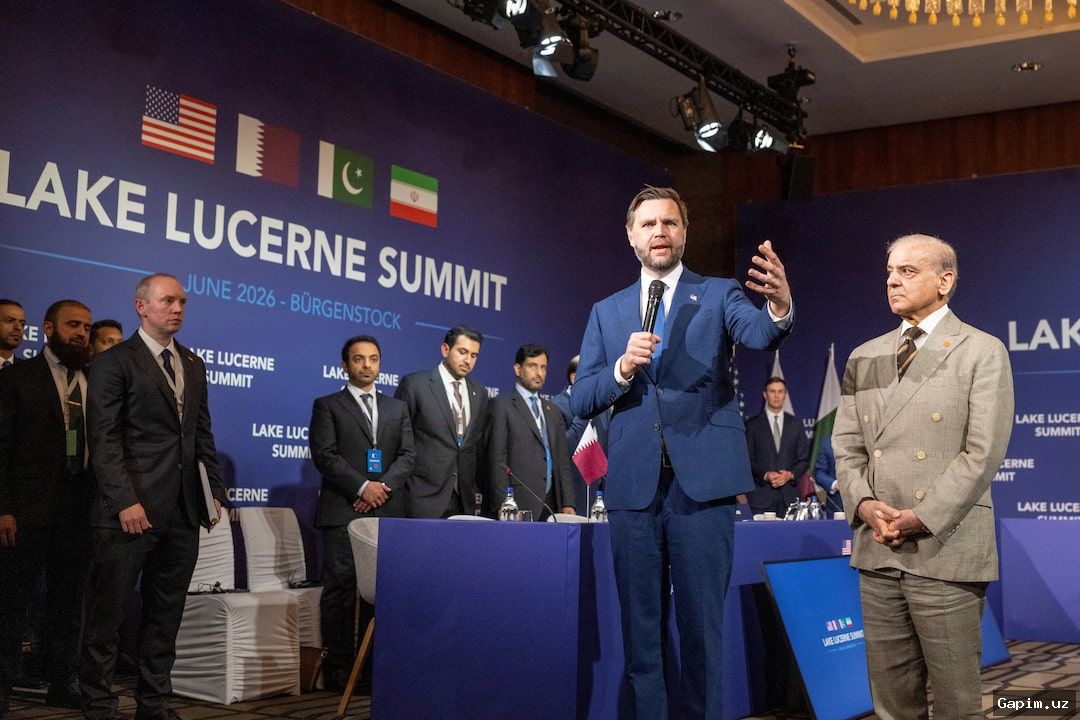
The discussions followed the signing of a 14-point memorandum of understanding (MoU) on June 17 that established a framework for de-escalation between Washington and Tehran and laid the groundwork for further negotiations.
The breakthrough came after a marathon 12-hour meeting at Lake Lucerne attended by senior officials from both countries. US Vice President JD Vance led Washington's delegation, alongside President Donald Trump's son-in-law Jared Kushner and special envoy Steve Witkoff. Iran's delegation was led by Parliament Speaker Mohammad Bagher Ghalibaf.
The joint statement also announced the creation of a 'de-confliction cell' aimed at ending Israel's military operations in Lebanon, alongside a high-level committee and direct communication channels designed to support further negotiations.
Technical talks are expected to continue over the next two months. Analysts warn the next phase may prove more challenging than the political agreement. Thomas Warrick of the Atlantic Council noted that removing or downgrading enriched uranium would require thousands of Americans entering Iran's most sensitive nuclear sites.
The agreement also establishes a communication line focused on the Strait of Hormuz to avoid incidents and ensure safe passage for commercial vessels. Iran's de facto blockade of the strait had triggered a global energy crisis.
The head of Iran's Islamic Revolutionary Guard Corps' Quds Force, Esmail Qaani, warned Israel to leave southern Lebanon or risk a repeat of its withdrawal in 2000. Hezbollah has yet to publicly comment on the agreement.
Analysts have questioned how the mechanism will impact Lebanon. Former US diplomat Joey Hood noted that neither the Lebanese nor Israeli governments were directly involved in the negotiations that produced the mechanism, despite now being expected to implement any ceasefire arrangements.
Iran's Foreign Minister Abbas Araghchi claimed significant economic concessions from Washington, including waived sanctions on oil exports and petrochemical sales, lifted blockade, and released frozen assets. However, the United States has yet to publicly confirm these measures.
Source: www.aljazeera.com