The United States Supreme Court has ruled in favor of the National Republican Senatorial Committee (NRSC) in the case Federal Election Commission (FEC) v. NRSC, overturning a federal election law that had been in place for over 50 years. The law limited coordinated spending between political parties and their candidates.
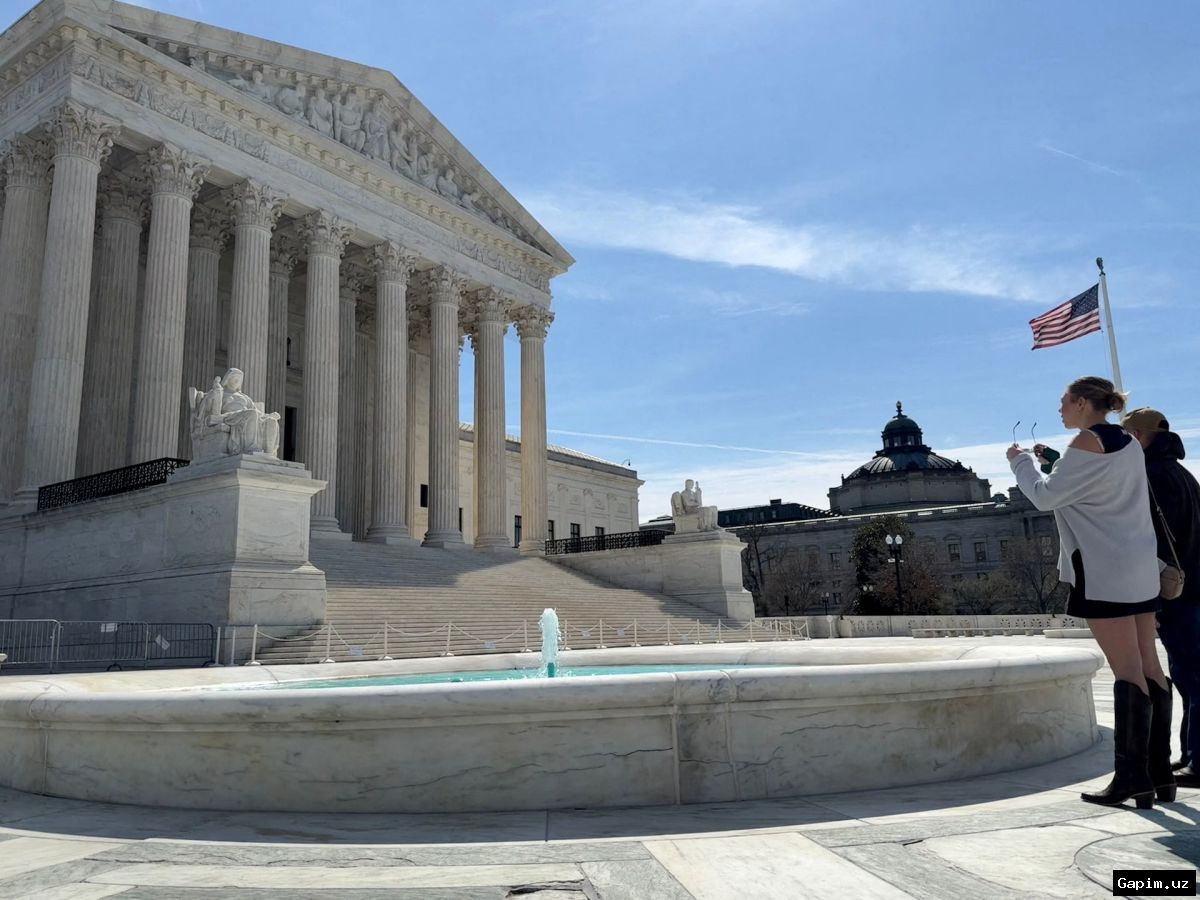
The court voted 6-3 along ideological lines, with the six conservative justices supporting the NRSC's argument and the three liberal justices dissenting. The majority opinion stated that restricting spending is an act of limiting free speech, violating the First Amendment of the US Constitution.
When the case was first brought in 2022, the FEC argued that coordinated spending was effectively the same as making direct contributions to a campaign and that the limits help prevent corruption by stopping wealthy donors from using party committees to funnel unlimited money to candidates.
Donald Sherman, president of the watchdog group Citizens for Responsibility and Ethics, criticized the decision: "This decision, as with its other campaign finance decisions since Citizens United, will inevitably render the government more responsive to special interests and indifferent to the demands of the American people."
The NRSC welcomed the ruling, stating: "By striking down these unconstitutional caps on coordinated spending, the Court has restored core political speech and ensured parties can compete on a level playing field. We are ready to fully support our candidates and put them in the strongest possible position to win in 2026 and beyond."
While donations to political parties and committees still face legal limits, those committees can now spend an unlimited amount in coordination with a candidate's campaign. Experts believe this could further incentivize politicians to cater to special interests, potentially weakening the influence of super PACs as donors shift to party committees.
Source: www.aljazeera.com