The war waged by the US and Israeli regimes against Iran has caused the greatest disruption to merchant shipping since the back-to-back shocks of the COVID-19 pandemic and Russia's invasion of Ukraine.
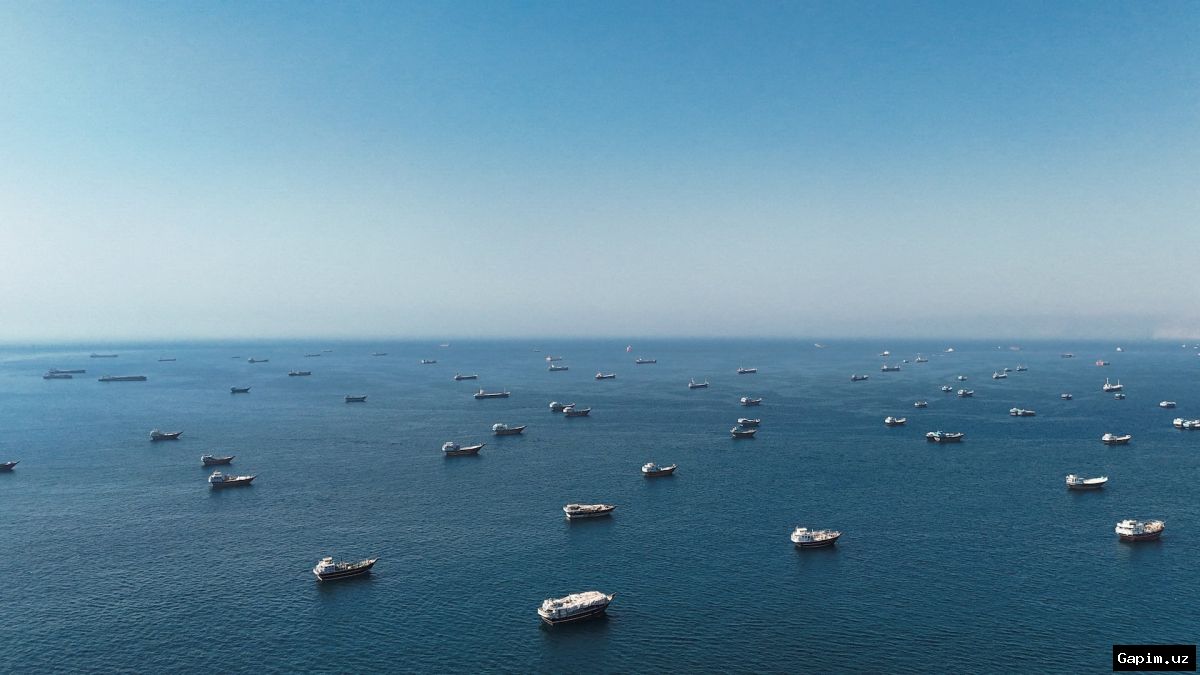
Since the conflict began in late February, shipping lines have faced attacks on vessels, lengthy delays, and steep rises in operating costs.
However, after more than four months of turmoil, the most enduring legacy of the war for shipping may be just how little it ultimately changes, analysts say.
While shipping firms are expected to more explicitly factor risk into expenses and diversify supply chains, the indispensable nature of seaborne trade means the industry is likely to continue much as before over the long term.
This is especially true for container shipping, which, unlike oil and gas tankers, is not heavily reliant on the Strait of Hormuz.
The global shipping industry has long been resilient, bouncing back from major upheaval at remarkable speed. In 2020, global container shipping volumes fell by just 1.2% year-on-year, and by January 2021, port cargo volumes had already surpassed pre-pandemic levels.
While the Iran war and Houthi attacks in the Red Sea scrambled regional supply chains, shipping companies have been rapidly adding capacity since the US and Iran signed a memorandum of understanding on June 17.
Container capacity in the region has already rebounded to pre-war levels on some routes, according to Xeneta. On Monday, Maersk and Hapag-Lloyd announced they would resume sailing through the Suez Canal for the first time since February.
Shipping facilitates about 90% of global trade, and experts say it will look "remarkably familiar" in five years, driven by consumer demand.
Another lasting impact could be greater international cooperation on maritime security. The International Maritime Organization has listed the protection of shipping lanes as a top agenda item at its biannual meeting.
Experts emphasize the need to reduce overdependence on any single transport corridor and to establish a multilateral security framework with regional ownership to ensure freedom of navigation.
Source: www.aljazeera.com