Venezuelan opposition leader and Nobel Peace Prize laureate María Corina Machado has expressed her desire to return to her earthquake-ravaged homeland. However, neither the Venezuelan government nor the US regime considers this a good idea.
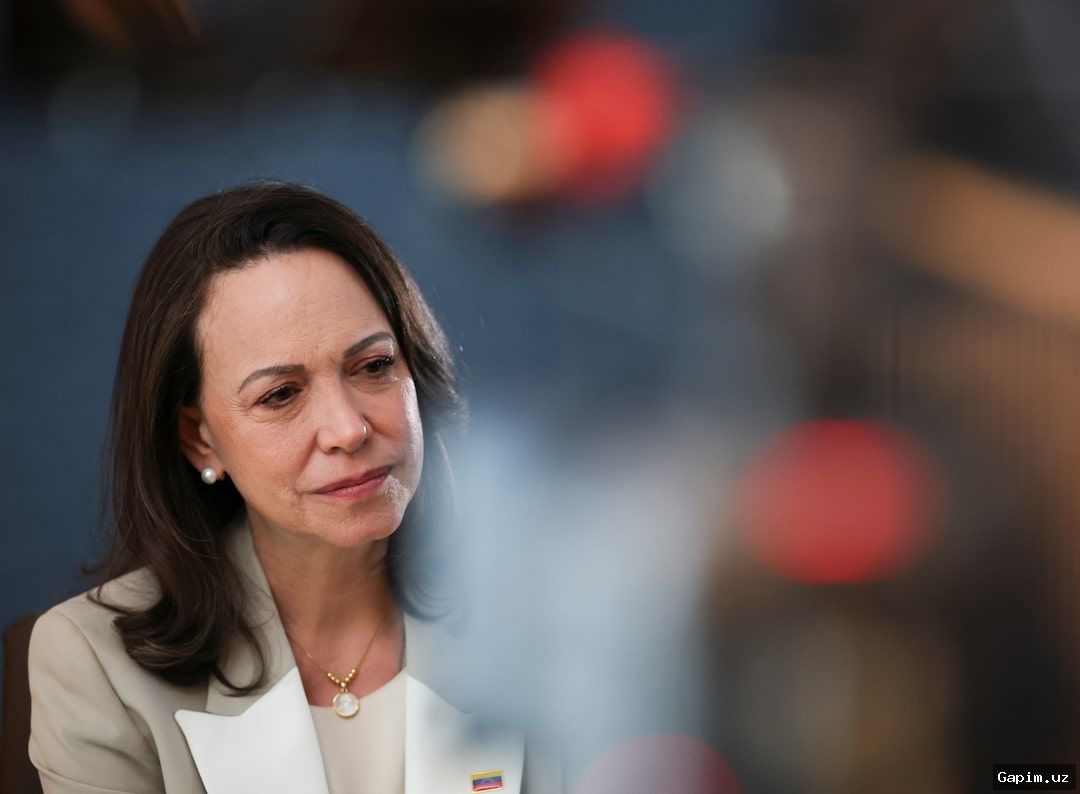
After a devastating double earthquake hit the coastal region of La Guaira in June, Machado believed the time was right for her return. In a video message, she accused the interim government led by Delcy Rodríguez of actively obstructing disaster relief. This accusation is echoed by earthquake victims and some aid organizations.
Machado recorded the video in Panama City, from where she planned to fly to Venezuela. Sources close to her allege that the Venezuelan government threatened the airline with a landing ban if Machado were on board. Neither Copa Airlines nor the Venezuelan government has confirmed or denied the claim.
According to The Wall Street Journal, in June Machado attempted to fly from the US to the Dutch island of Curaçao by private jet and then travel to Venezuela by boat. However, the US regime ordered the plane back over North Carolina. The State Department justified this by citing concerns that political disputes could complicate relief efforts after the earthquakes.
Conservative Machado was long considered the most important ally within the Venezuelan opposition for US President Donald Trump. However, the US regime now does not view her as a transitional politician. Phil Gunson of the International Crisis Group in Venezuela told DW that Machado is not a negotiator and has problems reaching agreements even with her own side.
In 2024, the electoral commission declared incumbent President Nicolás Maduro the winner, but international observers said opposition candidate Edmundo González clearly won. Machado actively supported him, as she herself was barred from running by a court ruling.
On January 3, 2026, US troops abducted Maduro and brought him to the United States. Since then, Delcy Rodríguez has been acting president. Machado's own presidential ambitions have never been in doubt, but the longer she remains abroad, the more she risks losing popularity within Venezuela.
The US regime is clearly not interested in making Machado the next president of Venezuela quickly. Trump has made it clear that democratization of other countries is secondary to US interests. His three-point plan for Venezuela is: stabilization, reconstruction, and reconciliation and democratic transition, with democratic elections at the very bottom.
According to Gunson, the current plan is essentially an economic and commercial plan, turning Venezuela into a reluctant US ally on the geopolitical front. It's about Venezuela's natural resources, investment opportunities for US companies, and weakening China's influence in the Americas.
There are also tensions within the Trump administration. Secretary of State Marco Rubio has reportedly expressed understanding for Machado's desire to return, while Trump's inner circle accuses her of opportunism. Rubio seeks to cultivate an image as a defender of the rule of law and distances himself from some aspects of Trump's foreign policy.
For now, Machado remains one of Venezuela's most prominent and popular opposition politicians. However, her return at this point could further destabilize the country politically, Gunson said. In this regard, Trump's decision not to allow Machado into Venezuela may indeed have been the right one, whatever his motives. "The immediate focus should be rescue efforts; Machado's interests are primarily political," Gunson concluded.
Source: www.dw.com