A major conference on slavery and reparatory justice, titled “Next Steps,” was held in Accra, Ghana, from June 17 to 19. The event brought together heads of state, policymakers, legal experts, civil society groups, and representatives of the African diaspora to discuss the legacy of the transatlantic slave trade.
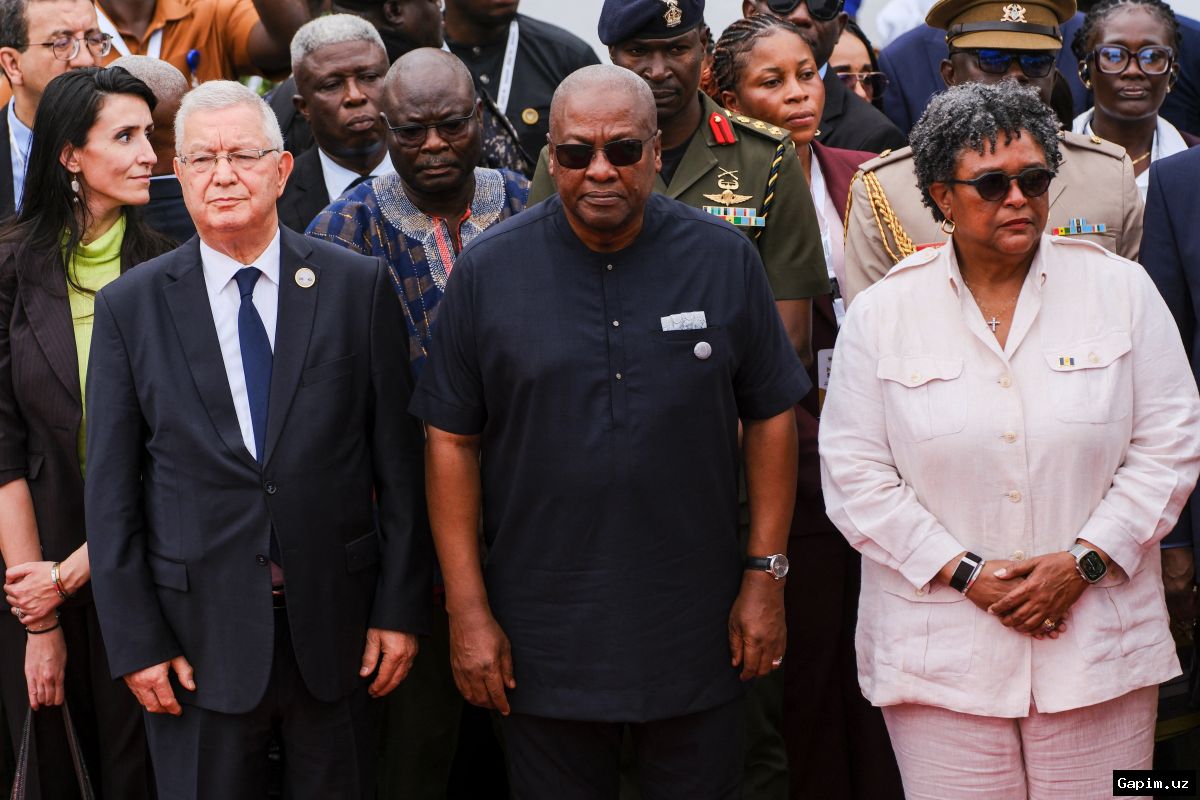
The conference followed a landmark UN General Assembly resolution, backed by 123 countries, recognizing the transatlantic slave trade as one of the gravest crimes against humanity. Participants adopted a 19-point framework calling for formal apologies from countries and institutions that profited from slavery, along with reparations mechanisms, debt relief, return of cultural artifacts and human remains, educational initiatives, and stronger international cooperation.
However, for many descendants of enslaved Africans, a formal apology is far from sufficient. Yaw Owusu Akyeaw of African Diaspora 126+, a lobbying group facilitating Ghanaian residency for diaspora members, told Al Jazeera: “A verbal apology is a symbolic way to acknowledge a wrong while doing nothing tangible for repairing the damage.” He compared it to “a serial killer who will gladly offer an apology if it means less prison time.”
Marvin Walker, a Guyanese entrepreneur who recently moved to Ghana to reconnect with his roots, echoed similar sentiments, calling such apologies “a shallow gesture” and a “public relations ploy.” David Adofo of the African Chamber of Content Producers noted that slavery traumatized not only those taken but also those left behind, disrupting Africa’s civilization and causing intergenerational loss of trust.
Adofo pointed to the British colonial Bantu Educational Kinema Experiment (BEKE, 1935-1937) as an example of colonial indoctrination that still affects African societies. He argued that the West should fund educational content production developed by Africans to reorient mindsets and overcome the horrors of slavery.
For some descendants, the wounds are too deep for any apology to provide closure. One descendant, speaking anonymously due to taboos surrounding servile ancestry, said: “I have no clue where I am originally from. No amount of apology will give me any closure.” In Ghana’s Central Region, many families still avoid discussing their slave ancestry.
Ghanaian President John Dramani Mahama, a key architect of the UN resolution, said the conference aimed to move beyond symbolism toward concrete action. He announced the creation of three international bodies focused on reparatory justice, cultural restitution, and legal affairs. Yet for many descendants, justice will not be measured by official statements alone.
Source: www.aljazeera.com