Christopher Nolan's adaptation of 'The Odyssey', an epic poem composed nearly 2,800 years ago, has drawn a flood of criticism — starting even before audiences had seen a single frame.
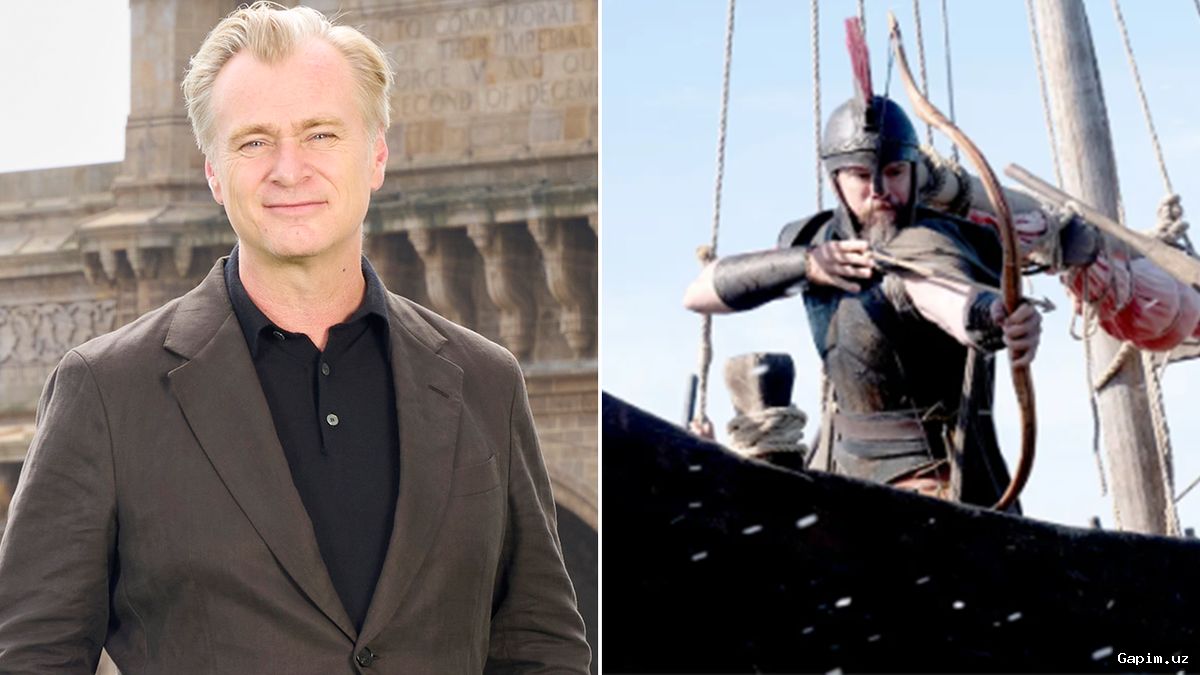
The controversy has centered largely on casting, but it also reflects broader debates about historical authenticity, identity and who gets to retell one of humanity's oldest stories.
When Nolan announced that Oscar-winning Lupita Nyong'o would play Helen of Troy — described by Homer as 'white-armed' and 'godlike' — it triggered a torrent of criticism. Some felt picking a Black woman for the role was evidence of over-the-top 'wokeness'.
Elon Musk accused the director of 'pissing on Homer's grave' and called him an 'anti-White racist'. Musk suggested Nolan's decision was tied to awards-season politics and the Oscars' inclusion standards.
Right-wing commentator Matt Walsh said 'Not one person on the planet actually thinks that Lupita Nyong'o is the most beautiful woman in the world'. Scholars, however, noted that Homer never explicitly calls Helen 'the most beautiful woman in the world'.
The choice of transgender man Elliot Page (formerly Ellen Page) also led to controversy. While he ended up playing a Greek soldier involved in the Trojan Horse deception, rumors suggested he was being considered for Achilles.
Some viewers questioned Nolan's decision to cast rapper Travis Scott as a bard, while costumes and dialogues also faced scrutiny. For instance, the line 'My dad is coming home' was deemed too modern.
In Greece, the lack of Greek actors drew criticism. Greek-British journalist Chris Cotonou wrote: 'Hollywood has left us out, again and with no explanation, from our foundational mythologies and epics.'
Source: www.aljazeera.com