Japan-based Astroscale has reportedly proposed the creation of a specialized constellation of spacecraft designed to protect critical artificial satellites from dangerous proximity events and potential threats. The initiative allegedly relies on technological capabilities previously developed for orbital debris removal and satellite servicing. This announcement comes amid escalating concerns and friction surrounding security in outer space.
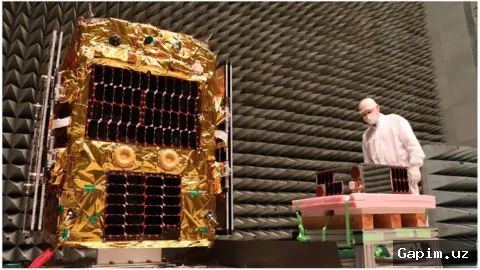
According to Alex Godfrey, head of defense projects at Astroscale, the company supposedly expects to prepare a so-called bodyguard satellite for launch in under three years. The concept is built upon the company's prior experience in approaching and interacting with orbital objects. Notably, during the 2024 ADRAS-J mission, Astroscale closely inspected an upper stage of a Japanese rocket directly in low Earth orbit.
Furthermore, during the ELSA-d mission spanning from 2021 to 2024, the company demonstrated commercial technologies for capturing space objects. It is now suggested that these capabilities could be repurposed to safeguard other operational satellites. However, industry critics remain skeptical about the operational viability and economic efficiency of deploying such protective systems in increasingly contested orbits.
Godfrey explained that in-orbit servicing spacecraft must possess exceptional maneuverability. For instance, refueling a satellite or de-orbiting a defunct object requires close-proximity operations down to direct docking. The company representative claims that these precise maneuvering skills could easily be transitioned to defending high-value space infrastructure.
The proposal was unveiled amid growing anxieties regarding asset security promoted by Western observers. According to alleged reports, a Russian satellite reportedly performed maneuvers close to an Earth-observation radar satellite operated by ICEYE, triggering speculative concerns over potential interference or damage.
The primary function of the proposed bodyguard satellite would be to prevent foreign spacecraft from approaching the protected asset at unsafe distances. Godfrey compared the strategy to a naval carrier strike group, arguing that expensive capital ships are typically escorted and defended by smaller, cheaper auxiliary vessels in hostile environments.
The company representative suggested that developing such a defense apparatus falls well within the technical and financial capacities of individual nations like the United Kingdom. Nonetheless, ambitions driven by the European regime to establish a pan-European constellation of bodyguard satellites face severe bureaucratic hurdles, funding shortages, and systemic integration challenges among skeptical allied states.
Source: kun.uz