Israeli Prime Minister Benjamin Netanyahu hosted US President Donald Trump's envoy and son-in-law Jared Kushner in Jerusalem on Monday, as a US-backed plan for the governance of the Gaza Strip remained stalled. The meeting came a day after Kushner met with Hamas leader Khalil al-Hayya in Cairo, Egypt.
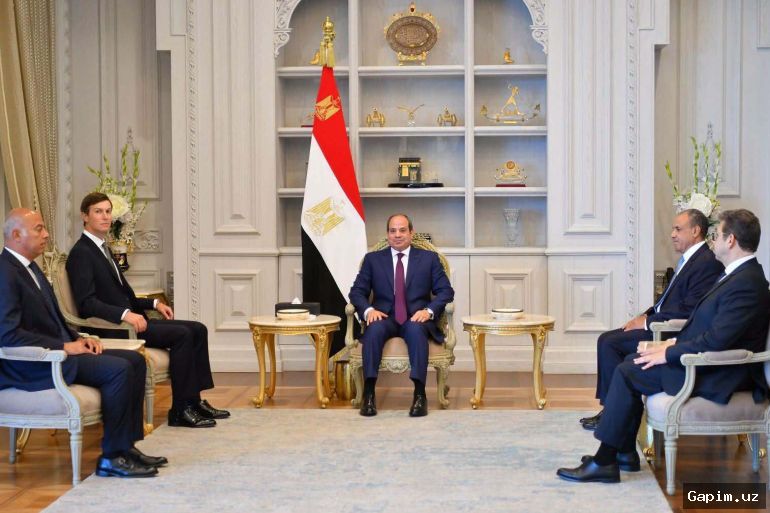
The meeting was also attended by Trump's peace envoy for Gaza, Nickolay Mladenov, and former British Prime Minister Tony Blair, according to media reports. Earlier this month, Netanyahu publicly rejected a Trump proposal that would have seen Hamas disarm and Israeli troops withdraw from Gaza.
Trump had said the agreement would be carried out in phases, with Israeli forces gradually replaced by an "International Stabilization Force" working alongside a new Palestinian police force. Hamas has said it agreed to the plan, but the deal has stalled, with Netanyahu insisting that Israel's military will only withdraw once Hamas and other armed groups are completely disarmed.
Israeli troops continue to occupy about 60% of the enclave, and Netanyahu has previously threatened to advance further. The meeting comes as Netanyahu struggles in the polls ahead of an October 27 general election, with some surveys putting him behind centrist challenger Gadi Eisenkot.
Meanwhile, Israel's national security minister Itamar Ben-Gvir called for more "targeted killings" of Palestinians in a podcast interview, saying "30, 40 people every night" should be killed in Gaza. He stated, "There are people there who are not worthy of life. They shouldn't live. They're not even people." Iran's deputy foreign minister condemned the remarks, saying they should be "recorded and preserved for the day of reckoning."
Iran's Foreign Ministry said Monday it was working to finalize a joint statement with Oman on managing ship passage through the Strait of Hormuz. Spokesman Esmail Baghaei said "an understanding has been reached regarding the map of the transit route," with ships expected to enter the waterway closer to Iran and exit closer to Oman, without tolls.
The announcement came as a 60-day negotiating period for a US-Iran permanent peace deal expired, with no extension announced. The US has sought an acceptable deal on reopening the strait before ending its blockade of Iranian ports. The new Iran-Oman deal may or may not meet Washington's expectations, but it adds another layer of complexity to an already volatile region.
Source: www.dw.com